
 EN
EN
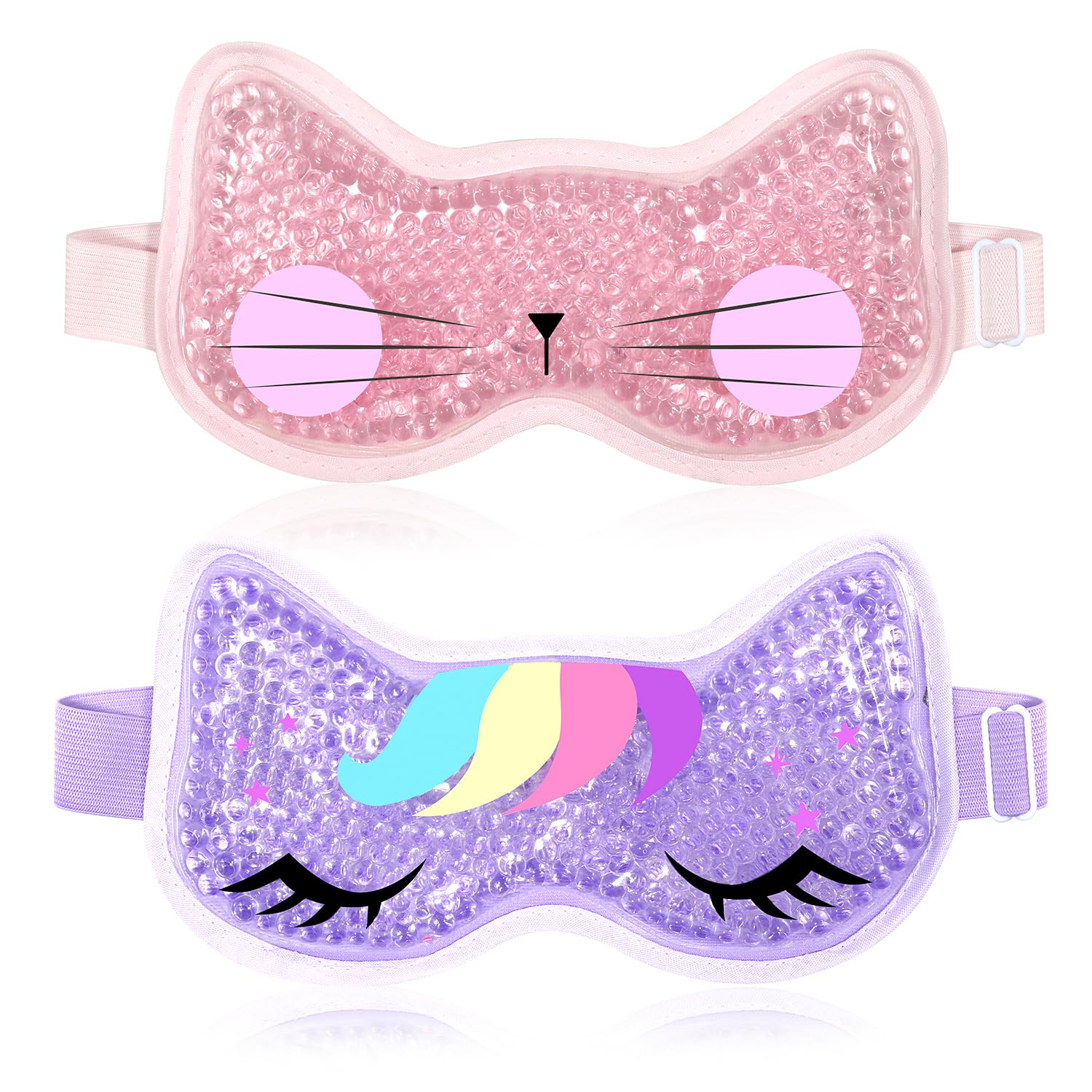
When injuries occur, the immediate response can significantly impact healing time and pain management. An ice pack serves as a critical first aid tool that provides therapeutic cold therapy to injured tissues, helping control inflammation and reducing pain within the crucial first hours after trauma. Understanding why cold therapy works and how to apply it properly can make the difference between a quick recovery and prolonged discomfort.
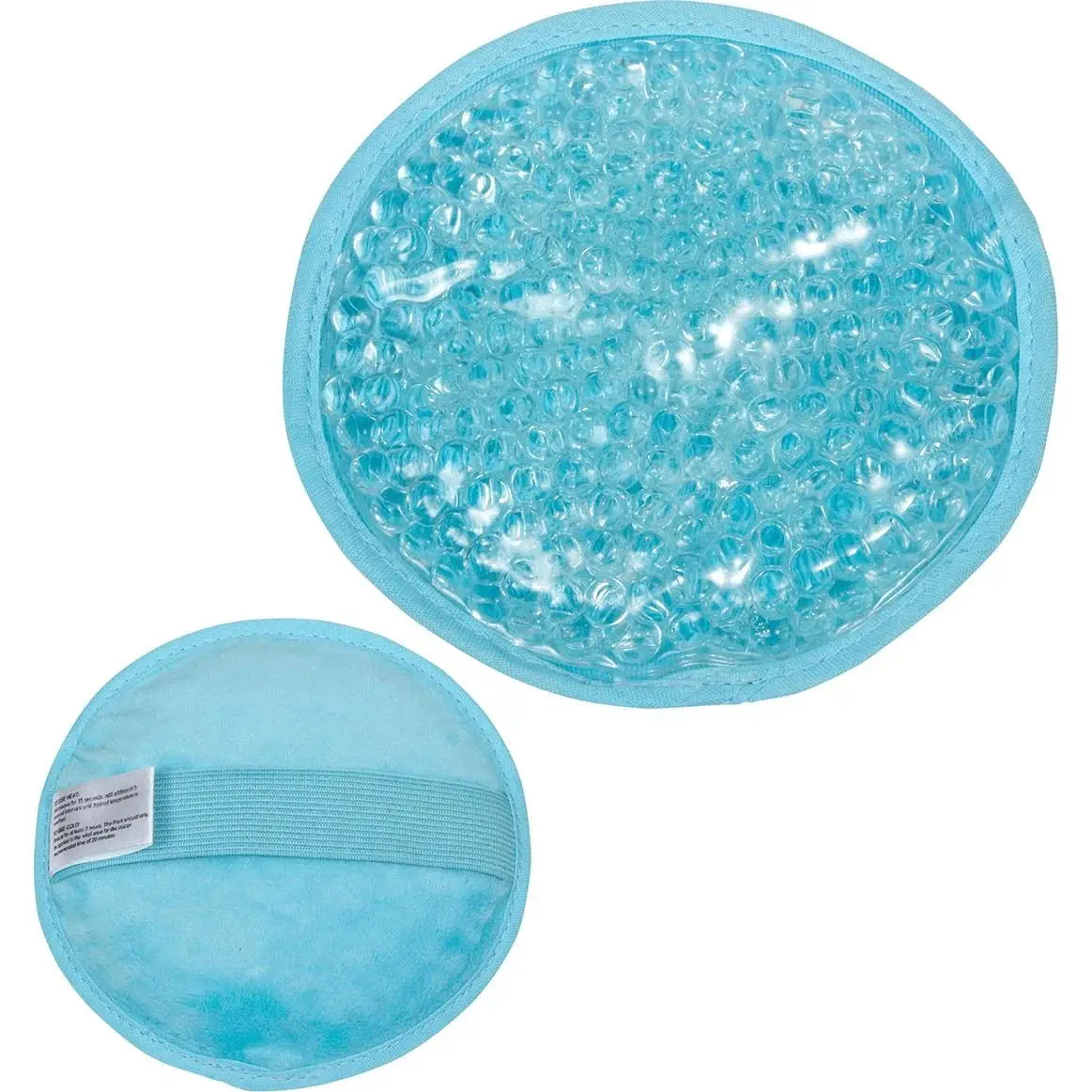
The physiological mechanisms behind ice pack therapy involve vasoconstriction, nerve signal interruption, and metabolic rate reduction in affected tissues. These processes work together to create an optimal healing environment while providing immediate relief from pain and preventing excessive swelling that can complicate recovery. Healthcare professionals consistently recommend cold therapy as a cornerstone of acute injury management for both minor household accidents and sports-related trauma.
The Science Behind Cold Therapy and Injury Response
How Ice Pack Application Affects Blood Vessels
When an ice pack is applied to injured tissue, the cold temperature triggers immediate vasoconstriction, causing blood vessels to narrow and reducing blood flow to the affected area. This physiological response serves multiple therapeutic purposes by limiting the amount of fluid that can leak into surrounding tissues and preventing excessive swelling. The controlled reduction in blood flow also helps minimize the delivery of inflammatory mediators to the injury site, which can otherwise contribute to prolonged inflammation and tissue damage.
The vasoconstriction effect begins within minutes of ice pack application and reaches peak effectiveness when maintained at therapeutic temperatures between 50-59 degrees Fahrenheit. This temperature range provides optimal vasoconstriction without risking tissue damage from excessive cold exposure. Medical research demonstrates that consistent cold therapy application can reduce local blood flow by up to 85%, making it one of the most effective non-pharmacological interventions for acute injury management.
Metabolic Rate Reduction and Cellular Protection
Cold therapy from an ice pack significantly reduces cellular metabolic rate in injured tissues, which serves as a protective mechanism against secondary tissue damage. When cells experience trauma, their oxygen demand increases while their supply may be compromised due to damaged blood vessels. By lowering the metabolic rate, ice pack application helps balance this supply-demand equation, preventing additional cell death and preserving tissue viability during the critical initial hours after injury.
This metabolic slowdown also reduces the production of harmful metabolic waste products that can accumulate in injured tissue and contribute to ongoing inflammation. The ice pack creates a controlled hypothermic environment that allows injured cells to enter a protective state, reducing their energy requirements and improving their chances of survival and recovery. This mechanism is particularly important for soft tissue injuries where cellular preservation directly impacts long-term healing outcomes.
Pain Management and Nerve Signal Interruption
Gate Control Theory and Pain Relief
The application of an ice pack activates the gate control theory of pain management, where cold stimulation competes with pain signals for transmission to the brain through the spinal cord. Cold receptors in the skin are activated by the ice pack and send signals that can override or diminish pain messages from injured tissue. This neurological mechanism provides immediate pain relief without requiring medication, making it an ideal first-line intervention for acute injury management.
The effectiveness of ice pack pain relief typically peaks within 10-15 minutes of application and can provide significant comfort for 30-45 minutes after removal. This duration allows injured individuals to move more comfortably and begin other aspects of injury care without being overwhelmed by pain. The temporary numbing effect also enables healthcare providers or trained individuals to better assess the extent of injury and determine if additional medical attention is needed.
Reducing Nerve Conduction Velocity
Cold therapy from an ice pack directly affects nerve conduction velocity, slowing the transmission of pain signals from the injury site to the brain. As tissue temperature decreases, nerve fibers conduct impulses more slowly, resulting in diminished pain perception and increased comfort for the injured person. This physiological effect is particularly pronounced in superficial nerves close to the skin surface, where ice pack application has the most direct impact.
The reduction in nerve conduction velocity also affects motor nerves, which can help reduce muscle spasm and involuntary contractions that often accompany acute injuries. By calming overactive nerve responses, ice pack therapy creates a more stable environment for healing while preventing secondary complications such as muscle guarding or compensatory movement patterns that can lead to additional injury.
Swelling Prevention and Inflammation Control
Limiting Inflammatory Cascade Activation
Immediate ice pack application after injury plays a crucial role in limiting the inflammatory cascade, a complex biological process that begins within minutes of tissue trauma. The cold temperature helps regulate the release of inflammatory mediators such as histamine, prostaglandins, and cytokines that contribute to swelling, pain, and tissue damage. By controlling this initial inflammatory response, an ice pack can significantly reduce the severity and duration of swelling associated with acute injuries.
The inflammatory cascade, while a natural healing response, can become excessive and counterproductive if left unchecked. Ice pack therapy provides external control over this process, allowing beneficial healing mechanisms to continue while preventing destructive inflammation that can impair tissue function and prolong recovery time. This controlled approach to inflammation management is essential for optimal healing outcomes and faster return to normal activity levels.
Preventing Secondary Tissue Damage
Swelling creates secondary tissue damage by increasing pressure within tissue compartments and reducing oxygen delivery to healthy cells surrounding the injury site. An ice pack helps prevent this cascade of secondary damage by limiting fluid accumulation and maintaining better tissue perfusion in uninjured areas. This protective effect extends the benefits of cold therapy beyond the immediate injury site, preserving tissue health in adjacent areas that might otherwise be compromised by excessive swelling.
The pressure relief provided by ice pack application also helps maintain normal tissue architecture and prevents the formation of adhesions or scar tissue that can develop when tissues are compressed by excessive swelling. This aspect of ice pack therapy is particularly important for joint injuries and areas with limited space for swelling accommodation, where even modest increases in tissue volume can significantly impact function and mobility.
Optimal Ice Pack Application Techniques
Timing and Duration Guidelines
The effectiveness of ice pack therapy depends heavily on proper timing and duration of application. The most critical period for ice pack use is within the first 24-48 hours after injury, when inflammatory processes are most active and responsive to cold intervention. During this acute phase, ice pack application should follow the general guideline of 15-20 minutes of treatment followed by 45-60 minutes of rest to prevent tissue damage while maximizing therapeutic benefits.
Continuous ice pack application beyond recommended durations can lead to tissue damage, including frostbite or nerve injury, making proper timing essential for safe and effective treatment. The rest periods between applications allow tissues to rewarm gradually and maintain healthy blood flow while still benefiting from the cumulative effects of repeated cold therapy sessions. This cyclical approach optimizes the balance between therapeutic benefit and tissue safety.
Proper Positioning and Protection Methods
Effective ice pack application requires attention to positioning and skin protection to ensure optimal therapeutic contact while preventing cold-related injuries. A thin barrier, such as a cloth towel or the ice pack's fabric covering, should always be maintained between the ice pack and skin to prevent direct contact that could cause frostbite or skin damage. The ice pack should be positioned to cover the entire injured area while maintaining comfortable, secure contact throughout the treatment period.
The injured area should be elevated when possible during ice pack treatment to enhance the anti-swelling effects through gravitational assistance. This positioning strategy works synergistically with the ice pack's physiological effects to maximize fluid drainage away from the injury site and reduce the accumulation of inflammatory products. Proper positioning also ensures that the cold therapy reaches the deepest injured tissues while maintaining patient comfort and compliance with treatment protocols.
Long-term Benefits and Recovery Enhancement
Accelerated Healing Timeline
Proper ice pack use during the acute injury phase can significantly accelerate overall healing timelines by preventing complications that often extend recovery periods. By controlling initial swelling and inflammation, ice pack therapy helps maintain tissue architecture and function, allowing the body's natural healing processes to work more efficiently. Studies have shown that appropriate cold therapy application can reduce healing time by 25-40% compared to injuries treated without systematic ice pack intervention.
The controlled inflammation achieved through ice pack therapy also promotes more organized tissue repair, leading to stronger and more functional healing outcomes. When excessive swelling is prevented, the body can focus its healing resources on actual tissue repair rather than managing inflammatory complications. This efficiency in the healing process translates to faster return to normal activities and reduced risk of chronic problems or re-injury.
Prevention of Chronic Complications
Immediate and appropriate ice pack application can prevent many chronic complications that arise from poorly managed acute injuries. Excessive initial swelling can lead to joint stiffness, muscle weakness, and altered movement patterns that persist long after the original injury has healed. By controlling these acute responses with systematic ice pack therapy, individuals can avoid developing compensatory problems that often require extensive rehabilitation to resolve.
The prevention of chronic complications through proper ice pack use is particularly important for athletes and physically active individuals who require full functional recovery to return to their desired activity levels. Early intervention with appropriate cold therapy helps maintain joint mobility, muscle function, and proprioceptive awareness, all of which are essential for preventing future injuries and maintaining long-term physical health. This preventive aspect of ice pack therapy makes it an investment in long-term wellness rather than just immediate symptom management.
FAQ
How long should I apply an ice pack for immediate injury treatment?
Apply an ice pack for 15-20 minutes at a time during the first 24-48 hours after injury, with 45-60 minute rest periods between applications. This timing prevents tissue damage while maximizing therapeutic benefits. Never apply ice directly to skin, and discontinue use if you experience numbness or skin color changes.
Can I use an ice pack on all types of injuries?
Ice packs are most effective for acute soft tissue injuries, sprains, strains, and blunt trauma injuries. They should not be used on open wounds, areas with poor circulation, or if you have certain medical conditions like diabetes or peripheral vascular disease. Consult healthcare providers for guidance on specific injury types or if you have underlying health conditions.
What's the difference between using an ice pack versus other cold therapy methods?
Ice packs provide consistent, controlled temperature and are safer than direct ice application or frozen vegetables. They maintain therapeutic temperatures longer, conform better to injury sites, and often include protective barriers to prevent skin damage. Commercial ice packs designed for medical use offer optimal temperature control and safety features compared to improvised cold therapy methods.
When should I stop using ice pack therapy and seek medical attention?
Seek immediate medical attention if swelling continues to increase despite ice pack treatment, if you experience severe pain that worsens with cold therapy, or if you notice signs of infection or circulation problems. Also consult healthcare providers if the injury doesn't show improvement within 48-72 hours of proper ice pack treatment, or if you're unable to bear weight or use the injured area normally.