
 EN
EN
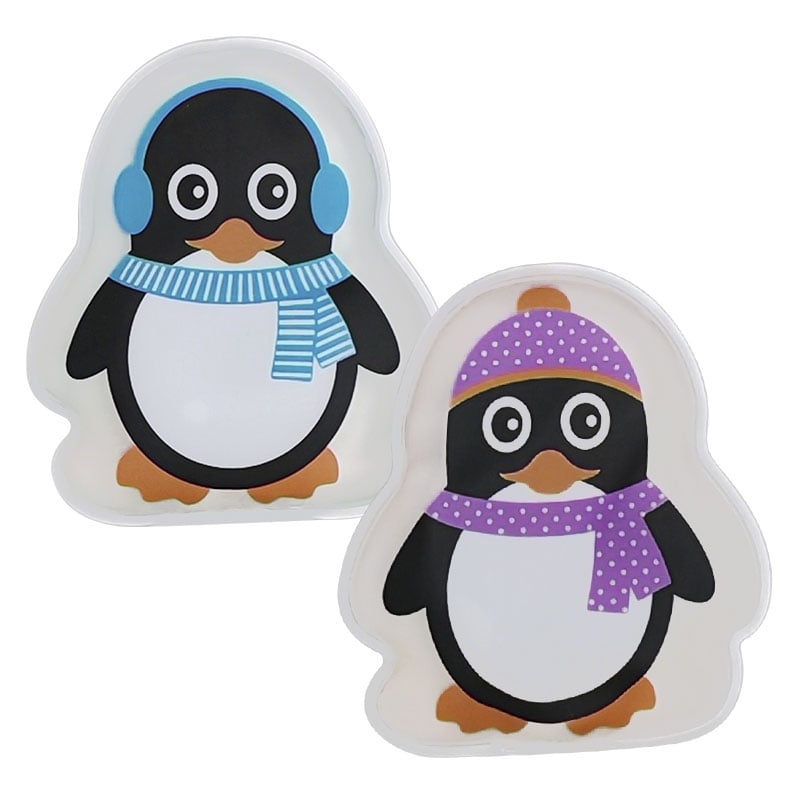
Selecting the appropriate size and shape for your hot cold pack is a critical decision that directly impacts therapeutic effectiveness, user comfort, and practical application. The dimensions and configuration of your hot cold pack determine how well it conforms to different body areas, how long it retains temperature, and how versatile it becomes across various treatment scenarios. Understanding the relationship between size, shape, and intended use ensures you invest in a hot cold pack that delivers optimal therapeutic value while meeting your specific needs.
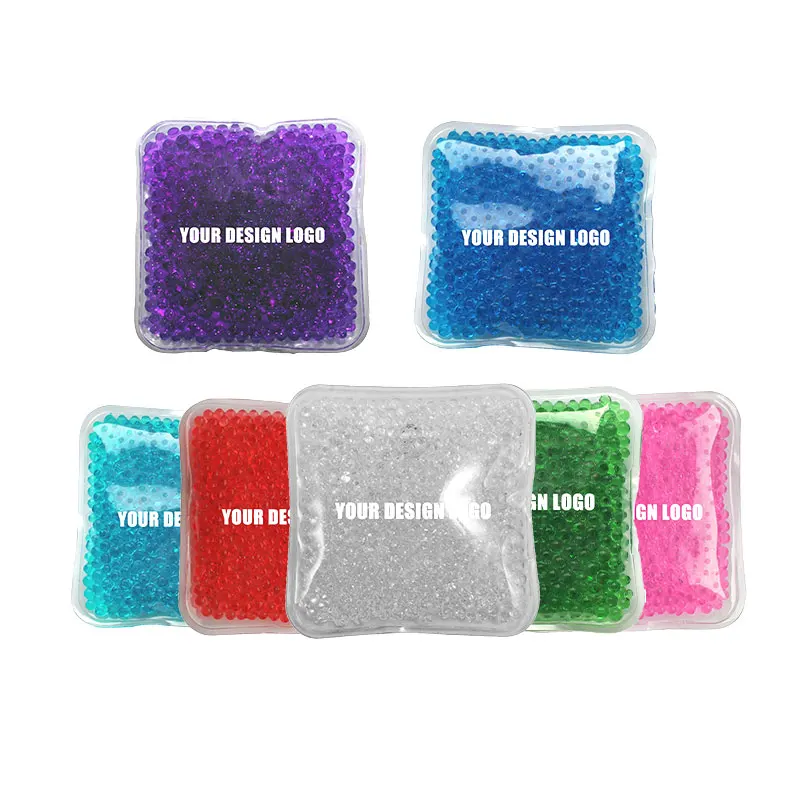
The market offers hot cold pack options in numerous sizes and configurations, from compact travel-friendly units to large wraps designed for extensive coverage. Each design serves distinct therapeutic purposes and user requirements. The key lies in matching the hot cold pack characteristics to your intended application, whether for acute injury management, chronic pain relief, post-workout recovery, or general wellness maintenance. Making an informed choice requires evaluating factors such as treatment area coverage, portability needs, storage convenience, and frequency of use.
Understanding Size Considerations for Hot Cold Pack Selection
Small Format Hot Cold Pack Applications
Small hot cold pack units, typically measuring 4x6 inches or smaller, excel in targeted treatment applications where precision matters more than coverage area. These compact designs work exceptionally well for facial treatments, minor joint injuries, and localized pain points such as temples, wrists, or ankles. The reduced thermal mass in smaller hot cold pack units means faster temperature transition times, allowing for quicker preparation when immediate relief is needed.
The portability advantage of small hot cold pack options cannot be understated for active individuals and frequent travelers. These units fit easily into gym bags, purses, or desk drawers, ensuring therapeutic relief remains accessible regardless of location. However, the limited coverage area means multiple applications may be necessary for larger injury sites, and temperature retention periods are generally shorter compared to larger alternatives.
Small format hot cold pack designs also prove valuable in clinical settings where practitioners need precise temperature application tools. Physical therapists and sports medicine professionals often prefer these compact units for targeted interventions during treatment sessions, where controlled application and easy maneuverability enhance therapeutic precision.
Medium Size Hot Cold Pack Benefits
Medium-sized hot cold pack options, generally ranging from 6x10 inches to 8x12 inches, represent the sweet spot for many users seeking balanced coverage and convenience. These dimensions provide sufficient surface area to address common injury sites such as shoulders, knees, lower back sections, and larger muscle groups while maintaining reasonable portability and storage requirements.
The thermal capacity of medium hot cold pack units offers extended temperature retention compared to smaller alternatives, typically maintaining therapeutic temperatures for 20-30 minutes of continuous use. This extended duration reduces the need for frequent reheating or refreezing during treatment sessions, improving user experience and treatment consistency.
Medium hot cold pack designs often incorporate flexible materials that conform better to body contours while providing adequate coverage. This conformability ensures consistent contact with treatment areas, maximizing heat or cold transfer efficiency and improving overall therapeutic outcomes. The size also allows for versatile positioning options, enabling users to target multiple adjacent areas simultaneously.
Large Hot Cold Pack Advantages
Large hot cold pack units, measuring 10x15 inches or larger, deliver comprehensive coverage for extensive treatment areas and multiple injury sites. These oversized options excel in applications requiring broad temperature distribution, such as full back treatment, multiple joint therapy, or post-surgical recovery scenarios where large surface areas need simultaneous attention.
The substantial thermal mass in large hot cold pack designs provides extended temperature retention, often maintaining therapeutic levels for 45 minutes or longer. This prolonged effectiveness reduces interruption frequency during treatment sessions and allows for deeper tissue penetration over extended periods, particularly beneficial for chronic pain management and deep muscle recovery applications.
Large format hot cold pack units often feature segmented or quilted designs that maintain flexibility despite their size. These construction methods prevent gel migration and ensure even temperature distribution across the entire surface area, eliminating hot or cold spots that could compromise treatment effectiveness or user comfort during extended applications.
Shape Selection Criteria for Optimal Hot Cold Pack Performance
Rectangular Hot Cold Pack Configurations
Rectangular hot cold pack designs represent the most versatile and widely adopted shape configuration in the therapeutic cooling and heating market. The straight edges and uniform dimensions of rectangular units maximize coverage efficiency for flat body surfaces such as backs, thighs, and abdominal areas. This geometric simplicity also optimizes storage space utilization and manufacturing cost-effectiveness.
The rectangular hot cold pack format accommodates various wrapping and positioning techniques, allowing users to fold, roll, or layer the pack according to specific treatment requirements. This adaptability makes rectangular designs particularly valuable for households and clinical facilities serving diverse therapeutic needs, as a single hot cold pack can address multiple application scenarios effectively.
Rectangular configurations also facilitate even temperature distribution due to their uniform gel distribution pattern. The consistent thickness and material density across the entire surface area ensure predictable thermal behavior, making treatment planning more reliable and outcomes more consistent across different usage sessions.
Contoured and Anatomical Hot Cold Pack Shapes
Contoured hot cold pack designs follow anatomical curves and body geometry to provide superior conformity and contact consistency. These specialized shapes target specific body regions such as necks, shoulders, knees, and backs with precision-engineered curvatures that match natural body contours. The enhanced contact area improves thermal transfer efficiency and user comfort during extended treatment periods.
Anatomically shaped hot cold pack units often incorporate strategic thickness variations and material density adjustments to accommodate different pressure points and sensitivity levels across treatment areas. These design refinements ensure optimal therapeutic contact while minimizing discomfort from pressure concentration or inadequate support during application.
The specialized nature of contoured hot cold pack designs makes them particularly valuable for individuals with recurring issues in specific body areas. While less versatile than rectangular alternatives, these shaped units provide superior treatment quality and user satisfaction for their intended applications, justifying their place in comprehensive therapy equipment collections.
Wrap-Style Hot Cold Pack Innovations
Wrap-style hot cold pack designs incorporate flexible attachment systems and extended dimensions to create secure, hands-free treatment solutions. These innovative configurations often feature elastic bands, velcro closures, or compression elements that maintain consistent contact pressure while allowing normal movement during treatment sessions.
The wrap format transforms traditional hot cold pack application from a passive, stationary activity into an active therapy option that accommodates daily routines and mobility requirements. Users can continue light activities, work tasks, or relaxation practices while receiving consistent therapeutic temperature application, significantly improving treatment compliance and convenience.
Wrap-style hot cold pack units often incorporate multiple chambers or segmented gel sections that maintain flexibility and prevent gel migration during movement. These design features ensure consistent temperature distribution and prevent the formation of uncomfortable bunching or pressure points that could compromise treatment effectiveness or user comfort.
Matching Hot Cold Pack Specifications to Treatment Requirements
Injury Type and Size Correlation
Different injury types require specific hot cold pack size and shape combinations to achieve optimal therapeutic results. Acute injuries such as sprains, strains, and impact trauma typically benefit from immediate cold application using compact, precisely sized units that target the specific injury site without affecting surrounding healthy tissue. The focused approach minimizes secondary tissue damage while providing concentrated therapeutic cooling.
Chronic pain conditions and muscle tension issues often respond better to larger hot cold pack applications that address broader tissue areas and underlying contributing factors. The extended coverage helps break pain cycles, improve circulation patterns, and address compensatory muscle tension that develops around primary problem areas.
Overuse injuries and repetitive strain conditions frequently require versatile hot cold pack options that can accommodate both acute flare-up management and ongoing maintenance therapy. Medium-sized rectangular units often provide the flexibility needed to address these variable treatment requirements while maintaining practical storage and handling convenience.
Body Area Compatibility Assessment
Each body region presents unique requirements for hot cold pack size and shape selection based on anatomical characteristics, sensitivity levels, and accessibility constraints. Facial and head applications demand smaller, lighter units with gentle temperature gradients to accommodate sensitive skin and delicate underlying structures while providing effective therapeutic benefits.
Joint areas such as knees, elbows, and shoulders benefit from contoured hot cold pack designs that maintain consistent contact despite complex surface geometry and movement during application. The specialized shapes ensure therapeutic temperatures reach all relevant tissue areas while accommodating natural joint mobility and positioning requirements.
Large muscle groups including backs, thighs, and torso regions require substantial hot cold pack coverage to address the extensive tissue volumes involved in these treatment areas. The increased surface area ensures adequate temperature penetration and uniform therapeutic effect across the entire treatment zone, maximizing clinical outcomes and user satisfaction.
Usage Frequency and Convenience Factors
Daily hot cold pack users benefit from size and shape selections that prioritize convenience, durability, and versatility over specialized performance characteristics. Medium-sized rectangular units often provide the best balance of therapeutic capability and practical usability for regular home or office applications, supporting consistent treatment routines without excessive preparation or storage requirements.
Occasional or emergency hot cold pack applications may justify compact, portable options that remain readily accessible when needed but don't occupy significant storage space during non-use periods. These smaller units ensure therapeutic capability remains available for unexpected injury management while minimizing ongoing storage and maintenance commitments.
Professional or clinical hot cold pack applications often require diverse size and shape inventories to accommodate varying patient needs and treatment protocols. The investment in multiple unit types enables practitioners to optimize therapeutic outcomes for each individual case while maintaining efficient workflow and treatment flexibility.
Practical Selection Guidelines for Hot Cold Pack Investment
Budget and Value Optimization
Hot cold pack selection should balance initial investment costs with long-term value delivery and therapeutic effectiveness. Higher-quality units with superior materials and construction typically provide extended service life, better temperature retention, and improved user comfort, justifying premium pricing through reduced replacement frequency and enhanced treatment outcomes.
Multi-pack options often deliver better per-unit pricing while providing size and shape variety that accommodates different treatment scenarios within a single purchase. These combination packages enable users to match specific hot cold pack characteristics to particular applications while maintaining cost efficiency and storage organization.
The total cost of ownership for hot cold pack systems should include consideration of replacement cycles, maintenance requirements, and accessory needs such as covers or wraps. Premium units with longer service life and lower maintenance demands often provide superior long-term value despite higher initial investment requirements.
Storage and Maintenance Considerations
Available storage space significantly influences optimal hot cold pack size selection, particularly for users with limited refrigerator or freezer capacity. Compact and medium-sized units typically accommodate standard home storage constraints while providing adequate therapeutic capability for most treatment requirements.
Maintenance requirements vary considerably between different hot cold pack sizes and shapes, with larger and more complex designs generally demanding more careful handling and storage practices. Simple rectangular configurations typically offer the most straightforward maintenance routines while providing reliable long-term performance with minimal special care requirements.
Cleaning and hygiene considerations may favor certain hot cold pack shapes and sizes based on surface area accessibility and material characteristics. Smooth, simple geometries generally facilitate thorough cleaning and sanitization, particularly important for shared-use environments or clinical applications where infection control protocols must be maintained.
Future Needs and Scalability Planning
Hot cold pack selection should anticipate potential changes in treatment requirements, user demographics, and application scenarios over the expected service life of the units. Versatile sizes and shapes provide better long-term value by accommodating evolving needs without requiring complete system replacement or supplementation.
Family or multi-user environments benefit from hot cold pack selections that address diverse age groups, body sizes, and injury types within a single system. Medium-sized units with flexible application options often provide the best compromise between individual optimization and collective utility across varied user requirements.
Professional growth or changing activity levels may alter hot cold pack requirements over time, making modular or expandable systems more valuable than single-purpose specialized units. The ability to add complementary sizes and shapes to existing inventory provides cost-effective capability expansion without duplicating basic functionality or storage infrastructure.
FAQ
What size hot cold pack works best for back pain relief?
For back pain relief, large hot cold pack units measuring 10x15 inches or larger provide optimal coverage for most treatment scenarios. The substantial surface area ensures adequate temperature distribution across major muscle groups while the extended thermal mass delivers longer treatment sessions without frequent reheating or cooling. Medium-sized options around 8x12 inches can also work effectively for targeted lower back applications or when storage space is limited.
How do I determine the right shape for my specific injury type?
Match your hot cold pack shape to your injury location and treatment goals. Rectangular designs offer maximum versatility for flat surfaces like backs and thighs, while contoured shapes work better for joints and curved body areas like necks and shoulders. For acute injuries, smaller targeted shapes provide precision application, whereas chronic conditions often benefit from larger coverage areas that address surrounding tissue and compensatory tension patterns.
Can one hot cold pack size handle multiple family members effectively?
Medium-sized rectangular hot cold pack units typically provide the best compromise for multi-user households, offering sufficient coverage for adults while remaining manageable for younger family members. The 6x10 to 8x12 inch range accommodates most common injury types and body areas across different age groups, though families with specific recurring needs may benefit from supplementing with specialized sizes or shapes for optimal individual treatment outcomes.
What factors should influence hot cold pack size selection for athletes?
Athletes should prioritize hot cold pack size based on their sport's common injury patterns and recovery needs. Contact sports benefit from larger units for comprehensive muscle group treatment, while precision sports may require smaller targeted options for joint-specific applications. Consider both immediate injury management needs and routine recovery protocols, as athletes often require multiple sizes to address acute treatment and preventive maintenance applications effectively.