
 EN
EN
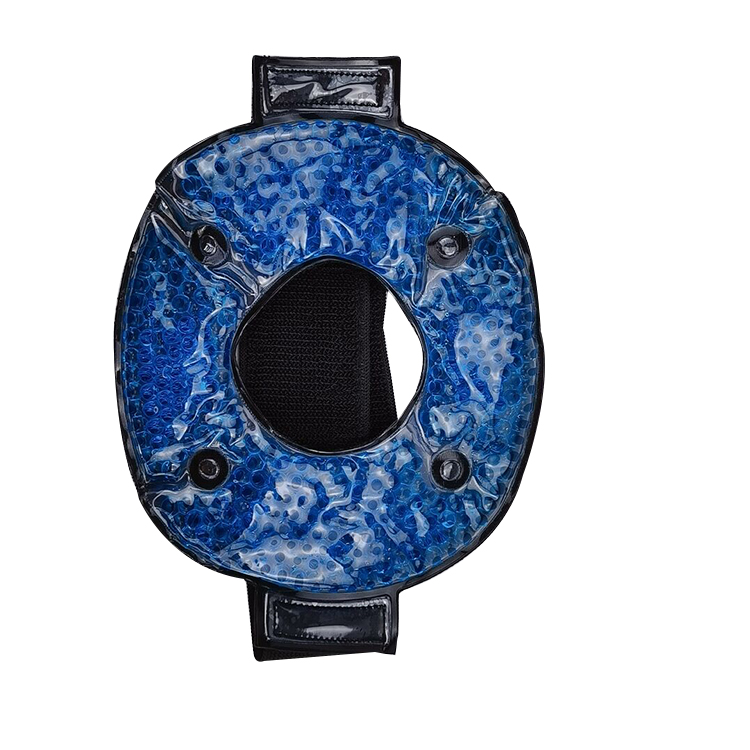
When everyday aches and pains disrupt your routine, you need a reliable solution that works quickly and effectively. A hot cold pack offers the versatility and convenience that makes it an ideal choice for managing common discomfort. Whether you're dealing with muscle tension from a long workday, minor sports injuries, or chronic pain conditions, understanding how this simple therapeutic tool can address your specific needs is crucial for making informed decisions about your pain management approach.
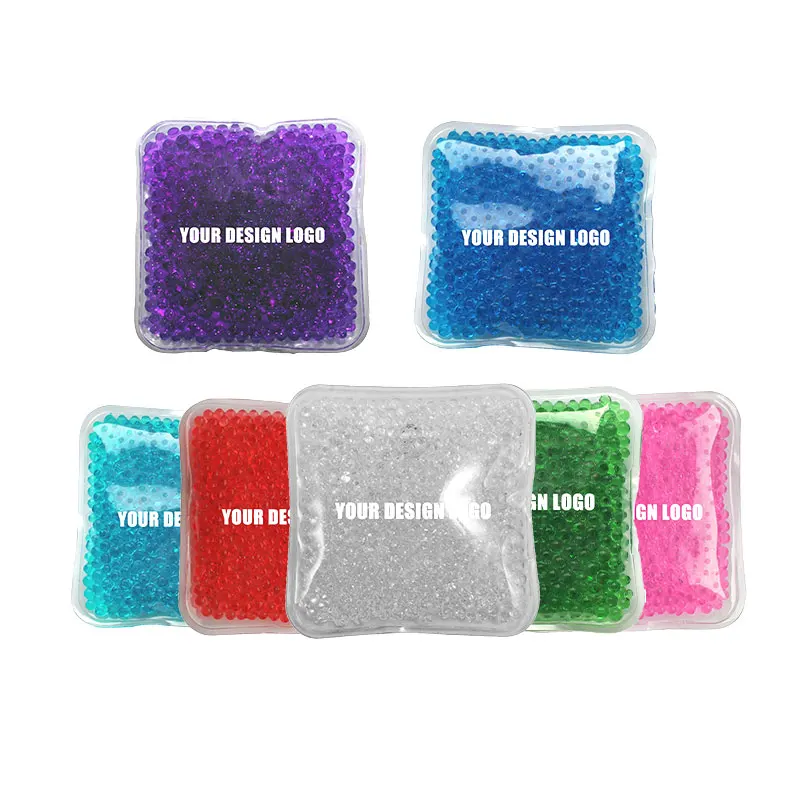
The answer to whether a hot cold pack can be your go-to solution depends on several factors including the type of pain you experience, the frequency of your discomfort, and your lifestyle requirements. Modern hot cold packs have evolved beyond simple ice packs or heating pads, offering dual-functionality that adapts to various pain management needs. This comprehensive evaluation will help you determine if investing in a quality hot cold pack aligns with your specific therapeutic requirements and daily pain management goals.
Understanding Hot Cold Pack Effectiveness for Common Pain Types
Acute Injury Response and Cold Therapy Benefits
When dealing with acute injuries such as sprains, strains, or minor trauma, a hot cold pack provides immediate cold therapy benefits that can significantly impact your recovery process. Cold application through your hot cold pack helps reduce inflammation by constricting blood vessels, which limits the flow of inflammatory substances to the injured area. This vasoconstriction effect is particularly valuable during the first 24 to 48 hours after an injury occurs.
The numbing effect of cold therapy from your hot cold pack also provides immediate pain relief by reducing nerve activity in the affected area. This temporary anesthesia allows you to function more comfortably while your body begins its natural healing process. Professional athletes and physical therapists widely recognize these benefits, making cold therapy a standard protocol for acute injury management in both professional and home settings.
For optimal results with acute injuries, your hot cold pack should maintain consistent cold temperatures for extended periods. Quality packs retain their cooling properties for 15 to 20 minutes per application, which aligns with recommended therapy durations. This sustained cooling capacity ensures you receive maximum therapeutic benefits without the inconvenience of frequent re-freezing or replacement during treatment sessions.
Chronic Pain Management and Heat Therapy Applications
Chronic pain conditions such as arthritis, muscle tension, and fibromyalgia often respond more favorably to heat therapy, making the warming capability of your hot cold pack essential for long-term pain management. Heat therapy promotes vasodilation, increasing blood flow to affected areas and delivering oxygen and nutrients that support tissue healing and reduce stiffness.
The penetrating warmth from a properly heated hot cold pack helps relax muscle fibers and reduce joint stiffness that commonly accompanies chronic conditions. This muscle relaxation effect is particularly beneficial for individuals who experience morning stiffness or tension-related headaches. The increased circulation also helps flush metabolic waste products from tissues, contributing to overall comfort and reduced pain perception.
Many users find that regular heat therapy sessions with their hot cold pack help maintain better mobility and reduce their reliance on oral pain medications. This natural pain management approach appeals to individuals seeking alternatives to pharmaceutical interventions, especially for ongoing conditions that require long-term management strategies.
Practical Applications and Daily Use Scenarios
Workplace Ergonomic Support and Stress Relief
Modern work environments often contribute to repetitive strain injuries, neck tension, and lower back discomfort that can benefit significantly from strategic hot cold pack application. Office workers who spend extended periods at computers frequently develop tension in their neck, shoulders, and upper back regions. A hot cold pack provides convenient relief that can be used during breaks or after work hours to address these accumulated tensions.
The portability and ease of use make hot cold pack therapy particularly suitable for workplace wellness programs. Unlike bulky heating pads or messy ice applications, a quality hot cold pack can be quickly activated and applied without disrupting your work environment. This convenience factor makes it more likely that you'll consistently use the therapy, leading to better long-term outcomes for managing work-related discomfort.
Heat therapy from your hot cold pack can also help combat the mental stress that often accompanies physical discomfort. The soothing warmth promotes relaxation and can help break the cycle of tension that builds throughout demanding workdays. This dual benefit of physical and mental relief makes hot cold pack therapy valuable for overall workplace wellness and productivity maintenance.
Athletic Recovery and Performance Enhancement
Athletes and fitness enthusiasts can leverage hot cold pack therapy as part of comprehensive recovery protocols that support performance optimization. The ability to switch between hot and cold therapy allows for contrast treatments that many sports medicine professionals recommend for enhanced recovery. Cold application immediately after intense exercise helps reduce exercise-induced inflammation and muscle soreness.
Pre-exercise warming with your hot cold pack can help prepare muscles for activity by increasing tissue temperature and improving flexibility. This preparation reduces injury risk and can enhance performance by ensuring muscles are optimally ready for exertion. Post-exercise cold therapy helps accelerate recovery by reducing metabolic demand and limiting secondary tissue damage from inflammation.
The convenience of having both therapeutic modalities in a single hot cold pack eliminates the need for multiple recovery tools, making it practical for travel to competitions or training facilities. This portability ensures consistent access to recovery protocols regardless of location, supporting better adherence to therapeutic routines that ultimately improve athletic performance and longevity.
Comparing Hot Cold Packs to Alternative Pain Relief Methods
Advantages Over Single-Purpose Thermal Therapies
Traditional ice packs and heating pads serve specific purposes but lack the versatility that makes a hot cold pack superior for comprehensive pain management. Single-purpose solutions require you to maintain separate inventory and make decisions about which therapy to use before you fully understand your pain type. A quality hot cold pack eliminates this guesswork by providing both options in one convenient package.
The dual functionality of a hot cold pack also proves more cost-effective over time compared to purchasing and maintaining separate heating and cooling devices. You avoid the ongoing costs of disposable ice packs or the electricity consumption of electric heating pads. This economic advantage becomes more significant when you consider the long-term nature of most pain management needs.
Storage and portability considerations also favor hot cold pack solutions over traditional alternatives. Instead of dedicating freezer space to ice packs and storage space to heating pads, a single hot cold pack meets both needs while occupying minimal space. This efficiency is particularly valuable for individuals with limited living space or those who travel frequently and need portable pain relief options.
Integration with Holistic Pain Management Approaches
A hot cold pack serves as an excellent complement to other pain management strategies including physical therapy, massage, and stress reduction techniques. The thermal therapy provided by your hot cold pack can enhance the effectiveness of stretching exercises by warming muscles before activity or reducing inflammation after therapeutic sessions. This synergistic effect maximizes the benefits of your overall pain management program.
When combined with mindfulness or relaxation practices, hot cold pack therapy can create a more comprehensive approach to pain relief that addresses both physical and psychological aspects of discomfort. The ritual of applying thermal therapy can serve as a mindfulness anchor, helping you focus on self-care and stress reduction while addressing physical symptoms.
Healthcare providers often recommend hot cold pack therapy as part of multimodal treatment plans because it empowers patients to take active roles in their pain management. This self-efficacy component can improve treatment outcomes by giving individuals practical tools they can use independently to manage their symptoms effectively.
Selection Criteria and Quality Considerations
Material Safety and Durability Factors
The effectiveness of your hot cold pack depends heavily on the quality of materials used in its construction. High-quality gel formulations maintain flexibility at low temperatures while retaining heat effectively when warmed. Poor-quality materials may become rigid when frozen or fail to maintain therapeutic temperatures for adequate treatment durations, limiting the therapeutic value of your investment.
Outer covering materials should provide adequate insulation to prevent skin damage while allowing efficient heat transfer. Medical-grade vinyl or fabric covers resist punctures and maintain integrity through repeated temperature cycles. The durability of these materials directly impacts the long-term reliability of your hot cold pack and its ability to serve as a dependable pain relief solution.
Safety features such as leak-proof seals and non-toxic gel formulations are essential considerations when evaluating hot cold pack options. Quality manufacturers provide clear information about materials and safety testing to ensure their products meet appropriate health standards. These safety assurances are particularly important for individuals who plan to use their hot cold pack frequently or for extended periods.
Size and Design Optimization for Target Applications
The physical dimensions and shape of your hot cold pack significantly influence its effectiveness for different body regions and pain types. Larger packs provide broader coverage suitable for back pain or large muscle groups, while smaller designs offer targeted relief for joints or specific trigger points. Consider your primary pain management needs when selecting the optimal size configuration.
Flexible designs that conform to body contours provide better contact and heat transfer compared to rigid alternatives. This conformability ensures consistent therapeutic temperatures across the treatment area and improves user comfort during therapy sessions. Some advanced hot cold pack designs include contouring features or segmented construction that enhances their ability to adapt to different body regions.
Ease of activation and temperature control features can significantly impact your consistent use of hot cold pack therapy. Products that require complicated preparation procedures or provide unpredictable temperature outputs may discourage regular use, limiting their effectiveness as go-to pain relief solutions. Look for designs that offer intuitive operation and reliable performance to support consistent therapeutic routines.
FAQ
How often can I safely use a hot cold pack for pain relief?
You can safely use a hot cold pack multiple times per day as long as you follow proper application guidelines. For cold therapy, apply for 15-20 minutes with at least 20 minutes between applications to prevent tissue damage. For heat therapy, limit sessions to 15-20 minutes and allow skin to return to normal temperature between uses. Always use a protective barrier between the pack and your skin.
Can a hot cold pack replace prescription pain medications?
While a hot cold pack can be an effective pain management tool, it should not replace prescribed medications without consulting your healthcare provider. Hot cold pack therapy works best as part of a comprehensive pain management plan that may include medications, physical therapy, and other treatments. Always discuss any changes to your pain management routine with your doctor.
What types of injuries should not be treated with a hot cold pack?
Avoid using hot cold pack therapy on open wounds, areas with poor circulation, or regions with reduced sensation. Do not apply heat to acute injuries with significant swelling or inflammation during the first 48 hours. Cold therapy should be avoided on areas with circulation problems or conditions like Raynaud's disease. Consult healthcare professionals for guidance on appropriate use with specific medical conditions.
How do I know whether to use hot or cold therapy for my specific pain?
Use cold therapy for acute injuries, inflammation, and swelling, typically within the first 24-48 hours after injury. Apply heat therapy for chronic pain, muscle stiffness, and tension-related discomfort. For some conditions, alternating between hot and cold (contrast therapy) may be beneficial. When in doubt, start with cold therapy and consult healthcare professionals for personalized guidance based on your specific condition.