
 EN
EN
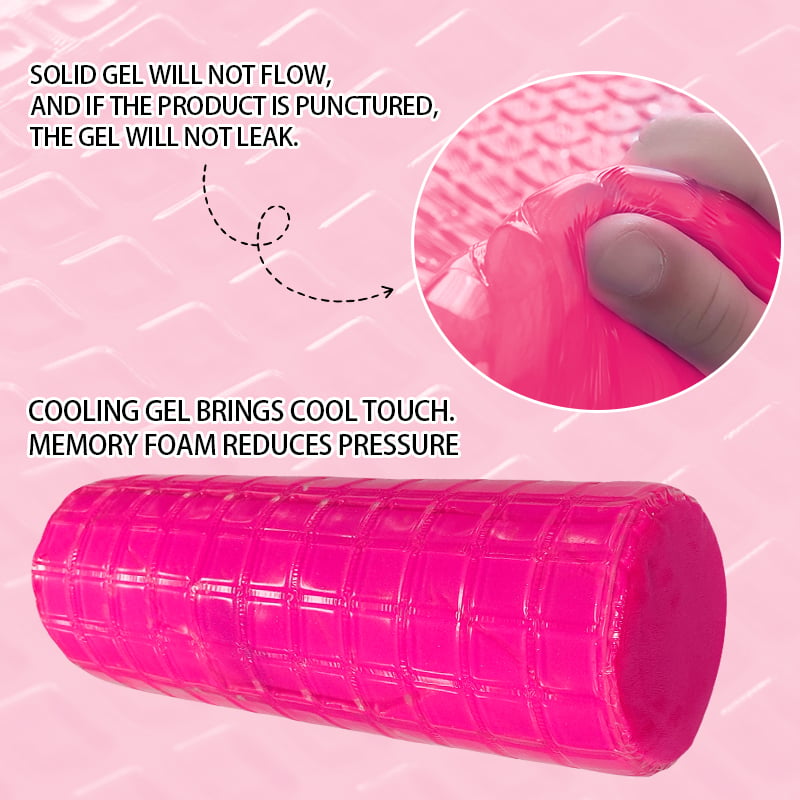
Parents and professionals constantly seek reliable cooling solutions for lunch boxes that prioritize safety without compromising convenience. The choice between traditional ice cubes, single-use cooling products, and reusable ice packs significantly impacts both food safety and long-term practicality. Understanding why leak-proof sealed options represent the safest choice requires examining the specific risks associated with moisture exposure, contamination potential, and temperature maintenance in portable food storage scenarios.
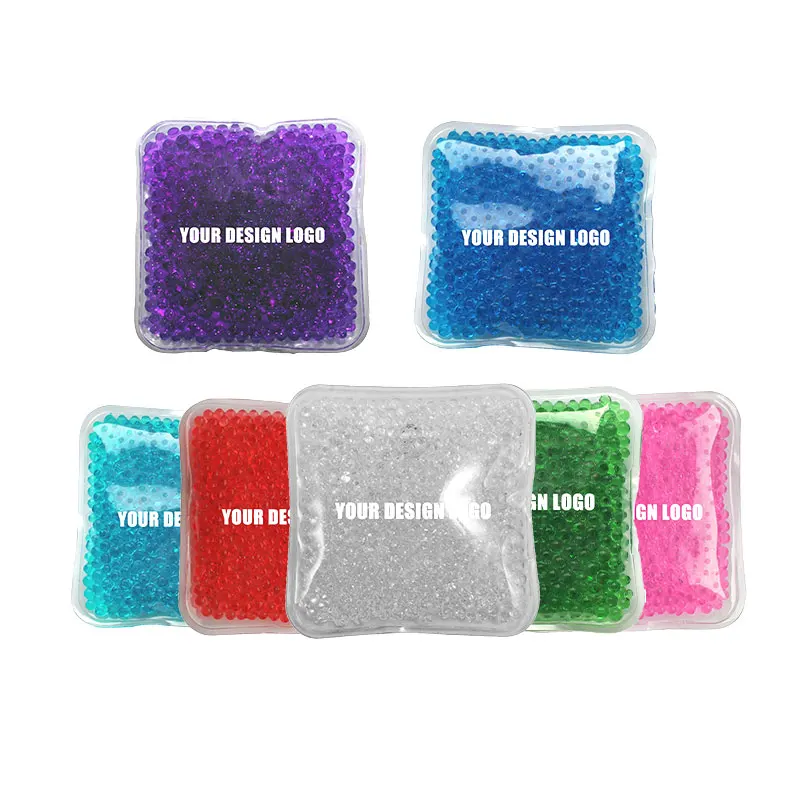
The superior safety profile of reusable ice packs with leak-proof seals stems from their ability to eliminate moisture-related contamination while maintaining consistent cooling performance. Unlike melting ice or compromised cooling products, properly sealed units prevent water accumulation that can promote bacterial growth, compromise food packaging integrity, and create unsanitary conditions within lunch containers. This fundamental advantage makes leak-proof reusable ice packs the preferred choice for health-conscious individuals who prioritize food safety in portable cooling applications.
Moisture Control and Contamination Prevention
Elimination of Water Accumulation Risks
Traditional ice cubes create significant moisture hazards as they melt throughout the day, pooling water at the bottom of lunch boxes and potentially saturating food packaging. This accumulated moisture provides an ideal environment for bacterial proliferation, particularly when combined with food particles or residue. Reusable ice packs with effective leak-proof seals completely eliminate this risk by containing all cooling gel within a sealed barrier, preventing any liquid from escaping even under pressure or temperature fluctuations.
The moisture control advantage extends beyond simple water prevention to include protection against cross-contamination between different food items. When traditional cooling methods fail and water pools in lunch containers, it can carry contaminants from one food item to another, creating potential health risks. Leak-proof reusable ice packs maintain a dry environment that preserves the integrity of individual food packaging and prevents unwanted moisture migration throughout the storage space.
Professional food safety protocols consistently emphasize the importance of controlling moisture levels in temporary food storage environments. Reusable ice packs with reliable sealing mechanisms align with these standards by providing predictable, controlled cooling without introducing variables that could compromise food safety. The consistency of performance offered by quality sealed units ensures that cooling effectiveness remains constant without creating additional contamination vectors.
Prevention of Bacterial Growth Environments
Bacterial growth thrives in moist, warm environments where organic matter provides nutrients for reproduction. Traditional melting ice creates precisely these conditions when water mixes with food residue or accumulates in corners of lunch containers. Reusable ice packs with leak-proof construction eliminate the moisture component entirely, significantly reducing the potential for bacterial colonization within the cooling environment.
The temperature stability provided by quality reusable ice packs also contributes to bacterial growth prevention by maintaining consistent cooling zones without the temperature fluctuations associated with melting ice. As traditional ice melts unevenly, it creates temperature gradients that can allow certain areas of the lunch box to enter the danger zone where bacterial multiplication accelerates. Sealed cooling units maintain more uniform temperature distribution, keeping all food items within safe temperature ranges for extended periods.
Research in food safety demonstrates that controlling both moisture and temperature variables simultaneously provides exponentially better protection against foodborne illness than addressing either factor alone. Reusable ice packs with effective leak-proof seals address both concerns simultaneously, creating an optimal cooling environment that minimizes bacterial growth potential while maintaining food quality and safety standards throughout the storage period.
Structural Integrity and Durability Advantages
Seal Technology and Failure Prevention
Modern reusable ice packs incorporate advanced sealing technologies designed to withstand repeated freeze-thaw cycles without compromising structural integrity. High-quality units utilize multiple sealing layers, reinforced corners, and flexible materials that maintain their barrier properties even under stress from expansion and contraction during temperature changes. This engineering approach ensures that leak-proof performance remains consistent over hundreds of use cycles, providing reliable safety benefits throughout the product lifespan.
The materials science behind effective leak-proof seals involves careful selection of polymers and bonding agents that maintain flexibility at low temperatures while providing strong barrier properties at room temperature. Reusable ice packs manufactured with food-grade materials and medical-grade sealing techniques offer superior reliability compared to basic cooling products that may use simple heat sealing or adhesive methods that can fail under normal use conditions.
Quality control measures in reusable ice packs manufacturing include pressure testing, thermal cycling evaluation, and long-term durability assessment to ensure that leak-proof seals maintain their integrity under realistic use conditions. These testing protocols verify that the cooling units can withstand typical lunch box environments, including compression from other items, temperature variations, and handling stress without developing leaks that could compromise safety.
Impact Resistance and Physical Durability
Lunch box environments subject cooling products to various physical stresses including dropping, compression from heavy items, and repeated handling by users of all ages. Reusable ice packs designed for lunch box applications must maintain their leak-proof properties despite these challenging conditions. Superior units feature reinforced construction, impact-resistant materials, and flexible designs that absorb stress without transferring it to critical seal areas.
The thickness and composition of protective barriers in quality reusable ice packs provide multiple layers of security against punctures, tears, or seal failures that could create safety hazards. Multi-layer construction techniques distribute stress across the entire surface area, preventing localized failure points that might compromise the leak-proof barrier. This engineering approach ensures that normal use patterns do not gradually weaken the protective seal over time.
Field testing of reusable ice packs in actual lunch box applications reveals that durability directly correlates with safety performance over extended use periods. Units that maintain their structural integrity continue to provide reliable leak-proof performance, while lower-quality alternatives may develop microscopic failures that eventually lead to contamination risks. Investing in properly engineered cooling units ensures consistent safety benefits throughout their operational lifespan.
Temperature Control and Food Safety Compliance
Consistent Cooling Performance Standards
Food safety regulations establish specific temperature ranges that must be maintained to prevent bacterial growth and ensure safe consumption of perishable items. Reusable ice packs with leak-proof seals provide more predictable and consistent cooling performance compared to traditional ice, which melts at variable rates depending on ambient conditions. This predictability allows users to plan cooling strategies that reliably maintain safe temperatures throughout intended storage periods.
The thermal mass and heat capacity of properly designed reusable ice packs create stable cooling environments that resist temperature fluctuations from external heat sources. Unlike melting ice, which loses cooling capacity as it transitions from solid to liquid state, gel-based cooling units maintain their thermal properties throughout the phase change process, providing extended cooling duration with consistent performance characteristics.
Professional food service operations rely on reusable ice packs specifically because they provide measurable, repeatable cooling performance that supports food safety compliance programs. The ability to predict cooling duration and temperature maintenance allows for systematic approaches to portable food storage that meet regulatory requirements while providing practical convenience for daily use applications.
Extended Safe Storage Duration
The superior thermal efficiency of leak-proof reusable ice packs extends the safe storage duration for perishable foods compared to traditional cooling methods. By eliminating energy loss through melting and maintaining consistent thermal output, sealed cooling units can keep food items within safe temperature ranges for significantly longer periods. This extended performance window provides greater flexibility for meal planning and reduces the risk of temperature-related food safety issues.
Thermal modeling studies demonstrate that reusable ice packs with effective insulation properties can maintain cooling performance for six to eight hours under typical lunch box conditions, compared to three to four hours for equivalent volumes of ice. This extended duration ensures that food remains safe even during longer work or school days without requiring additional cooling supplements or frequent replacement of melted ice.
The predictable performance characteristics of quality reusable ice packs enable users to develop reliable food safety protocols based on known cooling capacities and duration limits. Understanding the specific performance parameters of sealed cooling units allows for informed decisions about appropriate food types, portion sizes, and storage configurations that optimize both safety and convenience for various use scenarios.
Economic and Environmental Safety Benefits
Cost-Effectiveness of Reusable Solutions
The economic advantages of reusable ice packs extend beyond simple cost savings to include reduced risk of food waste from temperature-related spoilage and contamination. When traditional cooling methods fail and allow food temperatures to exceed safe ranges, the resulting waste represents both financial loss and potential health risks. Reliable leak-proof cooling units minimize these risks by providing consistent performance that protects food investments while ensuring safety.
Long-term cost analysis reveals that reusable ice packs provide superior value compared to disposable cooling options or continuous ice purchases over typical use periods. Quality units can perform effectively for years with proper care, eliminating ongoing cooling supply costs while providing superior safety performance. This economic efficiency makes leak-proof cooling solutions particularly attractive for families, schools, and organizations with regular portable food storage needs.
The reduced complexity of using reusable ice packs also translates into time and effort savings that contribute to overall economic value. Eliminating the need to purchase, store, and manage ice supplies simplifies meal preparation routines while providing more reliable cooling performance. These operational efficiencies support both individual convenience and organizational productivity in food service applications.
Environmental Impact and Sustainability Considerations
Environmental safety encompasses both immediate health protection and long-term sustainability impacts of cooling product choices. Reusable ice packs with durable leak-proof construction eliminate the packaging waste associated with disposable cooling products while reducing the energy consumption required for continuous ice production. This environmental efficiency aligns with growing awareness of sustainability impacts in daily product choices.
The materials used in quality reusable ice packs typically include recyclable components that minimize long-term environmental impact compared to single-use alternatives. When properly manufactured units eventually reach end-of-life, their components can often be processed through standard recycling systems, reducing landfill contributions and supporting circular economy principles in cooling product applications.
Lifecycle assessment studies indicate that reusable ice packs generate significantly lower environmental impact per cooling application compared to traditional ice or disposable cooling products when evaluated across their full operational lifespan. This environmental advantage complements the safety benefits by supporting responsible resource use while maintaining effective food safety performance in portable storage applications.
FAQ
How long do reusable ice packs with leak-proof seals maintain safe cooling temperatures?
Quality reusable ice packs with effective leak-proof seals typically maintain safe cooling temperatures for 6-8 hours under normal lunch box conditions, significantly longer than traditional ice which usually lasts 3-4 hours. The exact duration depends on factors including pack size, insulation quality, ambient temperature, and initial freezing temperature. Properly pre-frozen units can keep perishable foods within safe temperature ranges throughout standard work or school day periods.
What materials make reusable ice packs safer than traditional ice for food storage?
Safe reusable ice packs use food-grade gel materials contained within multi-layer barrier films that prevent any contact between cooling gel and food items. These materials maintain flexibility at low temperatures while providing strong leak-proof performance, unlike ice which creates water accumulation that can harbor bacteria and contaminate food packaging. The sealed construction eliminates moisture-related safety risks while providing consistent cooling performance.
Can reusable ice packs contaminate food if the seal fails?
Quality reusable ice packs manufactured with food-grade materials pose minimal contamination risk even in the unlikely event of seal failure, as the internal gel is typically non-toxic. However, any cooling unit with compromised seals should be immediately removed from food storage applications and replaced. Selecting units from reputable manufacturers with proven seal integrity and conducting periodic visual inspections help ensure continued safe performance.
Are there specific features to look for when choosing leak-proof reusable ice packs for lunch boxes?
Key safety features in reusable ice packs include multi-layer sealing systems, food-grade materials certification, flexible construction that resists cracking at low temperatures, and appropriate sizing for lunch box applications. Look for units with reinforced corners, clear labeling of materials and safety certifications, and manufacturer warranty coverage that indicates confidence in leak-proof performance. Avoid units with visible seal defects, sharp edges, or unclear material composition information.
Table of Contents
- Moisture Control and Contamination Prevention
- Structural Integrity and Durability Advantages
- Temperature Control and Food Safety Compliance
- Economic and Environmental Safety Benefits
-
FAQ
- How long do reusable ice packs with leak-proof seals maintain safe cooling temperatures?
- What materials make reusable ice packs safer than traditional ice for food storage?
- Can reusable ice packs contaminate food if the seal fails?
- Are there specific features to look for when choosing leak-proof reusable ice packs for lunch boxes?