
 EN
EN
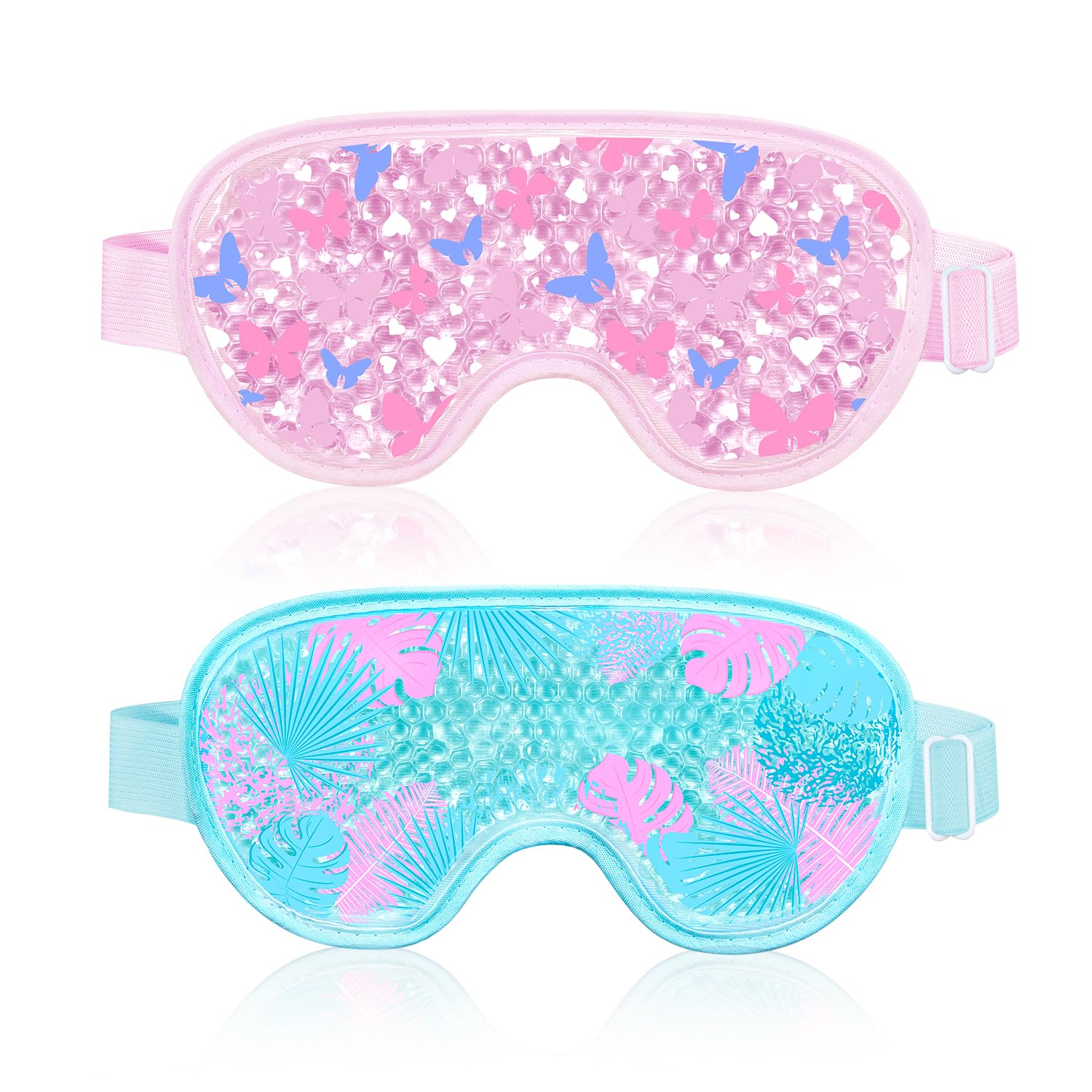
When planning extended outdoor adventures, camping trips, or day-long events, the question of whether a long-lasting ice pack can maintain food safety throughout the entire duration becomes critical. The answer depends on several factors including the quality of your cooling system, external temperature conditions, and the specific perishable items you're transporting. A high-quality long-lasting ice pack, when properly utilized within an insulated cooler system, can indeed preserve perishable goods for 8-12 hours or more under optimal conditions.
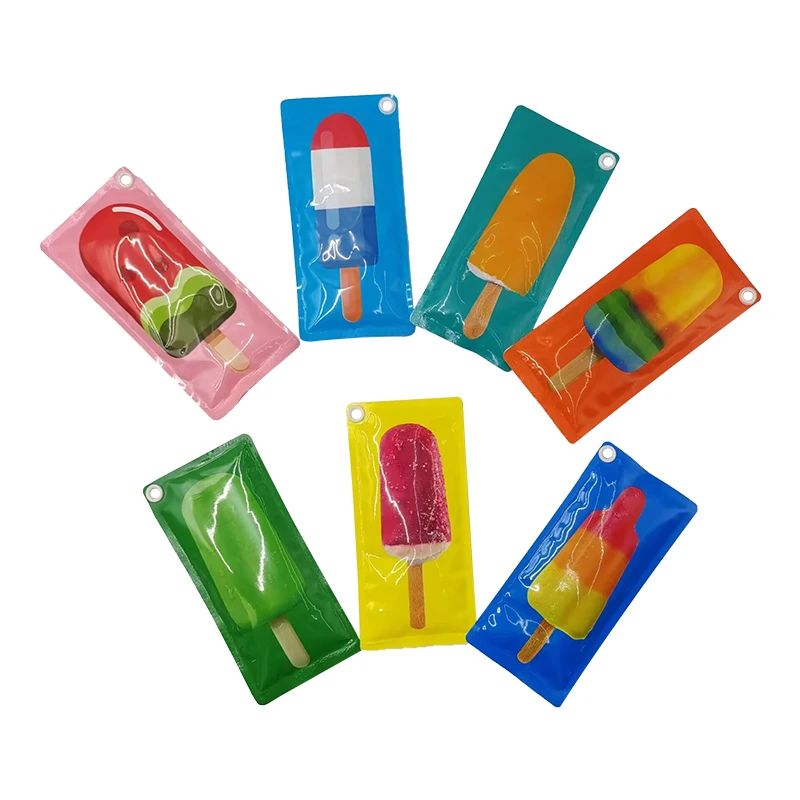
The effectiveness of maintaining food freshness during full-day outings relies heavily on understanding the thermal performance characteristics of modern cooling solutions. Advanced gel-based cooling packs and phase-change materials have revolutionized portable refrigeration, offering extended cooling periods that surpass traditional ice cubes. However, success requires proper preparation, strategic packing techniques, and realistic expectations about temperature maintenance in various environmental conditions.
Understanding Long-Lasting Ice Pack Technology and Performance
Phase Change Materials and Thermal Retention Properties
Modern long-lasting ice pack technology relies on sophisticated phase change materials that absorb and release thermal energy more efficiently than conventional ice. These materials, often composed of specialized gels or crystalline compounds, maintain consistent temperatures for extended periods by undergoing controlled phase transitions. The thermal retention capacity of a quality long-lasting ice pack can exceed that of traditional ice by 200-300%, providing sustained cooling power throughout demanding outdoor conditions.
The key advantage lies in the gradual temperature release mechanism, which prevents the rapid temperature fluctuations that compromise food safety. Unlike regular ice that melts quickly and creates temperature spikes, a well-designed long-lasting ice pack maintains steady cooling performance, ensuring perishable goods remain within safe temperature zones for extended periods.
Cooling Duration Factors and Environmental Variables
The actual performance duration of a long-lasting ice pack depends on multiple environmental and usage factors. Ambient temperature represents the primary variable, with cooler outdoor conditions extending effectiveness while extreme heat reduces cooling duration. Proper insulation quality, cooler size-to-contents ratio, and frequency of opening all significantly impact thermal retention performance.
Professional-grade cooling systems incorporating multiple long-lasting ice pack units can maintain safe food temperatures for 12-24 hours under moderate conditions. The strategic placement of cooling elements, combined with proper food packaging techniques, creates optimal thermal management that preserves perishable goods throughout full-day outdoor activities.
Food Safety Requirements for Extended Outdoor Storage
Critical Temperature Zones and Time Limits
Food safety regulations establish strict temperature requirements for perishable goods, with the danger zone between 40°F and 140°F representing critical risk territory. Perishable items including dairy products, fresh meats, and prepared foods must remain below 40°F to prevent bacterial growth and maintain safety standards. A reliable long-lasting ice pack system must consistently maintain these temperatures throughout the entire outing duration.
The two-hour rule becomes particularly relevant during extended outdoor activities, as perishable foods should not remain in the danger zone for more than two hours at temperatures above 90°F, or one hour at temperatures above 90°F. Quality cooling solutions using advanced long-lasting ice pack technology can extend these safety windows significantly when properly implemented.
Perishable Food Categories and Cooling Requirements
Different perishable food categories have varying sensitivity to temperature fluctuations and storage requirements. Dairy products, fresh vegetables, and prepared salads require consistent refrigeration temperatures, while certain fruits and vegetables may tolerate slightly higher temperatures for short periods. Understanding these requirements helps optimize cooler packing strategies when using a long-lasting ice pack system.
Meat products represent the highest risk category, requiring continuous refrigeration to prevent spoilage and foodborne illness. A properly functioning long-lasting ice pack arrangement should maintain meat products at consistent temperatures below 40°F throughout the entire day-long outing, ensuring both safety and quality preservation.
Optimizing Cooler Performance with Strategic Packing Methods
Pre-Cooling and Thermal Mass Management
Maximizing the effectiveness of your long-lasting ice pack requires strategic pre-cooling of both the cooler and the perishable items before packing. Pre-cooling the cooler interior for several hours using preliminary ice packs creates an optimal thermal environment that extends overall cooling duration. Similarly, ensuring all perishable goods start at proper refrigeration temperatures reduces the initial thermal load on your cooling system.
Thermal mass management involves balancing the cooler contents to optimize heat absorption and retention. Properly distributed cooling elements, combined with strategically placed perishable items, create thermal zones that maintain consistent temperatures throughout the storage space. This approach maximizes the cooling potential of your long-lasting ice pack investment.
Insulation Techniques and Container Selection
The cooler's insulation quality directly impacts the performance of any long-lasting ice pack system. High-quality rotomolded coolers with thick insulation walls provide superior thermal retention compared to basic foam coolers. The insulation-to-volume ratio determines how effectively your cooling elements maintain desired temperatures during extended outdoor exposure.
Additional insulation techniques, including reflective barriers, thermal blankets, and strategic air space management, can significantly enhance cooling performance. These methods work synergistically with quality long-lasting ice pack units to create comprehensive thermal management systems capable of preserving perishable goods throughout demanding outdoor conditions.
Real-World Performance Testing and Duration Expectations
Field Testing Results Under Various Conditions
Extensive field testing of long-lasting ice pack performance under realistic outdoor conditions provides valuable insights into actual cooling duration capabilities. Tests conducted in temperatures ranging from 70°F to 95°F demonstrate that quality cooling systems can maintain safe food temperatures for 8-14 hours depending on environmental factors and usage patterns.
Performance variations occur based on cooler opening frequency, direct sunlight exposure, and ambient temperature fluctuations. However, properly implemented long-lasting ice pack systems consistently outperform traditional ice solutions, providing reliable cooling for full-day outdoor activities including camping, fishing, and extended picnics.
Comparative Analysis with Traditional Cooling Methods
When compared to traditional ice cubes or basic frozen water bottles, advanced long-lasting ice pack technology demonstrates superior thermal retention and temperature stability. Traditional ice typically provides effective cooling for 4-6 hours under moderate conditions, while quality gel-based cooling packs extend this duration to 10-16 hours under similar circumstances.
The consistent temperature maintenance provided by modern cooling technology eliminates the temperature fluctuations associated with melting ice, ensuring perishable goods remain within safe storage parameters throughout extended outdoor adventures. This reliability makes long-lasting ice pack solutions essential equipment for serious outdoor enthusiasts and professional applications.
FAQ
How long can a high-quality long-lasting ice pack keep food cold during summer outdoor activities?
A premium long-lasting ice pack can maintain safe food temperatures for 8-12 hours during summer outdoor activities when used in a well-insulated cooler. Performance duration depends on ambient temperature, cooler quality, and usage frequency. In temperatures below 85°F with minimal cooler opening, some advanced cooling systems can extend performance to 14-16 hours.
What types of perishable foods work best with long-lasting ice pack cooling systems?
Long-lasting ice pack systems work effectively with most perishable foods including fresh meats, dairy products, prepared salads, and beverages. Foods with higher water content and those requiring strict temperature control benefit most from the consistent cooling provided by quality gel-based cooling packs. Pre-packaged and sealed items generally maintain freshness better than open containers during extended outdoor storage.
Can multiple long-lasting ice packs improve cooling duration for full-day outings?
Yes, using multiple long-lasting ice pack units significantly improves cooling duration and temperature distribution throughout the cooler. Strategic placement of 2-4 cooling packs creates thermal zones that maintain consistent temperatures for 12-18 hours or longer. The additional thermal mass provides backup cooling capacity as individual packs gradually warm, ensuring sustained performance throughout extended outdoor adventures.
What environmental factors most impact long-lasting ice pack performance during outdoor use?
Ambient temperature represents the primary environmental factor affecting cooling performance, with each 10°F increase in outdoor temperature reducing cooling duration by approximately 20-30%. Direct sunlight exposure, wind conditions, and cooler placement also significantly impact performance. Shaded locations with good air circulation optimize cooling efficiency, while direct sun exposure and enclosed vehicle storage dramatically reduce effective cooling duration.
Table of Contents
- Understanding Long-Lasting Ice Pack Technology and Performance
- Food Safety Requirements for Extended Outdoor Storage
- Optimizing Cooler Performance with Strategic Packing Methods
- Real-World Performance Testing and Duration Expectations
-
FAQ
- How long can a high-quality long-lasting ice pack keep food cold during summer outdoor activities?
- What types of perishable foods work best with long-lasting ice pack cooling systems?
- Can multiple long-lasting ice packs improve cooling duration for full-day outings?
- What environmental factors most impact long-lasting ice pack performance during outdoor use?