
 EN
EN

When dealing with ankle or wrist injuries, the effectiveness of your cold therapy treatment largely depends on how well your ice pack can conform to the unique contours of these complex joint areas. A flexible gel ice pack offers superior adaptability compared to traditional rigid ice alternatives, allowing the cooling medium to wrap around curved surfaces and maintain consistent contact with injured tissues. This conformability is crucial for maximizing therapeutic benefits and ensuring even temperature distribution across the affected area.
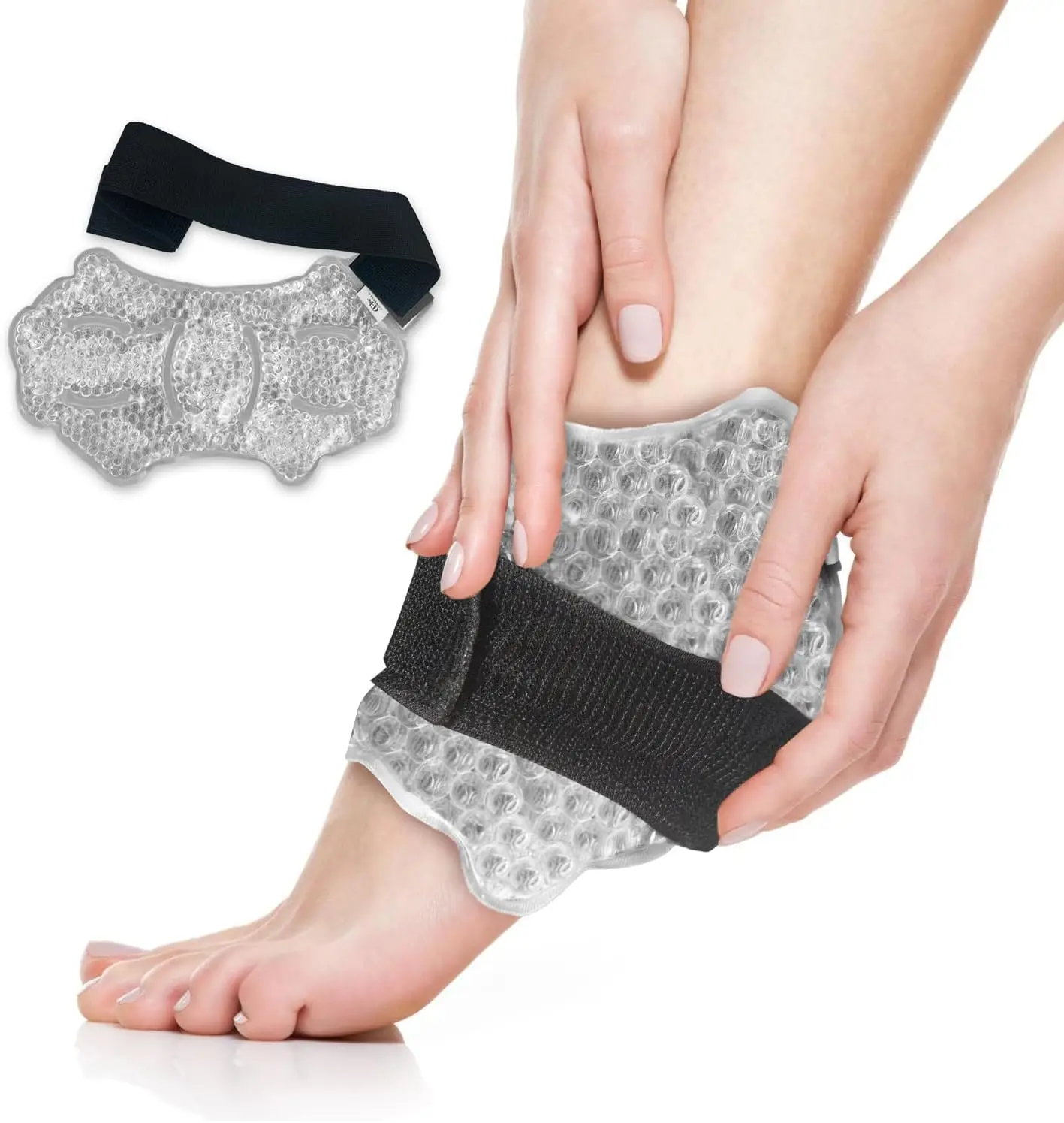
The science behind gel pack conformability lies in the specialized gel formulation and flexible outer casing that work together to create a malleable yet durable cold therapy solution. Unlike solid ice cubes or frozen vegetables that create pressure points and uneven coverage, a properly designed flexible gel ice pack maintains its pliability even at freezing temperatures, allowing it to mold seamlessly around the ankle's bony prominences or the wrist's complex joint structure. This enhanced conformability directly translates to more effective injury treatment and faster recovery times.
The Physics of Gel Pack Flexibility and Joint Conformability
Gel Composition and Temperature Retention Properties
The key to a flexible gel ice pack's conformability lies in its specialized gel formulation, typically consisting of propylene glycol, sodium polyacrylate, or similar compounds that remain pliable at sub-zero temperatures. These gel materials are engineered to maintain flexibility while providing consistent cooling for extended periods, usually between 15-20 minutes per application. The gel's viscosity allows it to flow and redistribute within the pack's chambers, automatically adjusting to match the contours of your ankle or wrist without creating uncomfortable pressure points.
Temperature retention characteristics of quality gel packs ensure that the cooling effect remains steady throughout the treatment period, which is essential for effective vasoconstriction and inflammation reduction. The gel medium holds cold temperatures longer than water-based alternatives while maintaining the flexibility needed for proper joint conformability. This extended cooling duration allows for complete treatment cycles without requiring frequent refreezing, making the flexible gel ice pack more practical for consistent injury management protocols.
Outer Casing Design and Durability Factors
The outer casing of a high-quality flexible gel ice pack typically features medical-grade vinyl or thermoplastic materials that remain supple at freezing temperatures. These materials are specifically chosen for their ability to stretch and conform without cracking or developing weak points that could lead to gel leakage. The casing thickness is carefully calibrated to provide adequate protection for the gel contents while maintaining the flexibility necessary for effective joint conformability.
Reinforced sealing technology ensures that the flexible gel ice pack maintains its integrity through repeated freeze-thaw cycles without compromising conformability. Quality manufacturers employ heat-sealed edges or ultrasonic welding techniques that create durable bonds capable of withstanding the expansion and contraction stresses associated with temperature changes. This durability factor is crucial for maintaining consistent performance over extended use periods, particularly for individuals managing chronic ankle or wrist conditions.
Anatomical Considerations for Ankle and Wrist Cold Therapy
Ankle Joint Complexity and Treatment Challenges
The ankle joint's intricate anatomy, comprising multiple bones, ligaments, and tendons in a relatively compact area, creates unique challenges for effective cold therapy application. Traditional rigid ice packs often fail to make adequate contact with all injured tissues due to the ankle's irregular surface topology, including the medial and lateral malleoli, Achilles tendon attachment, and various bony prominences. A flexible gel ice pack addresses these challenges by molding around these anatomical features, ensuring comprehensive coverage of the entire injury site.
Ankle injuries commonly involve multiple tissue types simultaneously, including ligament sprains, tendon strains, and localized swelling that may extend from the joint proper down to the foot or up toward the lower leg. The conformability of a quality gel pack allows for treatment of these extended injury patterns by adapting to the changing contours as the pack is positioned around the ankle complex. This comprehensive coverage is particularly important for conditions like lateral ankle sprains, where injury affects tissues on multiple sides of the joint.
Wrist Anatomy and Effective Cooling Application
The wrist joint presents its own conformability challenges due to the concentration of eight small carpal bones, multiple tendons, and the prominent radial and ulnar styloid processes that create an irregular surface requiring adaptive cold therapy solutions. A flexible gel ice pack can wrap around these anatomical variations while maintaining contact with both the dorsal and volar surfaces of the wrist, ensuring comprehensive treatment of common conditions like carpal tunnel syndrome, wrist sprains, or repetitive strain injuries.
Wrist positioning during cold therapy significantly impacts treatment effectiveness, and the conformability of gel packs allows for therapeutic application regardless of whether the wrist is held in neutral, flexed, or extended positions. This flexibility is particularly valuable for individuals who experience pain with certain wrist positions, as the gel pack can adapt to whatever position provides the most comfort while still delivering effective cooling. The pack's ability to maintain contact during minor position changes ensures consistent therapeutic benefit throughout the treatment duration.
Optimal Application Techniques for Maximum Conformability
Proper Positioning and Wrapping Methods
Achieving optimal conformability with a flexible gel ice pack requires specific positioning techniques that take advantage of the gel's flow properties and the pack's inherent flexibility. For ankle applications, the pack should be positioned while the gel is still relatively soft, allowing gravity and gentle manipulation to encourage the gel to flow into the natural depressions around the ankle bones. Starting with the pack centered over the primary injury site and then wrapping it around the joint ensures even distribution of both gel contents and cooling effect.
Securing methods play a crucial role in maintaining conformability throughout the treatment period, as poorly secured packs may shift and lose contact with key areas of the injured joint. Elastic wraps, specialized straps, or compression sleeves help maintain the flexible gel ice pack's position while allowing for natural joint movement and accommodating any swelling changes that may occur during treatment. The securing method should provide gentle, even pressure that enhances conformability without restricting circulation or causing discomfort.
Treatment Duration and Reapplication Protocols
Effective conformability must be maintained throughout the entire treatment duration to maximize therapeutic benefits, typically requiring 15-20 minute application periods for acute injuries. The flexible gel ice pack's ability to maintain its moldable properties throughout this timeframe is essential for consistent cooling delivery. As the pack gradually warms during treatment, the gel may become more fluid, potentially improving conformability in some cases while requiring attention to securing methods to prevent shifting.
Reapplication protocols should account for the relationship between gel temperature and conformability, as packs that are too rigid from over-freezing may not conform properly initially, while packs that are too warm may lack the structural integrity needed for effective positioning. Optimal storage temperatures and brief tempering periods can ensure that each application achieves the best possible conformability for your specific ankle or wrist anatomy. Understanding these temperature-conformability relationships helps users develop personalized application techniques for maximum therapeutic benefit.
Therapeutic Benefits of Enhanced Conformability
Improved Heat Transfer and Inflammation Control
Superior conformability directly translates to enhanced heat transfer efficiency, as the increased contact area between the flexible gel ice pack and injured tissues allows for more rapid and uniform temperature reduction. This improved thermal coupling is particularly important for ankle and wrist injuries, where effective cooling must penetrate through varying tissue depths and around irregular bone structures. The gel's ability to maintain intimate contact with skin surfaces eliminates air gaps that would otherwise insulate tissues from the cooling effect.
Enhanced heat transfer characteristics result in more effective vasoconstriction and subsequent reduction in inflammatory responses at the injury site. When a flexible gel ice pack conforms properly to joint contours, it can simultaneously cool multiple tissue planes and injury components, providing comprehensive anti-inflammatory effects that extend beyond what rigid ice alternatives can achieve. This multi-dimensional cooling approach is particularly valuable for complex injuries involving both superficial and deeper tissue damage.
Patient Comfort and Treatment Compliance
Conformability significantly impacts patient comfort during cold therapy sessions, as flexible gel ice pack applications eliminate the pressure points and uneven contact that often make traditional ice applications uncomfortable or intolerable. The gel's ability to distribute pressure evenly across irregular joint surfaces reduces the likelihood of skin irritation, numbness, or discomfort that might cause patients to discontinue treatment prematurely. This comfort factor is crucial for maintaining treatment compliance, particularly in cases requiring frequent or extended cold therapy protocols.
Improved comfort levels associated with conformable gel packs often lead to better treatment adherence and more consistent application of recommended cold therapy protocols. When patients experience comfortable, effective treatments, they are more likely to follow through with prescribed therapy schedules and achieve better recovery outcomes. The psychological benefits of comfortable treatment experiences should not be underestimated, as positive associations with therapy can improve overall treatment compliance and patient satisfaction with their recovery process.
FAQ
How long should I freeze a flexible gel ice pack before applying it to my ankle or wrist?
Most flexible gel ice packs require 2-4 hours in a standard home freezer to reach optimal therapeutic temperature while maintaining proper conformability. Over-freezing can make the pack too rigid to conform properly, while under-freezing may not provide adequate cooling duration. For best results, freeze the pack until it feels firm but still pliable when gently squeezed.
Can I use a flexible gel ice pack on both ankles and wrists, or do I need different sizes?
Many flexible gel ice packs are designed with universal sizing that works effectively for both ankle and wrist applications, though larger packs may be more suitable for ankle use while smaller, more compact versions work better for wrist treatment. The key is ensuring adequate coverage of the injured area while maintaining the pack's ability to conform to the specific joint anatomy. Some users prefer having dedicated packs for each application area to optimize conformability.
What should I do if my flexible gel ice pack becomes too soft during treatment?
If your gel pack becomes too soft and loses its structural integrity during treatment, you can pause the session and return the pack to the freezer for 10-15 minutes to restore proper consistency. Alternatively, you can continue treatment if the pack still maintains contact with the injured area, as even softer gel can provide therapeutic cooling. Always ensure the pack remains securely positioned to prevent it from shifting away from the treatment area.
How do I clean and maintain my flexible gel ice pack to preserve its conformability?
Clean your flexible gel ice pack with mild soap and warm water after each use, paying particular attention to any areas that contacted skin directly. Avoid using harsh chemicals or abrasive materials that could damage the outer casing and compromise flexibility. Allow the pack to air dry completely before storing, and periodically inspect for signs of wear or damage that could affect conformability or lead to gel leakage.
Table of Contents
- The Physics of Gel Pack Flexibility and Joint Conformability
- Anatomical Considerations for Ankle and Wrist Cold Therapy
- Optimal Application Techniques for Maximum Conformability
- Therapeutic Benefits of Enhanced Conformability
-
FAQ
- How long should I freeze a flexible gel ice pack before applying it to my ankle or wrist?
- Can I use a flexible gel ice pack on both ankles and wrists, or do I need different sizes?
- What should I do if my flexible gel ice pack becomes too soft during treatment?
- How do I clean and maintain my flexible gel ice pack to preserve its conformability?