
 EN
EN
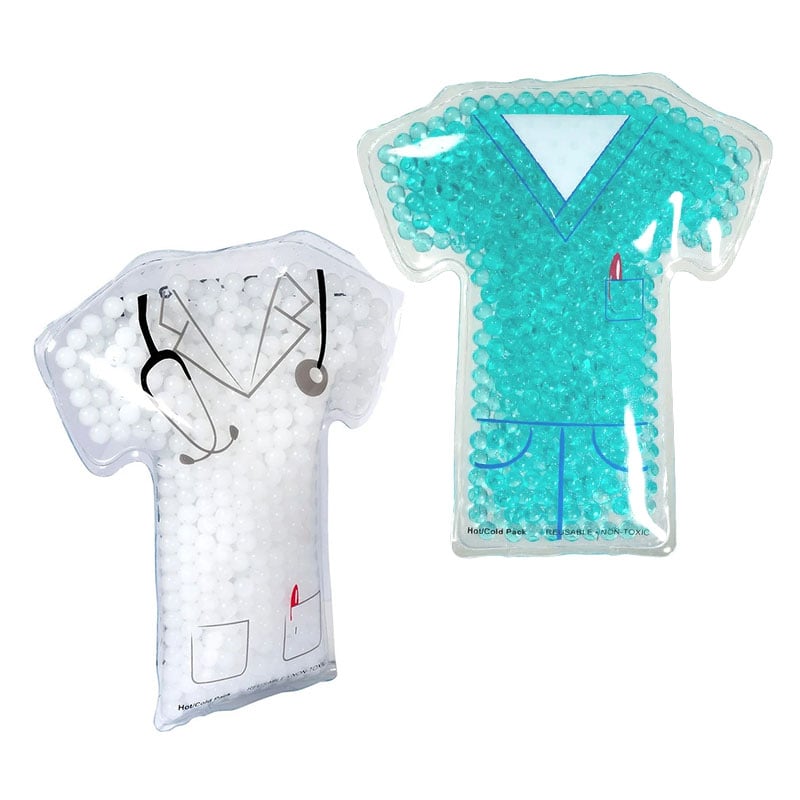
When planning outdoor adventures and camping trips, maintaining proper food and beverage temperatures becomes a critical safety and comfort consideration. The effectiveness of your cooling system largely depends on selecting the right ice pack design that can withstand extended periods without refrigeration while providing consistent cold retention. Different ice pack designs offer varying levels of performance, with some maintaining freezing temperatures for mere hours while others can preserve coldness for multiple days in challenging outdoor conditions.
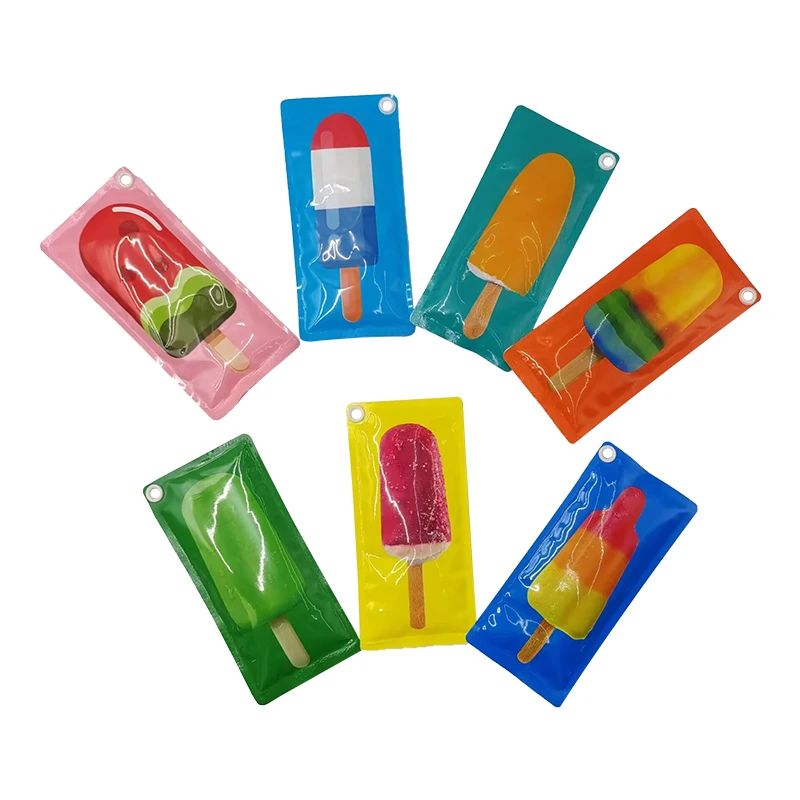
The science behind cold retention involves multiple factors including gel composition, container materials, surface area ratios, and thermal insulation properties. Professional outdoor enthusiasts and camping experts consistently report that certain ice pack designs significantly outperform others in real-world field conditions. Understanding these design differences allows adventurers to make informed decisions that directly impact food safety, beverage enjoyment, and overall trip success during extended outdoor excursions.
Gel-Based Ice Pack Designs for Extended Cold Performance
Advanced Polymer Gel Compositions
Modern gel-based ice pack designs utilize sophisticated polymer compositions that maintain phase-change temperatures longer than traditional water-based alternatives. These advanced formulations typically contain non-toxic glycol compounds or specialized polymer gels that remain flexible at sub-freezing temperatures while providing superior thermal mass. The molecular structure of these gels allows for slower heat transfer rates, resulting in extended cold retention periods that can last 24 to 48 hours in properly insulated containers.
Professional-grade ice pack design often incorporates multiple gel chambers or compartmentalized sections that prevent complete thawing in one area from compromising the entire pack's effectiveness. This compartmentalization ensures that even if one section begins warming, other areas continue providing cooling capacity throughout the duration of outdoor activities.
Thickness and Volume Optimization
The thickness and overall volume of gel-based ice pack designs directly correlate with cold retention duration and effectiveness in outdoor environments. Thicker designs generally provide longer-lasting cold retention due to increased thermal mass, but must be balanced against weight considerations for backpacking and hiking applications. Professional outdoor gear manufacturers typically recommend gel pack thicknesses between 15-25mm for optimal performance-to-weight ratios during extended camping trips.
Volume optimization in ice pack design also considers surface area exposure ratios, where larger flat designs provide better contact with food containers while minimizing exposed surface area that contributes to heat gain. The most effective gel-based designs incorporate ergonomic shapes that maximize cooling contact while fitting efficiently within standard cooler configurations used by outdoor enthusiasts.
Rigid Container Ice Pack Designs
Hard Shell Construction Benefits
Rigid container ice pack designs offer distinct advantages for outdoor adventures where durability and reusability are paramount concerns. These designs typically feature hard plastic shells that protect internal gel or liquid contents from punctures, tears, or compression damage that commonly occurs during camping activities. The rigid construction allows for consistent shape maintenance, ensuring optimal contact with food containers and efficient space utilization within coolers.
Hard shell ice pack designs often incorporate enhanced insulation properties through double-wall construction or integrated insulation layers that further extend cold retention periods. This design approach proves particularly valuable for multi-day camping trips where ice pack performance degradation can compromise food safety and trip enjoyment throughout extended outdoor adventures.
Stackable and Modular Design Features
Professional-grade rigid ice pack designs frequently include stackable or modular features that allow users to create custom cooling configurations based on specific adventure requirements. These designs enable efficient packing strategies where multiple units can be arranged to create cooling zones for different food types or temperature requirements during outdoor activities.
Modular ice pack design systems allow adventurers to scale their cooling capacity based on trip duration and group size, providing flexibility that single large units cannot offer. This modularity proves especially beneficial for extended camping expeditions where partial replacement or staged cooling strategies enhance overall food preservation effectiveness throughout the adventure duration.
Flexible Pouch Ice Pack Designs
Space-Efficient Conforming Properties
Flexible pouch ice pack designs excel in outdoor applications where space optimization and adaptability are critical factors for camping success. These designs conform to irregular container shapes and fill void spaces within coolers that rigid designs cannot accommodate effectively. The flexible nature allows for efficient packing around food containers, maximizing cooling surface contact while minimizing wasted cooler space during outdoor adventures.
Advanced flexible ice pack designs incorporate tear-resistant materials and reinforced sealing systems that withstand the handling demands of outdoor activities while maintaining integrity throughout multiple freeze-thaw cycles. This durability ensures reliable performance across numerous camping trips without degradation in cooling effectiveness or container failure.
Multi-Layer Barrier Technology
Professional flexible ice pack designs often feature multi-layer barrier technologies that enhance both durability and thermal performance for extended outdoor use. These barrier systems typically include puncture-resistant outer layers, insulating middle layers, and leak-proof inner containment systems that work together to extend cold retention periods while protecting against outdoor adventure hazards.
The barrier technology in advanced flexible ice pack designs also incorporates UV-resistant materials that prevent degradation from prolonged sun exposure during outdoor activities. This protection ensures consistent performance even when packs are exposed to direct sunlight during camp setup or cooler access throughout camping adventures.
Insulation-Integrated Ice Pack Designs
Built-In Thermal Protection Systems
Some ice pack designs incorporate integrated insulation systems that provide additional thermal protection beyond the base cooling medium. These designs typically feature foam insulation layers, reflective barriers, or vacuum-insulated chambers that significantly extend cold retention periods compared to standard ice pack designs. The integrated approach eliminates the need for separate insulation materials while providing superior performance for demanding outdoor applications.
Insulation-integrated ice pack designs prove particularly valuable for extreme outdoor conditions where ambient temperatures exceed normal camping ranges or where extended periods without refrigeration are anticipated. These designs maintain effectiveness in high-temperature environments that would quickly compromise standard ice pack performance during summer camping adventures.
Phase-Change Material Integration
Advanced ice pack designs increasingly incorporate phase-change materials (PCMs) that provide consistent temperature maintenance throughout extended melting periods. These materials remain at specific temperatures during phase transitions, providing steady cooling performance rather than gradual temperature increases typical of conventional ice pack designs. PCM-integrated designs offer predictable cooling performance that outdoor enthusiasts can rely on for food safety planning during extended adventures.
The phase-change technology in premium ice pack designs allows for multiple temperature maintenance zones, where different PCM formulations target specific temperature ranges optimal for various food types. This targeted approach ensures appropriate cooling for dairy products, meats, beverages, and other perishables throughout extended camping periods without over-cooling or under-cooling specific food categories.
Performance Factors That Determine Cold Retention Duration
Thermal Mass and Heat Capacity Considerations
The thermal mass of different ice pack designs directly determines cold retention duration and cooling effectiveness during outdoor adventures. Designs with higher thermal mass maintain cold temperatures longer but require more initial freezing energy and add weight to camping gear. Professional outdoor equipment specialists recommend balancing thermal mass against portability requirements based on specific adventure types and duration expectations.
Heat capacity variations between different ice pack designs significantly affect performance in fluctuating outdoor temperature conditions. Designs with higher heat capacity provide more stable cooling performance during temperature swings common in outdoor environments, ensuring consistent food preservation effectiveness throughout day-night temperature cycles during camping adventures.
Surface Area and Heat Transfer Rates
Surface area optimization in ice pack design influences both cooling effectiveness and heat gain rates during outdoor use. Designs with larger surface areas provide better cooling contact with food containers but also expose more area to ambient heat gain from outdoor environments. The most effective ice pack designs balance surface area for cooling efficiency against exposed area minimization for heat gain reduction.
Heat transfer rates through different ice pack designs vary significantly based on materials, construction methods, and geometric configurations. Professional-grade designs incorporate thermal transfer optimization that maximizes cooling delivery to food containers while minimizing heat absorption from outdoor ambient conditions throughout extended camping periods.
FAQ
How long do the best ice pack designs maintain freezing temperatures during outdoor camping?
High-performance ice pack designs with advanced gel formulations and insulation integration can maintain freezing temperatures for 24-48 hours in properly insulated coolers during typical camping conditions. Factors such as ambient temperature, cooler quality, opening frequency, and initial freeze temperature significantly affect actual performance duration in outdoor environments.
What ice pack design works best for multi-day backpacking adventures?
Flexible pouch ice pack designs with high gel concentration and lightweight construction typically provide the best performance-to-weight ratios for backpacking adventures. These designs conform to pack shapes, minimize weight burden, and provide adequate cooling for 2-3 day trips when properly pre-frozen and insulated within backpacking-specific cooler systems.
Can ice pack designs maintain effectiveness in extreme heat conditions during summer camping?
Insulation-integrated ice pack designs with phase-change materials and reflective barrier systems maintain effectiveness in temperatures up to 100°F when used with high-quality coolers and proper usage techniques. However, cold retention duration decreases significantly in extreme heat, typically reducing effective cooling periods by 30-50% compared to moderate temperature conditions.
Which ice pack design provides the most consistent cooling temperature throughout the melting process?
Phase-change material ice pack designs provide the most consistent cooling temperatures during melting because they maintain specific temperatures throughout phase transitions rather than gradually warming like conventional designs. These advanced designs ensure stable food storage temperatures for extended periods, making them ideal for critical food safety applications during outdoor adventures.
Table of Contents
- Gel-Based Ice Pack Designs for Extended Cold Performance
- Rigid Container Ice Pack Designs
- Flexible Pouch Ice Pack Designs
- Insulation-Integrated Ice Pack Designs
- Performance Factors That Determine Cold Retention Duration
-
FAQ
- How long do the best ice pack designs maintain freezing temperatures during outdoor camping?
- What ice pack design works best for multi-day backpacking adventures?
- Can ice pack designs maintain effectiveness in extreme heat conditions during summer camping?
- Which ice pack design provides the most consistent cooling temperature throughout the melting process?