
 EN
EN

Selecting the right flexible ice pack for ankle or wrist applications requires careful consideration of material composition, flexibility characteristics, and anatomical fit requirements. The unique contours and movement patterns of these joint areas demand specialized cold therapy solutions that can conform effectively while maintaining therapeutic temperature consistency. Understanding the key factors that influence ice pack flexibility will help you make an informed decision that maximizes treatment effectiveness and user comfort.
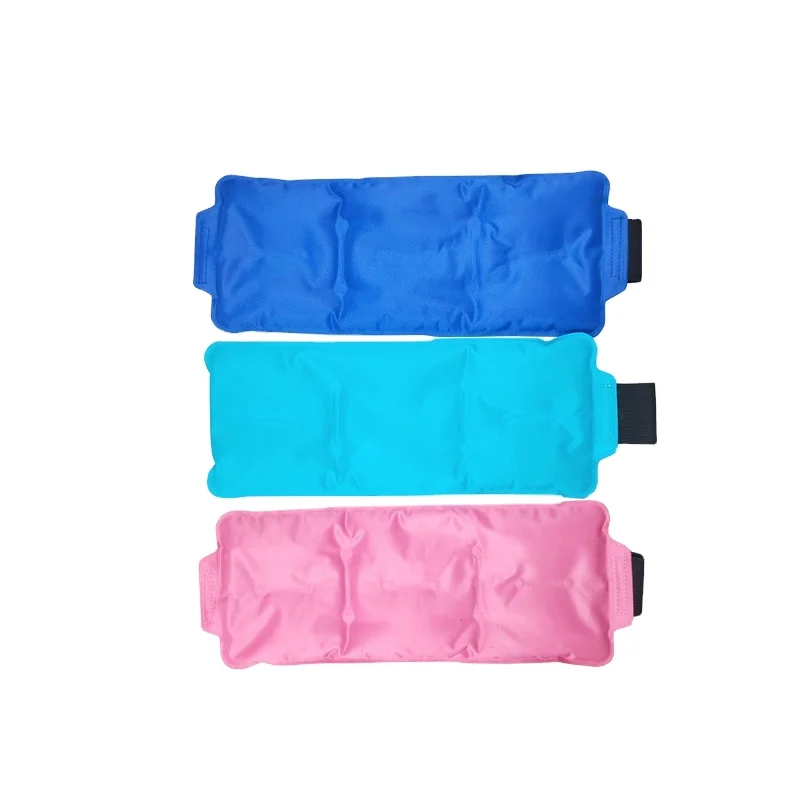
The flexibility of an ice pack directly impacts its therapeutic value when applied to curved body areas like ankles and wrists. A properly chosen flexible ice pack should maintain its moldability even at low temperatures, ensuring complete surface contact with the treatment area. This comprehensive guide examines the critical selection criteria, material considerations, and practical evaluation methods to help you identify the optimal flexible ice pack for your specific therapeutic needs.
Understanding Flexibility Requirements for Joint Applications
Material Composition and Flexibility Characteristics
The flexibility of an ice pack depends primarily on its internal gel composition and outer covering material. High-quality flexible ice pack products typically contain non-toxic gel formulations that remain pliable at sub-zero temperatures. Silica-based gels offer superior flexibility compared to water-based alternatives, maintaining their moldable properties even when frozen solid. The gel consistency should allow the pack to bend and conform without creating pressure points or gaps in coverage.
Outer covering materials significantly influence overall flexibility and user comfort. Fabric-covered flexible ice pack options provide better grip and reduced slippage during application, while smooth vinyl covers offer easier cleaning and sanitization. The thickness of the covering material affects both flexibility and insulation properties, requiring a balance between protection and therapeutic effectiveness.
Temperature retention capabilities must be evaluated alongside flexibility characteristics. A truly effective flexible ice pack maintains therapeutic temperatures for extended periods while preserving its ability to conform to body contours. This dual functionality ensures consistent cold therapy delivery throughout the treatment duration.
Anatomical Considerations for Ankle and Wrist Wrapping
Ankle joints present unique challenges for ice pack application due to their complex three-dimensional structure and frequent movement during daily activities. The flexible ice pack must accommodate the natural curves around the ankle bone while providing adequate coverage to the Achilles tendon area and lateral ankle surfaces. Proper sizing ensures the pack can wrap completely around the ankle without creating uncomfortable pressure points.
Wrist applications require consideration of the joint's range of motion and the presence of sensitive nerve pathways near the surface. A well-designed flexible ice pack for wrist use should conform to the natural wrist curvature without restricting essential hand movements. The pack's dimensions should provide coverage from the base of the palm to the lower forearm area while maintaining flexibility during wrist rotation and flexion.
Both ankle and wrist applications benefit from ice packs that maintain their shape memory after repeated use. This characteristic ensures consistent performance over time and prevents the development of permanent creases or rigid areas that could compromise therapeutic effectiveness.
Evaluation Criteria for Ice Pack Flexibility
Physical Testing Methods
Assessing the flexibility of a potential ice pack requires systematic evaluation of its physical properties under various temperature conditions. Begin by examining the pack at room temperature, noting how easily it bends and conforms to curved surfaces. A high-quality flexible ice pack should demonstrate smooth, consistent bending without creating sharp angles or resistant areas.
Freeze testing provides crucial insights into low-temperature performance characteristics. After standard freezing periods, the flexible ice pack should retain significant pliability and conformability. Excessive hardening or brittleness indicates poor gel formulation or inadequate flexibility engineering. The pack should wrap around a cylindrical object approximating ankle or wrist circumference without cracking or losing structural integrity.
Durability assessment involves repeated freeze-thaw cycles to evaluate long-term flexibility maintenance. Quality flexible ice pack products maintain their moldable properties through hundreds of use cycles without developing permanent deformation or reduced therapeutic effectiveness.
Size and Shape Optimization
Proper sizing ensures optimal therapeutic coverage while maintaining manageable flexibility characteristics. For ankle applications, look for flexible ice pack dimensions that provide adequate wrap-around coverage without excessive bulk. Standard ankle ice packs typically measure between 6-8 inches in width and 12-14 inches in length, allowing complete joint coverage with comfortable overlap.
Wrist-specific flexible ice pack sizing requires consideration of the narrower joint circumference and shorter coverage requirements. Optimal dimensions usually range from 4-6 inches in width and 8-10 inches in length, providing sufficient coverage without interfering with finger movement or extending unnecessarily up the forearm.
Shape considerations extend beyond basic rectangular configurations. Some flexible ice pack designs incorporate contoured edges or tapered sections that enhance conformability around joint areas. These specialized shapes can improve contact consistency and reduce the likelihood of gap formation during application.
Material Technologies and Performance Features
Advanced Gel Formulations
Modern flexible ice pack technology incorporates sophisticated gel formulations designed to optimize both flexibility and therapeutic performance. Polymer-enhanced gels maintain superior pliability at low temperatures while providing consistent heat absorption characteristics. These advanced formulations resist crystallization and maintain smooth, uniform texture throughout the freezing process.
Non-toxic gel compositions ensure user safety during prolonged contact with skin surfaces. Medical-grade flexible ice pack products undergo rigorous testing to verify biocompatibility and prevent adverse reactions. The gel should remain contained within the outer covering even under stress or puncture conditions, preventing potential skin contact or environmental contamination.
Temperature-stable formulations maintain consistent performance across varying environmental conditions. Quality flexible ice pack products function effectively in different ambient temperatures and humidity levels without compromising flexibility or therapeutic effectiveness.
Construction Quality and Durability Features
Sealing technology plays a critical role in long-term flexible ice pack performance and reliability. Heat-sealed edges provide superior leak protection compared to glued or stitched alternatives, ensuring gel containment throughout the product lifecycle. Multiple sealing layers add redundancy and enhance overall durability under repeated stress conditions.
Reinforcement elements such as internal barriers or channeling systems help maintain gel distribution and prevent settling during use. These features ensure the flexible ice pack maintains uniform thickness and consistent cold distribution across the entire surface area. Proper gel distribution prevents the formation of thin or thick spots that could compromise therapeutic effectiveness.
Cover material quality directly impacts user experience and product longevity. Durable outer materials resist punctures, tears, and degradation from repeated cleaning cycles. Antimicrobial treatments in the covering material help prevent bacterial growth and maintain hygienic conditions during extended use periods.
Application Techniques and Safety Considerations
Proper Wrapping Methods
Effective application of a flexible ice pack around ankle joints requires systematic approach to ensure optimal contact and therapeutic benefit. Begin by positioning the pack along the lateral ankle surface, gradually wrapping around the joint while maintaining even pressure distribution. The flexible nature of quality ice packs allows for smooth conformation to the ankle's natural contours without creating pressure concentrations.
For wrist applications, center the flexible ice pack over the affected area and wrap carefully around the joint circumference. Ensure the pack extends slightly beyond the wrist bones on both sides while avoiding excessive compression of nerve pathways. Proper wrapping technique maximizes therapeutic contact while preserving normal circulation and nerve function.
Securing methods should accommodate the flexible ice pack's moldable properties without compromising its therapeutic positioning. Elastic wraps or adjustable straps provide effective retention while allowing for minor position adjustments during treatment. Avoid overly tight securing that could impede circulation or create discomfort during extended application periods.
Safety Guidelines and Precautions
Safe application of flexible ice pack products requires attention to temperature exposure limits and skin protection protocols. Direct skin contact should be limited to prevent frostbite or cold injury, particularly in individuals with compromised circulation or reduced temperature sensitivity. Use thin protective barriers when necessary while maintaining adequate heat transfer for therapeutic effectiveness.
Treatment duration guidelines help prevent overexposure while maximizing therapeutic benefits. Standard flexible ice pack application periods range from 15-20 minutes, with rest intervals between treatments to allow tissue recovery. Monitor skin condition regularly during treatment to identify any adverse reactions or excessive cooling effects.
Storage and maintenance practices ensure continued flexible ice pack performance and safety. Clean the outer surface regularly with appropriate disinfectants, and inspect for signs of wear or damage that could compromise gel containment. Replace ice packs showing significant deterioration to maintain therapeutic effectiveness and prevent safety hazards.
FAQ
How flexible should an ice pack be when frozen for effective joint wrapping?
A properly designed flexible ice pack should maintain moldability even when fully frozen, allowing it to bend and conform to joint contours without cracking or creating rigid areas. The pack should wrap smoothly around ankle or wrist circumferences while maintaining consistent contact with the skin surface. If an ice pack becomes completely rigid when frozen, it lacks the flexibility necessary for effective joint applications.
What material features make an ice pack more flexible for ankle and wrist use?
The most flexible ice pack designs incorporate advanced gel formulations that resist crystallization and maintain pliability at low temperatures. Silica-based or polymer-enhanced gels typically offer superior flexibility compared to simple water-based alternatives. Additionally, fabric outer coverings provide better grip and conformability compared to rigid plastic materials, enhancing overall flexibility during application.
How do I test if an ice pack has adequate flexibility before purchasing?
Test flexibility by bending the ice pack at room temperature to assess its basic moldability and resistance to sharp angles. Check product specifications for gel composition and temperature performance characteristics. Look for flexible ice pack products that specify low-temperature pliability and conformability features. Reading user reviews can provide insights into real-world flexibility performance under frozen conditions.
Can overly flexible ice packs compromise therapeutic effectiveness?
While flexibility is important for joint applications, excessive pliability can indicate thin gel consistency or inadequate cold retention properties. The ideal flexible ice pack balances moldability with sufficient gel density to maintain therapeutic temperatures for appropriate treatment durations. A pack that becomes too soft or loses its shape quickly may not provide consistent cold therapy delivery throughout the treatment period.