
 EN
EN
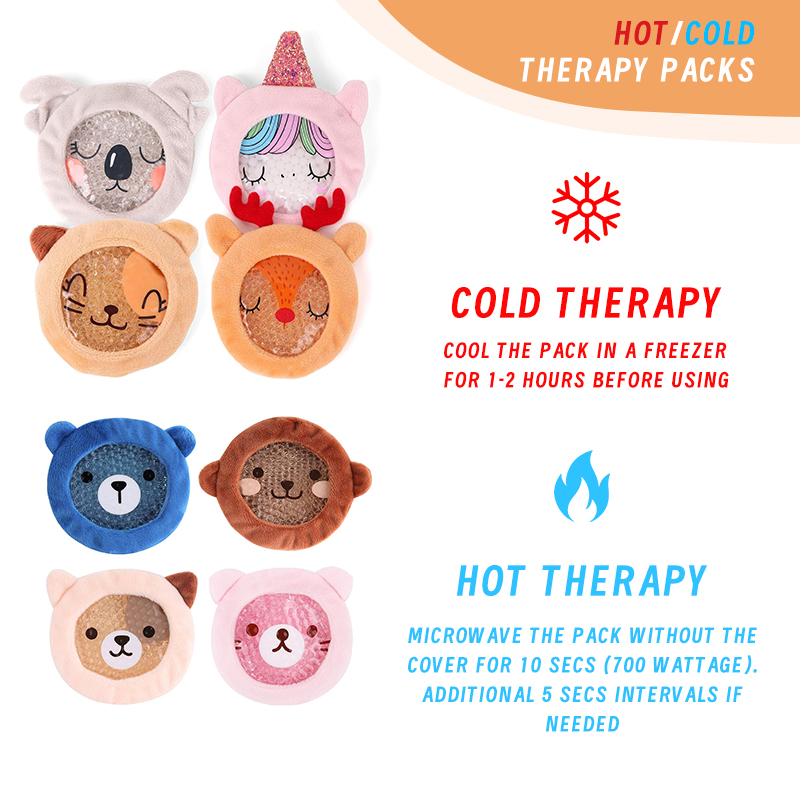
Traditional ice cubes have long been the go-to solution for cooling needs, but they come with significant limitations that become apparent in many practical applications. When ice begins to melt, it creates unwanted water that can damage sensitive items, create slippery surfaces, and require constant cleanup. A gel ice pack represents a revolutionary advancement in cooling technology, offering superior performance through controlled temperature distribution and mess-free operation that addresses the fundamental shortcomings of conventional ice.
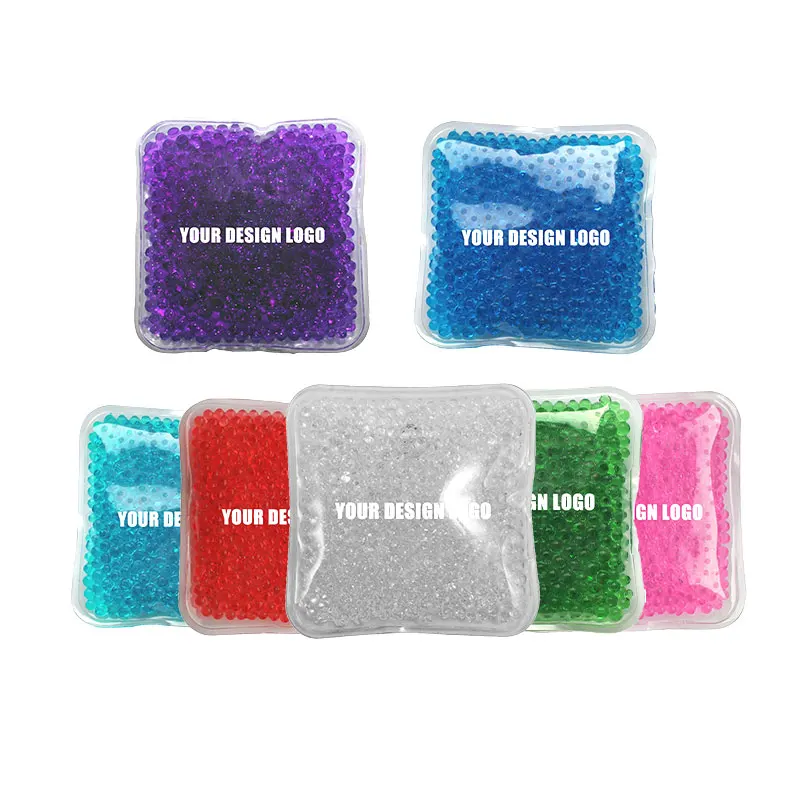
The superiority of gel ice pack technology lies in its unique composition and thermal properties that deliver consistent cooling without the inherent problems of melting ice. Unlike traditional ice cubes that reach a fixed melting point and immediately begin creating liquid water, gel ice packs maintain their structural integrity while providing steady temperature control. This fundamental difference makes gel ice packs the preferred choice for medical applications, food transport, sports recovery, and countless other scenarios where reliable cooling without mess is essential.
The Science Behind Superior Gel Ice Pack Performance
Advanced Gel Composition and Thermal Properties
The remarkable performance of a gel ice pack stems from its sophisticated internal composition, typically featuring a specialized polymer gel that absorbs and retains cold temperatures more efficiently than water-based ice. This gel matrix contains cross-linked polymer chains that can hold significantly more thermal energy while maintaining a stable physical state. When frozen, the gel ice pack reaches temperatures comparable to traditional ice but maintains these temperatures for extended periods without phase change complications.
The polymer gel structure allows for controlled thermal release, meaning the cooling effect is distributed gradually and evenly across the entire surface area. This contrasts sharply with ice cubes, which create uneven cold spots and rapidly lose their cooling capacity as they melt. The gel ice pack maintains consistent temperature distribution throughout its use cycle, ensuring that items being cooled receive uniform thermal treatment rather than experiencing hot and cold zones.
Controlled Temperature Regulation Mechanisms
Temperature regulation in gel ice pack systems operates through sophisticated heat absorption principles that surpass traditional ice cube performance. The gel medium can be engineered to maintain specific temperature ranges, allowing for precise cooling control that matches the requirements of different applications. Medical gel ice packs, for instance, can be formulated to stay within therapeutic temperature ranges that maximize healing benefits while preventing tissue damage.
The thermal mass of a quality gel ice pack provides sustained cooling power that outlasts conventional ice by significant margins. While ice cubes begin losing effectiveness immediately upon removal from freezing conditions, gel ice packs maintain their cooling capacity for hours longer. This extended performance eliminates the need for frequent replacements and provides reliable cooling throughout extended use periods, making them ideal for professional applications where consistent performance is critical.
Elimination of Dripping and Mess-Related Problems
Structural Integrity During Temperature Changes
One of the most significant advantages of gel ice pack technology is its ability to maintain structural integrity throughout the entire cooling cycle. Unlike ice cubes that inevitably transition from solid to liquid state, creating unwanted water accumulation, gel ice packs remain contained within their protective outer shell. This containment prevents the mess and damage associated with melting ice while ensuring that the cooling medium stays exactly where it needs to be.
The polymer gel formulation undergoes thermal changes without losing its cohesive properties, meaning that even as it warms, it remains a controlled substance rather than becoming free-flowing liquid. This characteristic is particularly valuable in medical settings where sterile conditions must be maintained, in food service where contamination risks must be minimized, and in electronic cooling applications where any liquid contact could cause damage.
Professional Applications Requiring Mess-Free Cooling
Professional environments demand cooling solutions that deliver performance without creating operational complications, making gel ice pack technology essential for numerous industries. Healthcare facilities rely on gel ice packs for post-surgical recovery, physical therapy treatments, and emergency medical care because they provide therapeutic cooling without the risk of water damage to medical equipment or patient areas. The controlled cooling and mess-free operation ensure that medical protocols can be followed without interruption.
Food service and catering operations benefit enormously from gel ice pack reliability, as these cooling systems maintain food safety standards without creating water accumulation that could compromise food quality or create slip hazards. Unlike traditional ice that can dilute beverages or create soggy conditions around food items, gel ice packs provide pure cooling effect without any moisture-related complications. This makes them indispensable for buffet service, outdoor catering events, and food transport operations.
Even Cooling Distribution and Temperature Consistency
Uniform Surface Temperature Management
The even cooling distribution achieved by a gel ice pack represents a significant technological advancement over the uneven thermal patterns created by traditional ice cubes. Gel ice pack surfaces maintain consistent temperatures across their entire area because the internal gel medium distributes thermal energy uniformly through its polymer matrix. This eliminates the hot spots and cold zones that commonly occur with ice cube cooling, where direct contact areas become extremely cold while surrounding areas remain relatively warm.
This uniform temperature distribution is particularly crucial for therapeutic applications where consistent cooling temperatures are necessary for effective treatment. Physical therapy protocols often require specific temperature ranges maintained for precise durations, something that ice cubes cannot reliably provide due to their uneven melting patterns and temperature variations. Gel ice pack technology ensures that therapeutic cooling remains within optimal ranges throughout the treatment period.
Extended Cooling Duration and Performance Stability
The cooling duration provided by gel ice pack systems far exceeds that of traditional ice cubes due to the superior thermal retention properties of polymer gel formulations. While ice cubes begin losing cooling effectiveness within minutes of application and completely melt within relatively short timeframes, gel ice packs maintain their cooling capacity for hours. This extended performance reduces the frequency of cooling system replacements and provides more reliable thermal management for extended applications.
Performance stability throughout the cooling cycle ensures that gel ice pack systems deliver consistent results from initial application through the end of their effective period. This predictable performance characteristic allows users to plan cooling requirements accurately and rely on consistent thermal management without monitoring for effectiveness degradation. The stable performance profile makes gel ice packs particularly valuable for overnight cooling applications, long-distance transport, and situations where cooling system replacement is impractical.
Practical Advantages in Real-World Applications
Medical and Therapeutic Use Cases
Medical applications showcase the superior performance characteristics of gel ice pack technology in scenarios where cooling precision and reliability are absolutely critical. Post-operative care protocols frequently specify gel ice pack use because they provide controlled cooling that promotes healing without the risks associated with traditional ice applications. The consistent temperature delivery helps reduce inflammation and manage pain while eliminating the infection risks that can arise from melted ice water contamination.
Sports medicine and physical therapy rely heavily on gel ice pack technology for injury treatment and recovery protocols. Athletic trainers prefer gel ice packs because they conform to body contours better than rigid ice cubes, providing more effective cooling coverage for injured areas. The extended cooling duration allows for proper treatment protocols without interruption, while the mess-free operation ensures that treatment areas remain clean and professional throughout therapy sessions.
Commercial and Industrial Cooling Applications
Commercial cooling requirements often demand the superior performance characteristics that only gel ice pack technology can provide. Food distribution companies utilize gel ice packs for temperature-sensitive shipments because they maintain cold chain integrity without the weight and mess complications of traditional ice. The reliable cooling performance ensures product quality throughout transport while eliminating the logistics complications associated with ice drainage and cleanup.
Industrial processes that require precise temperature control benefit from gel ice pack consistency and reliability. Laboratory applications, pharmaceutical transport, and sensitive equipment cooling all require the predictable performance that gel ice pack systems deliver. The elimination of water-related complications protects valuable equipment and materials while ensuring that temperature requirements are met consistently throughout operational periods.
FAQ
How long does a gel ice pack stay cold compared to regular ice cubes?
A quality gel ice pack typically maintains effective cooling temperatures for 2-4 hours longer than equivalent amounts of ice cubes, with high-performance models providing cooling for up to 8-12 hours depending on ambient conditions. The polymer gel composition retains thermal energy more efficiently than water-based ice, while the contained design prevents rapid heat transfer that causes ice cubes to melt quickly.
Can gel ice packs be safely used directly on skin like ice cubes?
Gel ice packs should be wrapped in a thin cloth or towel before direct skin contact, similar to ice cube applications, to prevent frostbite or cold burns. However, gel ice packs provide more consistent temperature control than ice cubes, reducing the risk of extreme temperature exposure. Many therapeutic gel ice packs are specifically designed with flexible materials that conform safely to body contours for medical applications.
Do gel ice packs cool items as quickly as traditional ice cubes?
Gel ice packs provide comparable initial cooling rates to ice cubes but deliver superior sustained cooling performance over extended periods. While ice cubes may create slightly more intense initial cold contact, gel ice packs maintain consistent cooling temperatures throughout their use cycle, providing more effective overall thermal management for most practical applications.
Are gel ice packs more cost-effective than buying ice regularly?
Gel ice packs offer significant long-term cost advantages over purchasing ice regularly, as they can be reused hundreds of times with proper care. The initial investment in quality gel ice packs is typically recovered within months of regular use, while the superior cooling performance and mess-free operation provide additional value through reduced cleanup time and eliminated water damage risks.