
 EN
EN

Understanding when to use a hot cold pack for optimal therapeutic benefits requires recognizing the specific physiological responses your body needs during different phases of injury, recovery, and pain management. The timing of hot cold pack application directly impacts inflammation control, pain relief, and tissue healing, making proper timing decisions crucial for achieving maximum therapeutic effectiveness.
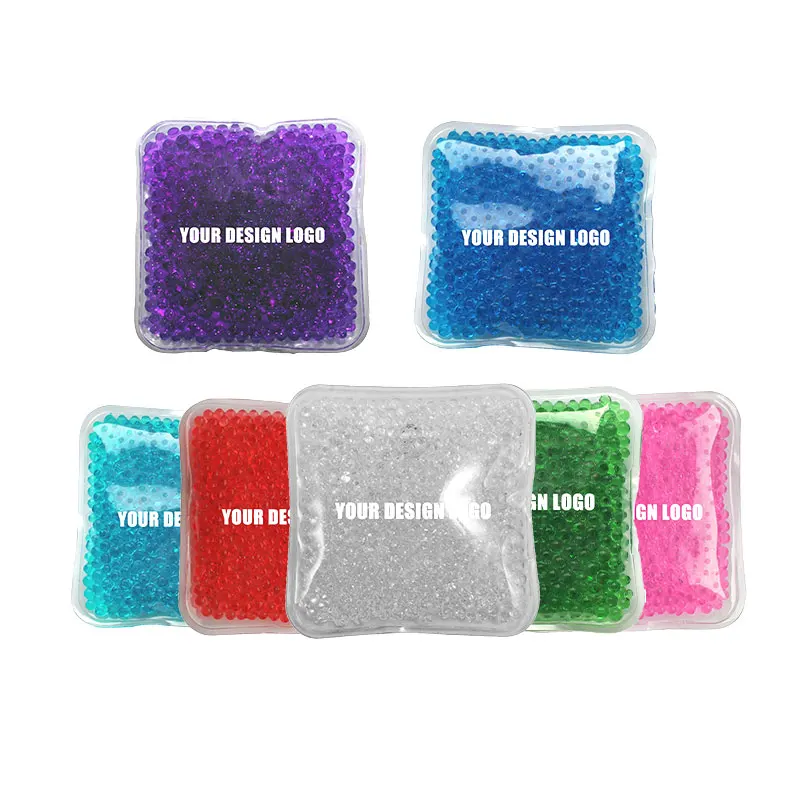
Professional healthcare providers and therapeutic specialists emphasize that the decision between hot and cold therapy applications depends on multiple factors including injury type, inflammation stage, pain characteristics, and individual physiological responses. A hot cold pack offers the versatility to address these varying therapeutic needs when applied at the appropriate times and under the right conditions.
Critical Timing Factors for Cold Therapy Application
Acute Injury Response Window
The most critical timing window for cold therapy using a hot cold pack occurs within the first 24 to 72 hours following an acute injury. During this acute inflammatory phase, cold application helps constrict blood vessels, reducing blood flow to the injured area and minimizing tissue swelling. The therapeutic window for cold therapy is most effective when applied immediately after injury occurrence, as delayed application reduces the anti-inflammatory benefits significantly.
Cold therapy from a hot cold pack should be applied for 15 to 20 minutes at intervals of 2 to 3 hours during the acute phase. This timing pattern allows tissues to return to normal temperature between applications while maintaining consistent therapeutic benefits. Extending cold application beyond 20 minutes can potentially cause tissue damage or reduce blood flow to levels that impair healing processes.
Professional athletic trainers recognize that the effectiveness of cold therapy timing varies based on injury severity and location. Superficial injuries may require shorter application periods, while deeper tissue injuries may benefit from the full 20-minute application window. The hot cold pack provides consistent temperature maintenance throughout these critical timing periods.
Post-Exercise Recovery Timing
Cold therapy timing for post-exercise recovery differs significantly from acute injury management protocols. The optimal timing for cold application using a hot cold pack occurs within 30 minutes after intense physical activity or training sessions. This timing window helps reduce exercise-induced inflammation and supports faster recovery processes.
Research indicates that cold therapy applied immediately after exercise provides superior benefits compared to delayed application. The physiological response to exercise creates an inflammatory cascade that responds most effectively to cold intervention when applied during the immediate post-exercise period. A hot cold pack used during this timing window helps regulate temperature and supports optimal recovery outcomes.
The duration of cold therapy for post-exercise recovery should range from 10 to 15 minutes, shorter than acute injury protocols. This reduced timing prevents excessive vasoconstriction while still providing anti-inflammatory benefits. Athletes and fitness professionals often incorporate hot cold pack applications into their regular post-workout routines during this specific timing window.
Optimal Heat Therapy Timing Strategies
Chronic Pain Management Windows
Heat therapy timing for chronic pain conditions requires a different approach than acute injury management. The optimal timing for heat application using a hot cold pack occurs when muscle stiffness, joint pain, or chronic discomfort reaches peak intensity levels. This typically happens during morning hours when joints are stiff or evening hours when accumulated tension creates discomfort.
Chronic pain management benefits most from heat therapy applied 20 to 30 minutes before physical activity or therapeutic exercises. This timing allows muscle tissues to warm effectively, improving flexibility and reducing pain sensitivity during movement. The hot cold pack provides sustained heat delivery that supports optimal tissue preparation and pain reduction.
Professional physical therapists recommend heat therapy sessions lasting 15 to 20 minutes for chronic pain management. This timing duration allows adequate tissue warming without causing excessive vasodilation or heat-related discomfort. Regular timing patterns help establish consistent therapeutic benefits for chronic pain conditions.
Pre-Activity Preparation Timing
Heat therapy timing for pre-activity preparation focuses on optimizing tissue readiness for physical demands. The ideal timing window for applying heat from a hot cold pack occurs 15 to 20 minutes before engaging in physical activity, exercise, or therapeutic movement sessions. This timing allows muscle tissues to reach optimal temperature levels for safe and effective performance.
The physiological benefits of pre-activity heat therapy reach peak effectiveness when tissues achieve temperature increases of 2 to 3 degrees Celsius above baseline levels. This temperature elevation typically occurs within the first 10 to 15 minutes of heat application, making timing precision crucial for optimal results. A hot cold pack maintains consistent heat delivery throughout this critical preparation period.
Professional sports medicine practitioners emphasize that heat therapy timing must coordinate with activity schedules to maintain therapeutic benefits. Heat application should conclude immediately before activity begins, as prolonged gaps between heat therapy and activity reduce the warming benefits. The hot cold pack design supports this timing requirement through efficient heat retention and application convenience.
Condition-Specific Timing Guidelines
Inflammatory Condition Timing
Inflammatory conditions require specific timing considerations when using a hot cold pack for therapeutic benefits. Active inflammatory processes respond most effectively to cold therapy during symptom flare-ups or peak inflammation periods. The timing of cold application should coincide with increased pain, swelling, or heat sensation in the affected area.
Chronic inflammatory conditions like arthritis benefit from alternating timing patterns that incorporate both hot and cold therapy. Cold therapy using the hot cold pack should be applied during acute flare-ups, while heat therapy proves most beneficial during stiffness periods between inflammatory episodes. This timing approach addresses both inflammatory symptoms and mobility limitations.
Medical professionals recommend monitoring inflammatory symptom patterns to optimize timing decisions for hot cold pack applications. Keeping timing logs helps identify peak inflammatory periods and optimal intervention windows. This systematic approach to timing improves therapeutic outcomes and reduces symptom severity over time.
Muscle Spasm Relief Timing
Muscle spasm conditions require immediate timing interventions for optimal therapeutic benefits. Heat therapy using a hot cold pack should be applied as soon as muscle spasms begin, as early intervention prevents spasm escalation and reduces duration. The timing of heat application directly correlates with spasm resolution speed and pain reduction effectiveness.
Muscle spasm relief protocols typically require heat therapy sessions lasting 20 to 25 minutes during active spasm episodes. This extended timing duration allows muscle tissues to relax progressively and break the spasm cycle effectively. The hot cold pack provides sustained heat delivery that supports continuous muscle relaxation throughout the treatment period.
Preventive timing strategies for recurring muscle spasms involve applying heat therapy before known trigger periods or high-risk activities. This proactive timing approach helps prevent spasm occurrence by maintaining optimal muscle temperature and flexibility. Regular hot cold pack applications using preventive timing patterns reduce spasm frequency and severity significantly.
Advanced Timing Techniques and Protocols
Contrast Therapy Timing Sequences
Contrast therapy using a hot cold pack involves alternating between hot and cold applications within specific timing sequences to maximize therapeutic benefits. The optimal contrast timing pattern begins with cold therapy for 3 to 5 minutes, followed immediately by heat therapy for 3 to 5 minutes, repeating this cycle 3 to 4 times per session.
Professional rehabilitation specialists emphasize that contrast therapy timing must maintain consistent intervals to achieve optimal vascular response patterns. The alternating vasoconstriction and vasodilation effects depend on precise timing execution, making the hot cold pack an ideal tool for maintaining temperature transitions. Timing variations outside the recommended ranges reduce contrast therapy effectiveness significantly.
Advanced contrast therapy protocols may extend timing sequences based on specific therapeutic goals and patient responses. Chronic circulation issues may benefit from longer heat phases, while acute inflammation conditions may require longer cold phases within the contrast sequence. The versatility of a hot cold pack supports these timing modifications while maintaining therapeutic consistency.
Circadian Rhythm Considerations
Circadian rhythm patterns influence optimal timing decisions for hot cold pack applications in therapeutic settings. Natural body temperature fluctuations throughout the day affect tissue responsiveness to temperature therapies, making timing alignment with circadian cycles beneficial for enhanced therapeutic outcomes.
Morning hours typically benefit from heat therapy using a hot cold pack to address overnight stiffness and prepare tissues for daily activities. Evening applications may focus on cold therapy to reduce accumulated inflammation and support recovery processes during sleep periods. Understanding these natural timing patterns helps optimize therapeutic benefits.
Individual circadian patterns vary significantly, requiring personalized timing approaches for optimal hot cold pack utilization. Monitoring personal energy levels, pain patterns, and tissue responses helps identify individual optimal timing windows for different therapeutic applications. This personalized timing approach maximizes therapeutic effectiveness while accommodating individual physiological variations.
FAQ
How long should I wait between hot and cold therapy applications when using a hot cold pack?
Wait at least 15 to 20 minutes between switching from cold to heat therapy, and 10 to 15 minutes when switching from heat to cold therapy. This timing allows tissues to return to baseline temperature and prevents temperature shock. For contrast therapy, immediate transitions are appropriate as part of the therapeutic protocol, but single-therapy applications require adequate recovery time between temperature changes.
What time of day provides the best therapeutic benefits when using a hot cold pack?
The optimal timing depends on your therapeutic goals and condition type. Morning applications work best for addressing overnight stiffness using heat therapy, while evening applications are ideal for reducing daily accumulated inflammation using cold therapy. Post-exercise timing within 30 minutes provides optimal recovery benefits, regardless of the time of day the activity occurs.
How frequently should I use a hot cold pack during acute injury recovery?
During the first 24 to 72 hours of acute injury, apply cold therapy every 2 to 3 hours for 15 to 20 minutes per session. After the acute inflammatory phase subsides, transition to heat therapy 2 to 3 times daily for 15 to 20 minutes per session. Monitor your symptoms and adjust frequency based on pain levels, swelling, and tissue response to treatment.
Can I use a hot cold pack immediately before bedtime for pain relief?
Yes, but choose the temperature based on your specific needs and avoid timing that disrupts sleep. Heat therapy 30 to 60 minutes before bedtime can help relax muscles and reduce chronic pain, promoting better sleep quality. Avoid cold therapy immediately before bedtime as it can increase alertness and interfere with natural sleep onset processes. Allow at least 2 hours between cold therapy and bedtime for optimal sleep benefits.
Table of Contents
- Critical Timing Factors for Cold Therapy Application
- Optimal Heat Therapy Timing Strategies
- Condition-Specific Timing Guidelines
- Advanced Timing Techniques and Protocols
-
FAQ
- How long should I wait between hot and cold therapy applications when using a hot cold pack?
- What time of day provides the best therapeutic benefits when using a hot cold pack?
- How frequently should I use a hot cold pack during acute injury recovery?
- Can I use a hot cold pack immediately before bedtime for pain relief?