
 EN
EN
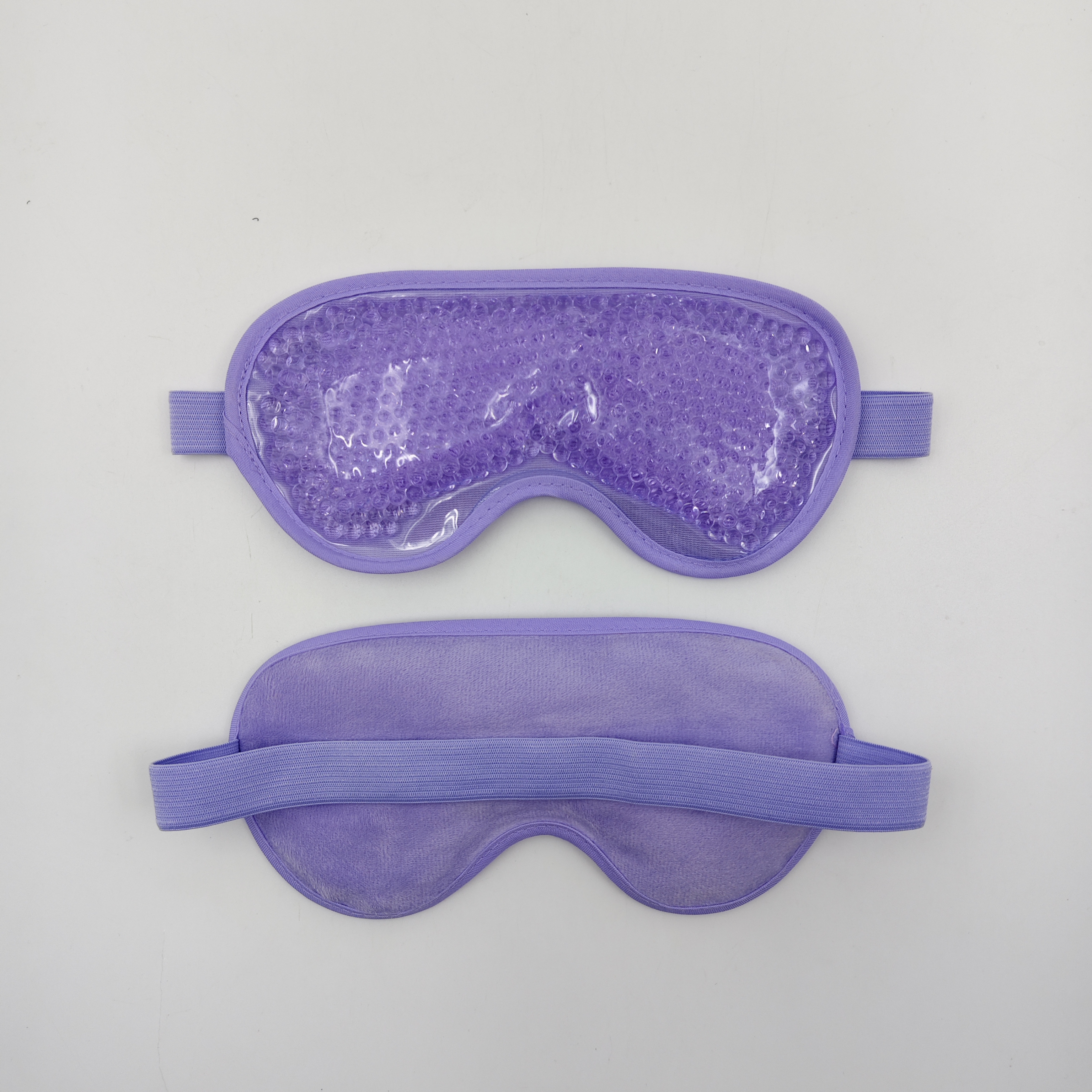
Cold therapy has been a cornerstone of injury treatment and pain management for centuries, with medical professionals and athletes alike recognizing its profound benefits. Using an ice pack represents one of the most accessible and effective methods for managing acute injuries, post-surgical recovery, and chronic pain conditions. The therapeutic application of cold through ice packs triggers physiological responses that significantly reduce inflammation, numb pain receptors, and accelerate healing processes. Modern ice pack technology has evolved to provide consistent, controlled cooling that maximizes therapeutic benefits while ensuring user safety and comfort.
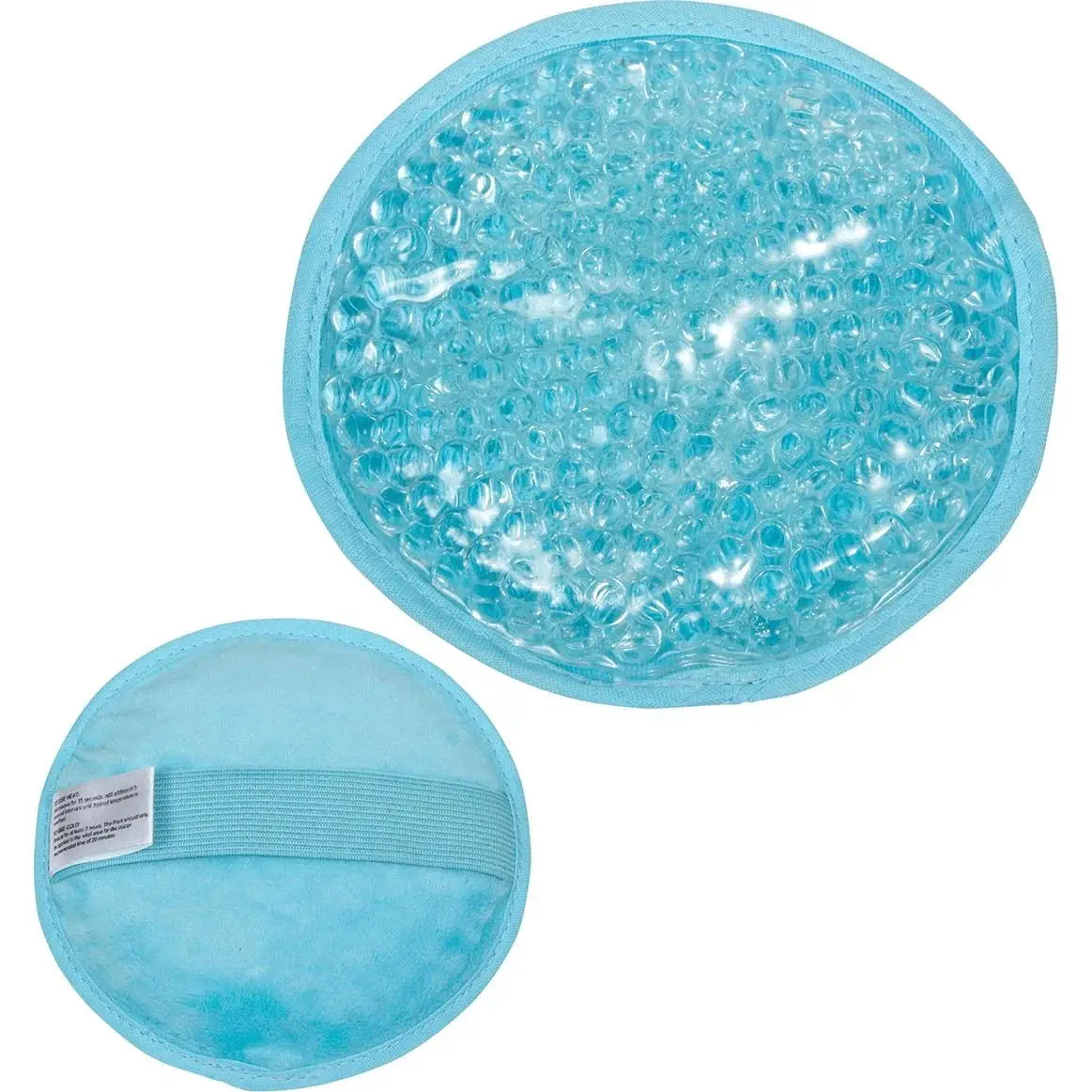
Physiological Benefits of Cold Therapy
Vasoconstriction and Blood Flow Management
When an ice pack is applied to injured tissue, it induces vasoconstriction, causing blood vessels to narrow and reduce blood flow to the affected area. This physiological response is crucial in the immediate aftermath of an injury, as it helps minimize tissue damage and prevents excessive bleeding into surrounding tissues. The controlled reduction in blood flow also limits the delivery of inflammatory mediators to the injury site, effectively slowing the cascade of events that leads to prolonged swelling and pain.
The vasoconstrictor effect of ice pack therapy extends beyond immediate injury management. Regular application can help manage chronic inflammatory conditions by providing periodic relief from excessive blood flow that contributes to ongoing tissue irritation. Healthcare professionals often recommend ice pack therapy as part of comprehensive treatment protocols because of its ability to create predictable vascular responses that support healing.
Metabolic Rate Reduction
Cold therapy through ice pack application significantly reduces cellular metabolic rate in treated tissues. This reduction in metabolism decreases the oxygen and nutrient demands of cells in the affected area, which is particularly beneficial when blood supply is already compromised due to injury or inflammation. By lowering metabolic demands, an ice pack helps prevent secondary tissue damage that can occur when injured cells cannot meet their energy requirements.
The metabolic slowdown induced by ice pack therapy also reduces the production of inflammatory byproducts and cellular waste that can accumulate in injured tissues. This creates a more favorable environment for healing by reducing the toxic load on already stressed cells and allowing natural repair mechanisms to function more effectively.
Pain Relief Mechanisms
Neural Pathway Interference
An ice pack provides pain relief through multiple neural mechanisms, with the most significant being the gate control theory of pain. Cold stimulation activates large-diameter nerve fibers that transmit non-painful sensations, effectively closing the neural gates that would otherwise allow pain signals to reach the brain. This interference occurs at the spinal cord level, where competing sensory inputs can block the transmission of pain signals before they reach conscious awareness.
The numbing effect of ice pack therapy also directly affects nerve conduction velocity, slowing the transmission of pain signals along nerve fibers. As tissue temperature decreases, nerve conduction slows significantly, reducing both the intensity and frequency of pain signals reaching the central nervous system. This dual mechanism makes ice pack therapy particularly effective for acute pain management.
Endorphin Release and Natural Analgesia
Cold therapy stimulates the release of endorphins, the body's natural pain-relieving chemicals. When an ice pack is applied, the initial cold shock triggers a stress response that includes endorphin production, creating a natural analgesic effect that can last well beyond the duration of cold application. This endogenous pain relief system provides sustained comfort without the need for pharmaceutical interventions.
The endorphin response to ice pack therapy also contributes to improved mood and reduced anxiety associated with pain conditions. Many patients report feeling more positive and relaxed following cold therapy sessions, which can be attributed to both pain relief and the mood-enhancing effects of endorphin release.
Anti-Inflammatory Properties
Inflammatory Mediator Suppression
Ice pack application effectively suppresses the production and activity of inflammatory mediators such as prostaglandins, leukotrienes, and cytokines. These biochemical compounds are responsible for initiating and maintaining the inflammatory response, and their reduction through cold therapy helps control excessive inflammation that can impede healing. The cooling effect slows enzymatic reactions involved in inflammatory cascades, providing a natural anti-inflammatory effect without systemic side effects.
The suppression of inflammatory mediators through ice pack therapy also helps prevent the development of chronic inflammatory conditions. By intervening early in the inflammatory process, cold therapy can help break the cycle of inflammation that often perpetuates pain and tissue damage in chronic conditions.
Cellular Protection and Membrane Stabilization
Cold therapy provides cellular protection by stabilizing cell membranes and reducing membrane permeability. An ice pack application helps maintain cellular integrity by preventing excessive fluid loss and reducing the influx of inflammatory cells into tissues. This membrane stabilization effect is particularly important in preventing secondary tissue damage that can occur hours or days after an initial injury.
The protective effect of ice pack therapy extends to mitochondrial function, where cold exposure can help preserve cellular energy production and prevent apoptosis in stressed cells. This cellular protection contributes to faster recovery times and reduced long-term tissue damage following injuries.
Practical Applications and Effectiveness
Acute Injury Management
Ice pack therapy is most effective when applied immediately following acute injuries such as sprains, strains, bruises, and minor fractures. The rapid application of cold therapy helps minimize initial tissue damage and sets the stage for optimal healing. Sports medicine professionals routinely use ice pack protocols as part of immediate injury management, often following the RICE principle where ice represents a crucial component of early intervention.
The effectiveness of ice pack therapy in acute injury management depends on proper timing, duration, and technique. Research demonstrates that ice pack application within the first 48 hours following injury provides maximum benefit for controlling swelling and pain. The cooling effect helps prevent the formation of excessive scar tissue and maintains tissue flexibility during the healing process.
Post-Surgical Recovery Enhancement
Healthcare facilities increasingly incorporate ice pack therapy into post-surgical care protocols due to its proven ability to reduce post-operative pain and swelling. Following surgical procedures, controlled cold therapy helps manage the inflammatory response while reducing the need for pharmaceutical pain management. This application is particularly valuable in orthopedic surgeries where joint mobility and tissue healing are primary concerns.
The use of ice pack therapy in post-surgical recovery also contributes to improved patient satisfaction and faster return to normal activities. By effectively managing post-operative discomfort, cold therapy helps patients achieve rehabilitation goals more quickly and with greater comfort throughout the recovery process.
Long-Term Benefits and Recovery Optimization
Chronic Pain Management
For individuals dealing with chronic pain conditions such as arthritis, fibromyalgia, or repetitive strain injuries, regular ice pack therapy can provide significant long-term benefits. The cumulative effects of consistent cold therapy help break pain cycles and reduce the overall inflammatory burden on affected tissues. Many chronic pain sufferers find that incorporating ice pack therapy into their daily routine helps maintain better function and quality of life.
The long-term application of ice pack therapy for chronic conditions requires careful consideration of treatment protocols and individual response patterns. Healthcare providers often recommend alternating cold therapy with other modalities to maximize therapeutic benefits while preventing tissue adaptation that could reduce treatment effectiveness over time.
Athletic Performance and Recovery
Athletes across all disciplines utilize ice pack therapy as an integral component of training and recovery protocols. The ability of cold therapy to reduce exercise-induced inflammation and accelerate recovery between training sessions makes it valuable for maintaining consistent performance levels. Ice pack application following intense training helps clear metabolic byproducts from muscles and reduces the delayed onset muscle soreness that can impair subsequent performance.
The integration of ice pack therapy into athletic training programs also helps prevent overuse injuries by managing cumulative tissue stress. Regular cold therapy sessions can help identify developing problems before they become significant injuries, allowing athletes to maintain training consistency while protecting long-term health.
Safety Considerations and Best Practices
Proper Application Techniques
Effective ice pack therapy requires understanding proper application techniques to maximize benefits while ensuring safety. The general recommendation involves applying cold therapy for 15-20 minute intervals with adequate rest periods between applications to prevent tissue damage. Using a thin barrier such as a cloth between the ice pack and skin helps prevent frostbite while maintaining therapeutic cooling effects.
Temperature monitoring during ice pack application is crucial for preventing adverse effects. The ideal therapeutic temperature range maintains tissue cooling without causing cellular damage, typically achieved through properly designed ice pack systems that provide controlled cooling. Modern ice pack technology incorporates features that help maintain optimal therapeutic temperatures throughout treatment sessions.
Individual Assessment and Contraindications
While ice pack therapy is generally safe for most individuals, certain conditions require careful assessment before implementing cold therapy protocols. Individuals with circulatory disorders, diabetes, or reduced sensation may require modified approaches to prevent complications. Healthcare providers should evaluate individual risk factors and provide specific guidance for safe ice pack use.
Understanding contraindications for ice pack therapy helps prevent potential complications while ensuring appropriate treatment selection. Conditions such as Raynaud's phenomenon, cold urticaria, or severe cardiovascular disease may require alternative approaches to pain and inflammation management.
FAQ
How long should ice pack therapy be applied for optimal results
Ice pack therapy should typically be applied for 15-20 minutes at a time, with breaks of at least 45-60 minutes between applications. This timing prevents tissue damage while maximizing therapeutic benefits. For acute injuries, ice pack applications can be repeated every 2-3 hours during the first 48 hours following injury. Longer applications may cause tissue damage, while shorter durations may not provide adequate therapeutic effect.
Can ice pack therapy be harmful if used incorrectly
Yes, improper ice pack use can cause tissue damage including frostbite, nerve damage, or circulatory complications. Always use a barrier between the ice pack and skin, limit application time to recommended durations, and discontinue use if excessive numbness, burning, or skin color changes occur. Individuals with certain medical conditions should consult healthcare providers before beginning ice pack therapy regimens.
What conditions benefit most from regular ice pack therapy
Ice pack therapy is most beneficial for acute injuries, post-surgical recovery, sports-related inflammation, and certain chronic inflammatory conditions. Conditions such as sprains, strains, arthritis flares, tendinitis, and post-exercise muscle soreness respond particularly well to cold therapy. The anti-inflammatory and pain-relieving properties of ice pack therapy make it valuable for managing both acute and chronic pain conditions.
How does ice pack therapy compare to heat therapy for pain relief
Ice pack therapy is generally more effective for acute injuries and inflammatory conditions, while heat therapy works better for chronic muscle tension and stiffness. Ice pack application reduces inflammation and numbs pain, making it ideal for fresh injuries and swollen tissues. Heat therapy increases blood flow and muscle relaxation, making it better suited for chronic pain and muscle spasms. The choice between cold and heat therapy depends on the specific condition and timing of treatment.