
 EN
EN

Effective temperature therapy has become an essential component of modern healthcare and athletic performance, with the hot cold pack emerging as one of the most versatile therapeutic tools available. These innovative devices provide both heating and cooling capabilities in a single package, making them indispensable for addressing various injuries, chronic conditions, and wellness needs. Understanding how to properly utilize a hot cold pack can significantly enhance recovery outcomes and provide immediate relief for numerous ailments.
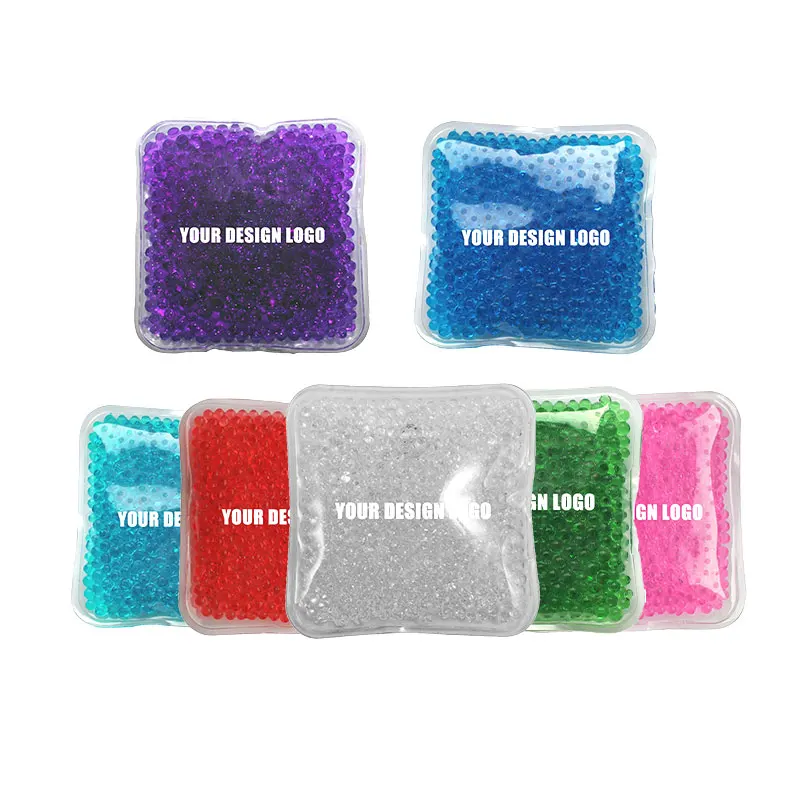
The therapeutic benefits of alternating between hot and cold treatments have been recognized for centuries, but modern technology has revolutionized how we deliver these treatments. Today's hot cold pack designs incorporate advanced gel formulations and flexible materials that maintain therapeutic temperatures while conforming to body contours. This advancement allows for more targeted treatment and improved patient comfort during therapy sessions.
Professional healthcare providers and athletes alike rely on these temperature therapy tools to manage pain, reduce inflammation, and accelerate healing processes. The convenience of having both hot and cold therapy options in one device eliminates the need for multiple products and ensures that appropriate treatment is always readily available when needed.
Understanding Temperature Therapy Fundamentals
Heat Therapy Applications and Benefits
Heat therapy works by increasing blood flow to the targeted area, which promotes healing and reduces muscle tension. When applying a hot cold pack in its heating mode, the warmth penetrates deep into tissues, helping to relax tight muscles and improve flexibility. This increased circulation delivers essential nutrients and oxygen to injured tissues while simultaneously removing metabolic waste products that can contribute to pain and inflammation.
The therapeutic effects of heat application extend beyond immediate pain relief. Regular use of heat therapy can help maintain joint mobility, prevent muscle stiffness, and prepare tissues for physical activity. This makes the hot cold pack particularly valuable for individuals with chronic conditions such as arthritis, fibromyalgia, or persistent muscle tension.
Heat therapy is most effective when applied before physical activity or exercise, as it helps warm up muscles and increase tissue elasticity. The warmth also triggers the release of endorphins, which are the body's natural pain-relieving chemicals, providing both physical and psychological benefits during treatment.
Cold Therapy Mechanisms and Applications
Cold therapy operates through vasoconstriction, reducing blood flow to limit inflammation and numb pain receptors in the affected area. When using a hot cold pack in cooling mode, the cold temperature helps minimize swelling by reducing cellular metabolism and limiting the inflammatory response. This mechanism is particularly effective immediately following acute injuries or during the inflammatory phase of healing.
The numbing effect of cold therapy provides immediate pain relief by temporarily blocking nerve signals that transmit pain sensations to the brain. This allows individuals to move more comfortably and engage in gentle rehabilitation exercises that might otherwise be too painful to perform.
Cold application also helps reduce muscle spasms by decreasing the excitability of nerve endings and muscle fibers. This calming effect on overactive tissues makes the hot cold pack an excellent tool for managing acute injuries, post-workout soreness, and inflammatory conditions.
Sports Therapy Applications
Pre-Exercise Preparation Protocols
Professional athletes and fitness enthusiasts utilize hot cold pack therapy as part of comprehensive pre-exercise routines to optimize performance and prevent injuries. Heat application before training sessions helps increase muscle temperature and flexibility, reducing the risk of strains and tears during intense physical activity. The warming effect enhances muscle contractility and improves coordination between muscle groups.
Targeted heat therapy to specific muscle groups can address known problem areas or previous injury sites that require extra attention before exercise. Many athletes incorporate a hot cold pack routine into their warm-up protocol to ensure optimal tissue preparation and mental readiness for training or competition.
The psychological benefits of pre-exercise temperature therapy should not be underestimated. The ritualistic nature of preparation helps athletes focus and mentally prepare for performance while the physical warmth creates a sense of readiness and confidence in their body's capabilities.
Post-Exercise Recovery Strategies
Immediately following intense exercise or training, cold therapy becomes the primary focus for managing inflammation and accelerating recovery. The hot cold pack provides convenient access to therapeutic cold temperatures that help reduce exercise-induced inflammation and minimize delayed onset muscle soreness. This immediate intervention can significantly impact recovery time and subsequent performance capacity.
The timing of cold application is crucial for maximum effectiveness. Research indicates that applying cold therapy within the first 15-30 minutes after exercise provides optimal anti-inflammatory benefits. The hot cold pack's ability to maintain consistent therapeutic temperatures ensures that this critical window is utilized effectively.
Advanced recovery protocols often incorporate alternating hot and cold treatments, known as contrast therapy. This approach uses the hot cold pack to cycle between temperatures, promoting enhanced circulation and accelerated waste product removal from exercised muscles. The alternating stimulation helps optimize the healing response while maintaining flexibility and range of motion.
Injury Management in Athletic Settings
When acute injuries occur during sports activities, proper application of cold therapy using a hot cold pack can significantly influence healing outcomes. The immediate goal is to control inflammation and pain while preventing secondary tissue damage. Cold application should be initiated as quickly as possible following injury recognition, with the hot cold pack providing reliable temperature control for this critical intervention.
Different types of sports injuries require specific temperature therapy approaches. Acute traumatic injuries such as sprains, strains, and contusions benefit from immediate cold therapy, while chronic overuse injuries may respond better to heat therapy or alternating temperature treatments. Understanding these distinctions helps optimize the therapeutic benefits of hot cold pack application.
The convenience and portability of modern hot cold pack designs make them ideal for sideline treatment and immediate injury management. Sports medicine professionals can quickly assess injury severity and initiate appropriate temperature therapy without delay, potentially preventing more serious complications and reducing overall recovery time.
Daily Care and Chronic Condition Management
Arthritis and Joint Pain Relief
Individuals living with arthritis find significant relief through strategic hot cold pack application as part of their daily management routine. Morning stiffness, a common arthritis symptom, responds well to gentle heat therapy that helps loosen joints and reduce pain before daily activities begin. The penetrating warmth helps maintain joint mobility and prevents the progression of stiffness throughout the day.
During arthritis flare-ups characterized by increased inflammation and swelling, cold therapy becomes more appropriate for managing symptoms. The hot cold pack's dual functionality allows users to adapt their treatment approach based on current symptom patterns and inflammatory status, providing personalized relief when needed most.
Chronic arthritis management often benefits from scheduled temperature therapy sessions using the hot cold pack. Regular application helps maintain joint function, reduces overall pain levels, and may slow the progression of degenerative changes when combined with appropriate medical treatment and lifestyle modifications.
Headache and Migraine Management
Tension headaches and migraines respond differently to temperature therapy, making the versatility of a hot cold pack particularly valuable for headache sufferers. Tension headaches often result from muscle tightness in the neck and shoulders, making heat therapy effective for addressing the underlying muscle tension that contributes to head pain.
Migraine episodes frequently involve vascular changes and inflammation that respond well to cold therapy applied to the head, neck, or temples. The numbing effect of cold can interrupt pain signals while the anti-inflammatory properties help address the underlying vascular dysfunction associated with migraine episodes.
Many individuals develop personalized headache management protocols that incorporate both hot and cold applications depending on headache type and severity. The hot cold pack provides the flexibility needed to adapt treatment approaches as headache patterns change or evolve over time.
Sleep Quality and Relaxation Enhancement
Temperature therapy using a hot cold pack can significantly impact sleep quality and overall relaxation. Gentle heat application before bedtime helps relax tense muscles and creates a sense of comfort that facilitates the transition to sleep. This is particularly beneficial for individuals who experience physical tension or anxiety that interferes with sleep initiation.
The timing and duration of evening temperature therapy requires careful consideration to maximize benefits without disrupting natural temperature regulation. The hot cold pack should be applied early enough in the evening routine to allow body temperature to normalize before attempting sleep, as excessive heat retention can interfere with natural circadian rhythms.
Regular incorporation of temperature therapy into bedtime routines can help establish healthy sleep patterns and improve overall sleep quality. The relaxation response triggered by appropriate hot cold pack application contributes to both physical and mental preparation for restorative sleep.
Proper Application Techniques
Temperature Control and Safety Guidelines
Safe and effective hot cold pack application requires understanding proper temperature ranges and exposure durations to prevent tissue damage while maximizing therapeutic benefits. Heat therapy should maintain temperatures between 104-113°F (40-45°C), while cold therapy should remain between 50-60°F (10-15°C) for optimal therapeutic effects without risking frostbite or burns.
Duration guidelines vary based on treatment goals and individual tolerance, but general recommendations suggest 15-20 minutes for most applications. Longer exposures may lead to tissue damage or rebound effects that counteract therapeutic benefits. The hot cold pack should never be applied directly to skin without appropriate barrier protection to prevent temperature-related injuries.
Individual factors such as age, circulation status, and skin sensitivity influence appropriate application parameters. Elderly individuals, those with diabetes, or people with circulation disorders require modified protocols to ensure safe treatment. Regular monitoring during hot cold pack application helps prevent adverse reactions and ensures therapeutic goals are achieved.
Positioning and Coverage Strategies
Effective positioning of the hot cold pack requires consideration of treatment objectives, anatomical structures, and patient comfort. The device should conform to body contours while maintaining consistent contact with target tissues. Proper positioning ensures even temperature distribution and maximizes therapeutic contact area.
Different body regions require specific positioning strategies to optimize treatment effectiveness. Spinal applications benefit from segmental coverage that follows natural curvatures, while joint treatments require positioning that addresses both anterior and posterior surfaces when possible. The flexible design of quality hot cold pack products facilitates proper positioning across various anatomical locations.
Patient positioning should promote relaxation and comfort throughout the treatment session. Uncomfortable positions can create muscle tension that counteracts therapeutic benefits and reduces treatment compliance. Proper support using pillows, cushions, or positioning aids helps maintain optimal hot cold pack placement while ensuring patient comfort.
Maximizing Therapeutic Outcomes
Treatment Frequency and Scheduling
Optimal therapeutic outcomes from hot cold pack application depend on appropriate treatment frequency and consistent scheduling that aligns with healing phases and symptom patterns. Acute injuries typically require frequent cold applications during the first 24-72 hours, followed by a gradual transition to heat therapy as inflammation subsides and healing progresses.
Chronic conditions often benefit from regular, scheduled hot cold pack sessions that maintain tissue health and prevent symptom exacerbation. Daily applications may be necessary during flare-ups, while maintenance schedules might involve 2-3 sessions per week to sustain therapeutic benefits and prevent condition progression.
Individual response patterns should guide treatment frequency adjustments, as some people respond better to more frequent, shorter sessions while others benefit from less frequent but longer applications. Monitoring symptom changes and functional improvements helps optimize hot cold pack treatment schedules for maximum effectiveness.
Integration with Other Therapies
Temperature therapy using a hot cold pack works synergistically with other therapeutic interventions to enhance overall treatment outcomes. Physical therapy exercises often become more effective when preceded by appropriate temperature preparation that improves tissue flexibility and reduces pain sensitivity. The combination approach maximizes rehabilitation potential while minimizing treatment discomfort.
Massage therapy and manual treatments benefit from hot cold pack preparation that relaxes tissues and improves therapist access to deeper structures. The enhanced blood flow from heat application or reduced sensitivity from cold therapy allows for more effective manual interventions and improved patient tolerance.
Medication effectiveness may be enhanced when combined with appropriate temperature therapy using a hot cold pack. Heat application can improve topical medication absorption, while cold therapy may reduce the need for oral pain medications by providing alternative pain relief mechanisms. This integrative approach often leads to better outcomes with reduced medication dependence.
FAQ
How long should I apply a hot cold pack for optimal results
The ideal application duration for a hot cold pack typically ranges from 15-20 minutes per session, though this may vary based on individual tolerance and treatment goals. For acute injuries, cold therapy sessions should not exceed 20 minutes to prevent tissue damage, while heat therapy can sometimes be extended slightly for chronic conditions. Always allow skin temperature to return to normal between applications, waiting at least 45-60 minutes before reapplying to the same area.
Can I use a hot cold pack if I have circulation problems or diabetes
Individuals with circulation disorders or diabetes should consult their healthcare provider before using a hot cold pack, as reduced sensation and impaired blood flow can increase the risk of temperature-related injuries. If approved for use, these individuals require shorter application times, lower temperature extremes, and more frequent monitoring during treatment. A protective barrier between the pack and skin is essential, and treatment should be discontinued immediately if any unusual sensations or skin changes occur.
What is the difference between using heat first versus cold first in treatment
The choice between heat and cold application depends on the type and stage of injury or condition being treated. Cold therapy should be used first for acute injuries, inflammation, or swelling to reduce tissue damage and control the inflammatory response. Heat therapy is more appropriate for chronic conditions, muscle tension, or before physical activity to improve flexibility and blood flow. When in doubt, the general rule is ice for injuries and heat for stiffness, though consulting with a healthcare professional can provide personalized guidance.
How do I know if my hot cold pack is maintaining the right temperature
A properly functioning hot cold pack should maintain consistent therapeutic temperatures throughout the recommended application period without becoming uncomfortably hot or cold against the skin. The pack should feel warm but not burning for heat therapy, and cool but not painfully cold for cold therapy. If the temperature becomes uncomfortable, causes skin color changes, or if you experience numbness or burning sensations, discontinue use immediately and allow the area to return to normal temperature before reassessing.