
 EN
EN
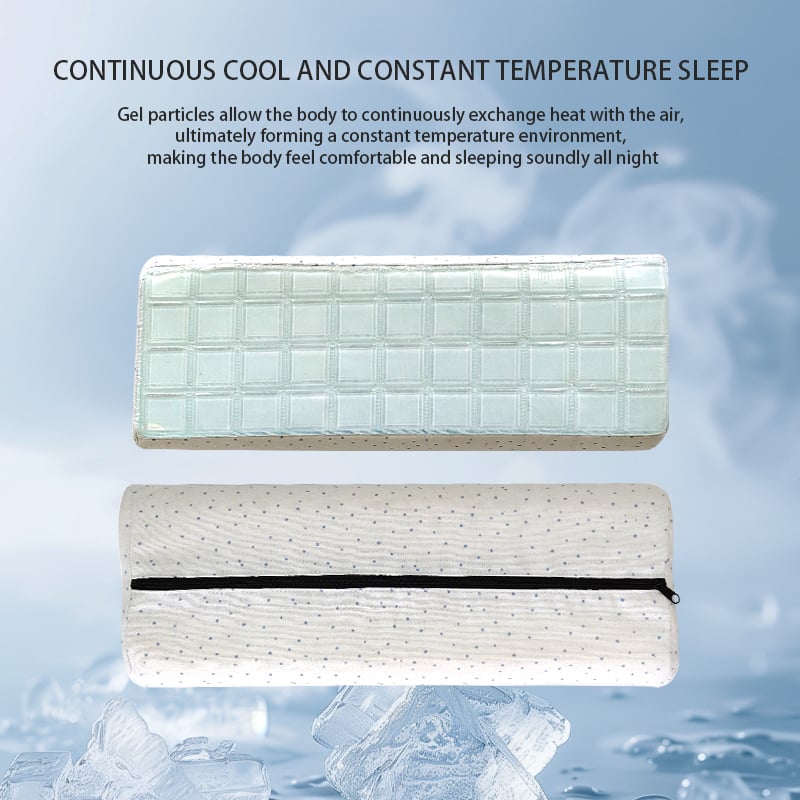
When dealing with acute injuries such as sprains, strains, or bruises, proper cold therapy application can significantly reduce pain, swelling, and inflammation. Understanding the correct techniques for using cold therapy devices ensures maximum therapeutic benefit while preventing potential skin damage or tissue injury. A gel beads ice pack represents one of the most effective and versatile cold therapy solutions available for home and clinical use, offering superior temperature retention and conformability compared to traditional ice applications.
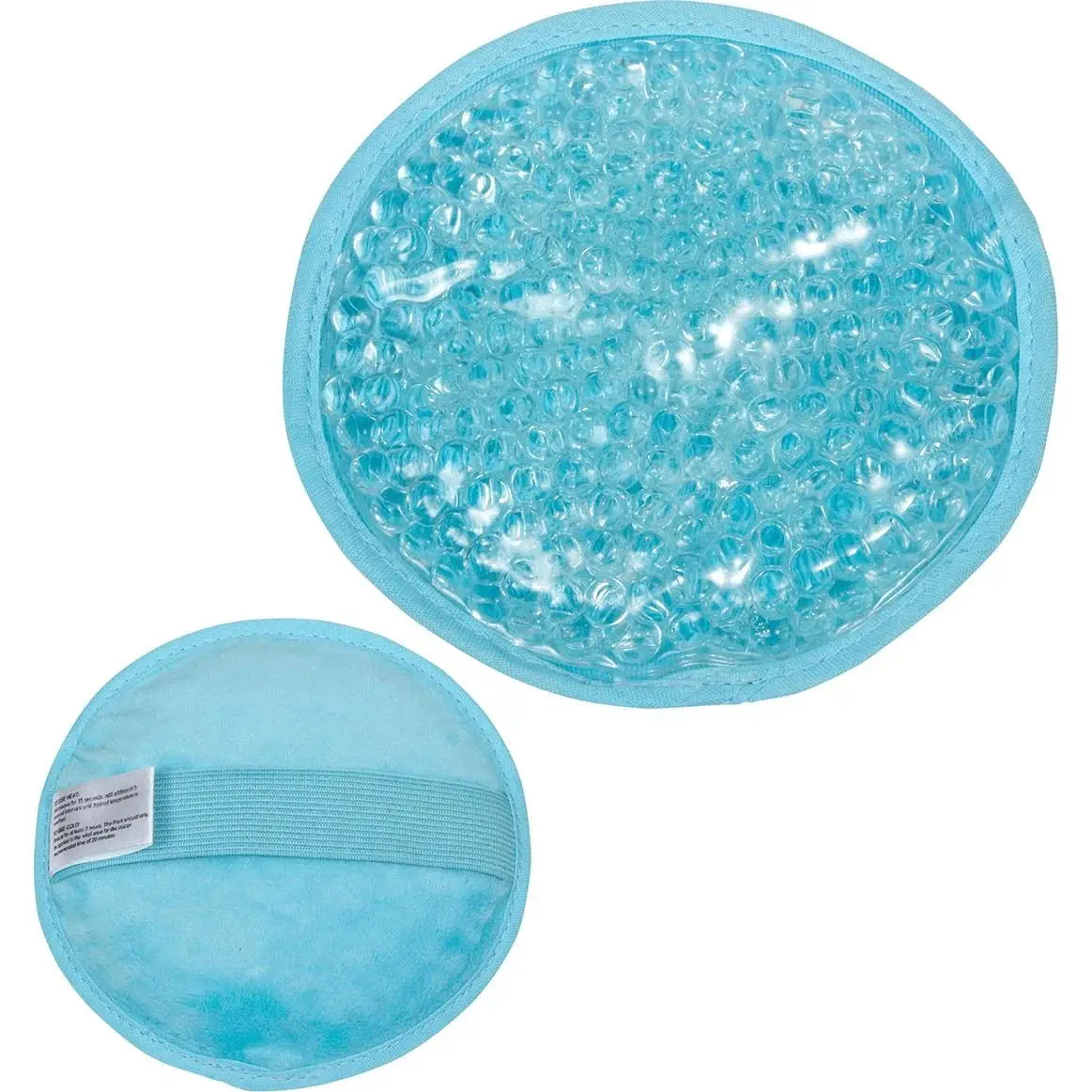
The science behind cold therapy involves vasoconstriction, which reduces blood flow to the injured area and limits the inflammatory response that occurs immediately following tissue damage. This physiological response helps minimize secondary tissue damage and provides significant pain relief through the numbing effect of cold temperatures. Professional healthcare providers consistently recommend cold therapy as a first-line treatment for acute musculoskeletal injuries.
Modern cold therapy solutions have evolved significantly from simple ice cubes wrapped in towels to sophisticated gel beads ice pack systems that maintain therapeutic temperatures for extended periods. These advanced cold therapy devices offer consistent temperature distribution and conform to body contours, ensuring optimal contact with injured tissues while maintaining user comfort during treatment sessions.
Understanding Cold Therapy Principles
Physiological Effects of Cold Application
Cold therapy induces several beneficial physiological responses that promote healing and pain management. When cold is applied to injured tissues, blood vessels constrict, reducing the flow of inflammatory mediators to the affected area. This vasoconstriction effect helps limit the extent of swelling and prevents excessive fluid accumulation in surrounding tissues.
The analgesic properties of cold therapy work through multiple mechanisms, including the reduction of nerve conduction velocity and the activation of pain gate mechanisms in the spinal cord. These effects combine to provide significant pain relief within minutes of proper application. A quality gel beads ice pack maintains therapeutic temperatures long enough to achieve these physiological benefits without causing tissue damage.
Research demonstrates that optimal cold therapy requires maintaining temperatures between 50-59°F (10-15°C) for maximum therapeutic benefit. Temperatures below this range may cause tissue damage, while higher temperatures fail to provide adequate vasoconstriction and pain relief. Professional-grade cold therapy devices are specifically designed to maintain these optimal temperature ranges throughout treatment sessions.
Optimal Timing for Cold Therapy
The timing of cold therapy application significantly impacts its effectiveness in managing acute injuries. The golden window for initiating cold therapy extends from immediately after injury occurrence up to 72 hours post-injury. During this acute phase, inflammatory processes are most active, making cold therapy particularly beneficial for controlling swelling and pain.
Early intervention with appropriate cold therapy devices can prevent the progression of secondary tissue damage and reduce overall recovery time. Sports medicine professionals recommend beginning cold therapy within 15 minutes of injury occurrence when possible. A portable gel beads ice pack system allows for immediate treatment initiation, even in field or home settings where traditional ice may not be readily available.
The frequency and duration of cold therapy sessions should follow established protocols to maximize benefits while preventing cold-induced injuries. Standard recommendations include 15-20 minute treatment sessions with 45-60 minute intervals between applications. This cycling approach prevents tissue adaptation while maintaining therapeutic effects throughout the acute injury phase.
Proper Application Techniques
Pre-Application Preparation
Successful cold therapy begins with proper preparation of both the treatment area and the cold therapy device. The injured area should be cleaned and inspected for open wounds, severe swelling, or signs of circulatory compromise. Any clothing or jewelry that might restrict circulation should be removed before initiating treatment.
Preparing the gel beads ice pack involves ensuring it has been adequately chilled to therapeutic temperatures while remaining flexible enough to conform to body contours. Unlike rigid ice blocks, gel-based systems maintain flexibility even at low temperatures, allowing for optimal contact with curved surfaces such as ankles, knees, or shoulders.
A protective barrier should always be placed between the cold therapy device and skin to prevent cold burns or frostbite. Thin towels, cloth covers, or specialized protective sleeves provide adequate protection while allowing efficient heat transfer. Never apply cold therapy devices directly to bare skin, regardless of the device type or temperature.
Application Methods and Positioning
Proper positioning during cold therapy application enhances treatment effectiveness and patient comfort. The injured area should be elevated when possible to promote drainage of inflammatory fluids and reduce hydrostatic pressure within tissues. This elevation, combined with cold therapy, creates optimal conditions for controlling swelling and promoting healing.
The gel beads ice pack should be positioned to maximize contact with the injured area while ensuring even temperature distribution across all affected tissues. Gentle compression may be applied using elastic wraps or built-in strapping systems, but excessive pressure should be avoided as it may compromise circulation or cause discomfort.
During treatment, patients should remain in comfortable positions that allow for relaxation and promote circulation to uninjured areas. Movement should be minimized during active cold therapy sessions to maintain optimal device positioning and prevent disruption of the therapeutic process. Regular monitoring ensures patient comfort and treatment effectiveness throughout each session.
Advanced Cold Therapy Strategies
Combination Therapy Approaches
Modern injury management often incorporates cold therapy as part of comprehensive treatment protocols that address multiple aspects of the healing process. The RICE protocol (Rest, Ice, Compression, Elevation) remains a cornerstone of acute injury management, with cold therapy serving as a central component of this evidence-based approach.
Advanced gel beads ice pack systems often incorporate compression elements that provide consistent pressure while delivering cold therapy. This combination approach enhances the effectiveness of both treatments, creating synergistic effects that accelerate healing and improve patient outcomes.
The integration of cold therapy with gentle range-of-motion exercises can prevent stiffness and maintain joint mobility during the healing process. This approach requires careful timing and professional guidance to ensure that therapeutic activities complement rather than interfere with the cold therapy benefits.
Specialized Applications for Different Injury Types
Different types of musculoskeletal injuries may require modified cold therapy approaches to achieve optimal results. Acute sprains typically respond well to aggressive cold therapy during the first 48-72 hours, with sessions lasting 15-20 minutes every hour during waking hours. The conformability of a gel beads ice pack makes it particularly effective for treating ankle sprains, where irregular surface contours require flexible cold therapy solutions.
Muscle strains may benefit from alternating cold and heat therapy protocols, depending on the injury phase and severity. During the acute phase, cold therapy remains the primary intervention, but the transition to heat therapy may occur earlier than with ligamentous injuries. Professional guidance ensures appropriate protocol selection based on individual injury characteristics.
Contusions and bruises typically respond favorably to immediate cold therapy application, with the gel beads ice pack conforming to body contours to ensure comprehensive coverage of the affected area. The ability to maintain consistent temperatures across irregular surfaces makes gel-based systems particularly effective for treating these common injuries.
Safety Considerations and Contraindications
Identifying Risk Factors
While cold therapy is generally safe when applied correctly, certain medical conditions and patient characteristics increase the risk of complications. Individuals with diabetes, peripheral vascular disease, or sensory impairments require special precautions during cold therapy application. Reduced sensation may prevent early detection of cold-induced tissue damage, making careful monitoring essential.
Age-related factors also influence cold therapy safety, with very young and elderly patients requiring modified protocols and enhanced supervision. Skin thickness variations and circulatory changes associated with aging may alter tissue response to cold therapy. A high-quality gel beads ice pack with temperature-regulating properties helps minimize risks while maintaining therapeutic effectiveness across diverse patient populations.
Certain medications, particularly those affecting circulation or sensation, may increase cold therapy risks. Patients taking blood thinners, vasodilators, or medications that impair sensation should receive modified treatment protocols with enhanced monitoring. Healthcare providers should review medication lists before recommending cold therapy protocols.
Preventing Cold-Related Injuries
Cold burns and frostbite represent the most serious potential complications of improper cold therapy application. These injuries typically result from excessive cold exposure, direct skin contact with cold therapy devices, or prolonged treatment sessions. Prevention strategies focus on appropriate temperature control, protective barriers, and adherence to recommended treatment durations.
Regular skin inspection during cold therapy sessions allows for early detection of adverse reactions such as excessive blanching, numbness, or skin color changes. Treatment should be discontinued immediately if any concerning signs develop. The controlled temperature characteristics of professional-grade gel beads ice pack systems help prevent extreme temperature exposure while maintaining therapeutic benefits.
Patient education plays a crucial role in preventing cold therapy complications. Users should understand proper application techniques, recognize warning signs of complications, and follow recommended treatment protocols. Clear instructions and regular follow-up ensure safe and effective cold therapy use throughout the healing process.
Maximizing Treatment Effectiveness
Environmental and Equipment Considerations
The treatment environment significantly impacts cold therapy effectiveness and patient comfort. Ambient temperature, humidity levels, and air circulation can all influence how cold therapy devices perform and how patients respond to treatment. Cool, dry environments typically enhance cold therapy effectiveness, while hot, humid conditions may reduce treatment benefits.
Equipment maintenance and storage practices directly affect the performance and longevity of cold therapy devices. A gel beads ice pack requires proper storage temperatures and handling procedures to maintain its therapeutic properties over time. Regular inspection for leaks, tears, or other damage ensures safe and effective operation throughout the device's lifespan.
The availability of multiple cold therapy devices allows for continuous treatment protocols without interruption. Having backup units ensures that therapeutic cold temperatures can be maintained even during device rotation or maintenance periods. This continuity is particularly important during the acute injury phase when consistent cold therapy provides maximum benefits.
Monitoring and Adjusting Treatment Protocols
Effective cold therapy requires ongoing assessment and protocol adjustment based on patient response and healing progression. Initial treatment intensity may need modification as inflammation subsides and healing progresses. Regular evaluation ensures that cold therapy continues to provide benefits without impeding the natural healing process.
Patient feedback provides valuable information for optimizing cold therapy protocols. Pain levels, comfort during treatment, and functional improvements all indicate treatment effectiveness and guide protocol modifications. A versatile gel beads ice pack system allows for easy adjustment of treatment parameters based on evolving patient needs and healing status.
Documentation of treatment sessions, patient responses, and protocol modifications creates a comprehensive record that guides future treatment decisions and helps identify optimal approaches for individual patients. This systematic approach ensures consistent, evidence-based cold therapy application throughout the recovery process.
FAQ
How long should I apply a gel beads ice pack for optimal results
The optimal application time for a gel beads ice pack is typically 15-20 minutes per session, with 45-60 minute intervals between applications. This timing allows for maximum therapeutic benefit while preventing cold-induced tissue damage. During the acute injury phase (first 72 hours), sessions can be repeated every hour during waking hours for maximum anti-inflammatory effect.
Can I use a gel beads ice pack directly on my skin
Never apply a gel beads ice pack directly to bare skin, as this can cause cold burns or frostbite. Always use a protective barrier such as a thin towel or cloth cover between the device and your skin. This protection allows for effective heat transfer while preventing temperature-related injuries. Even with protective barriers, monitor skin condition regularly during treatment.
When should I stop using cold therapy and switch to heat treatment
The transition from cold to heat therapy typically occurs 48-72 hours after injury, when acute inflammation begins to subside. Signs that indicate readiness for heat therapy include reduced swelling, decreased pain levels, and improved range of motion. However, if swelling or acute pain persists beyond 72 hours, continue with cold therapy and consult a healthcare provider for evaluation.
What makes gel beads ice packs more effective than traditional ice
A gel beads ice pack offers superior temperature retention, conformability, and consistent cooling compared to traditional ice. The gel material remains flexible even at low temperatures, allowing it to conform to body contours for optimal contact. Additionally, gel-based systems maintain therapeutic temperatures longer than ice and provide more even temperature distribution across the treatment area, enhancing overall treatment effectiveness.