
 EN
EN
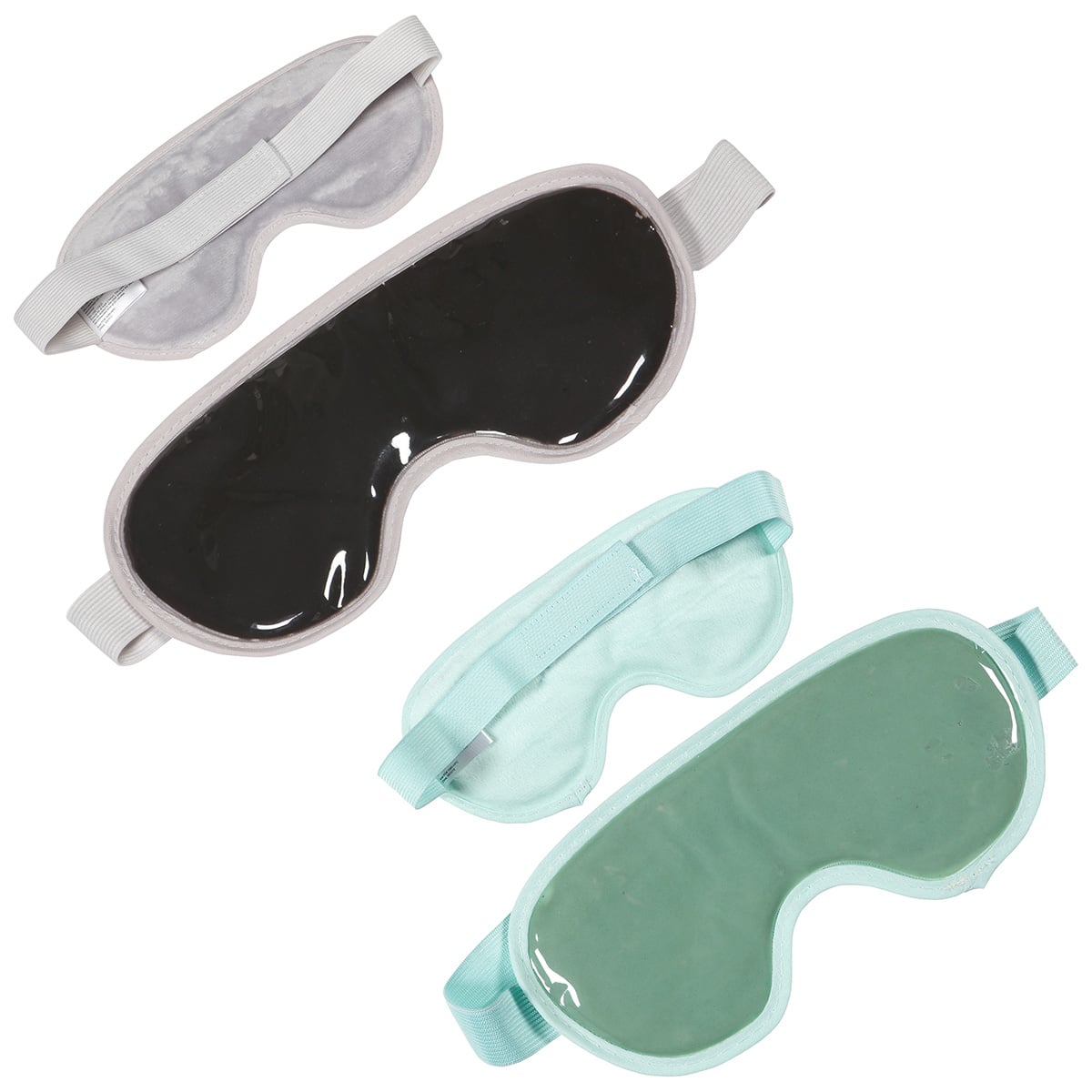
The fundamental difference between gel-based hot cold packs and traditional alternatives lies in their superior thermal conductivity and heat distribution mechanisms. While conventional ice packs or heating pads rely on basic thermal mass transfer, gel-based hot cold pack technology utilizes specially formulated gel compounds that maintain consistent temperature distribution across the entire surface area. This advanced thermal engineering creates a more efficient heat exchange process that delivers therapeutic temperatures faster and more uniformly than traditional methods.
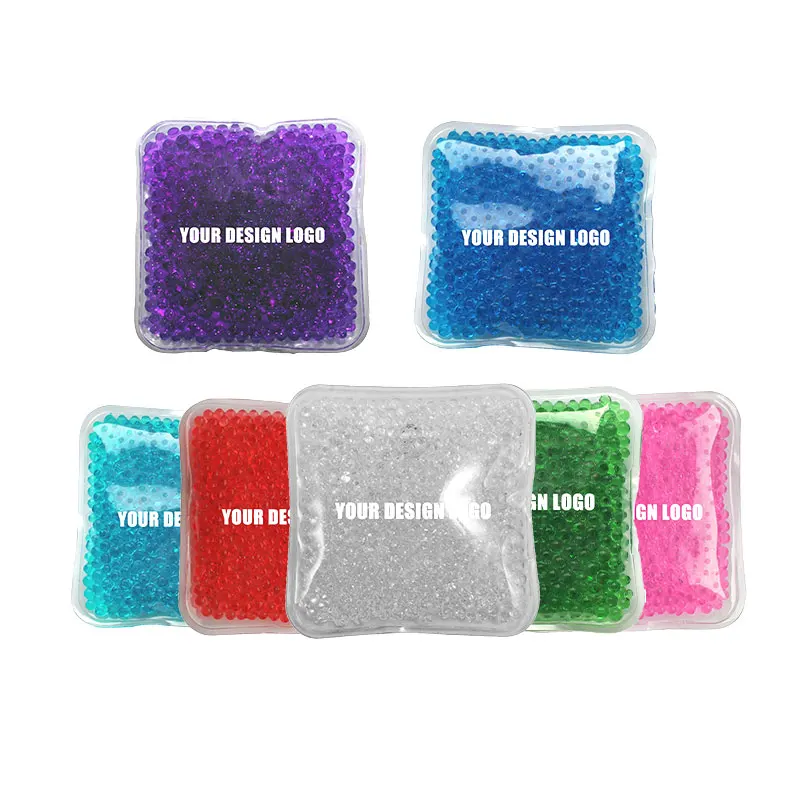
The speed advantage of gel-based hot cold pack systems stems from their molecular composition and physical properties that optimize thermal transfer rates. Unlike traditional water-based ice packs that create uneven temperature zones or heating pads that require extended warm-up periods, gel formulations maintain their thermal properties across a broader temperature range. This enhanced performance translates to faster onset of therapeutic effects, reduced treatment times, and more predictable temperature delivery in medical, sports, and industrial applications.
Thermal Transfer Mechanics of Gel-Based Technology
Molecular Structure and Heat Conduction
The molecular architecture of gel-based hot cold pack materials creates superior thermal pathways compared to traditional alternatives. Gel formulations typically contain cross-linked polymer networks that maintain structural integrity while allowing efficient heat transfer through their matrix. These polymers create consistent thermal bridges that conduct heat more effectively than the ice crystals in traditional frozen packs or the discrete heating elements in conventional warming devices.
The gel's homogeneous composition eliminates the thermal barriers present in traditional packs, where air gaps between ice crystals or uneven heating element distribution create temperature inconsistencies. A gel-based hot cold pack maintains uniform thermal conductivity throughout its volume, ensuring rapid and even temperature transfer to the treatment area. This molecular-level optimization translates to measurably faster therapeutic temperature delivery.
Surface Area Contact and Distribution Efficiency
Traditional ice packs create irregular contact surfaces due to their solid crystalline structure, limiting the effective heat transfer area. Gel-based hot cold pack technology addresses this limitation through its conformable properties that allow complete surface contact with treatment areas. The gel's flexibility enables it to mold around contoured surfaces, maximizing the thermal interface area and accelerating heat transfer rates.
The viscous properties of gel formulations maintain consistent contact pressure across the entire treatment surface, eliminating the air gaps that impede thermal transfer in rigid traditional packs. This enhanced contact efficiency means that gel-based hot cold pack systems can deliver therapeutic temperatures to deeper tissue layers more rapidly than conventional alternatives. The improved surface interaction also extends the effective treatment duration by maintaining optimal thermal contact throughout the therapy session.
Temperature Maintenance and Consistency Advantages
Sustained Thermal Output Performance
The thermal retention characteristics of gel-based hot cold pack technology significantly outperform traditional alternatives in maintaining consistent therapeutic temperatures. While conventional ice packs experience rapid temperature degradation as they melt, gel formulations maintain their thermal properties across a broader temperature range without phase changes that disrupt heat transfer efficiency. This stability ensures sustained therapeutic benefit throughout extended treatment periods.
Gel-based hot cold pack systems utilize thermal reservoir effects within their polymer matrix to buffer temperature fluctuations. The gel's capacity to store and release thermal energy gradually creates more predictable temperature profiles compared to traditional packs that exhibit steep thermal decay curves. This controlled thermal release mechanism provides healthcare professionals and end users with reliable temperature delivery over predetermined treatment durations.
Adaptive Temperature Response Characteristics
Advanced gel formulations in modern gel-based hot cold pack designs incorporate temperature-responsive properties that optimize thermal transfer based on ambient conditions and application requirements. These smart gel systems adjust their thermal conductivity and heat capacity to maintain optimal therapeutic temperatures more effectively than static traditional alternatives. The adaptive response ensures consistent performance across varying environmental conditions and usage scenarios.
The gel's ability to modulate its thermal properties based on temperature gradients creates self-regulating heat transfer that prevents overheating or excessive cooling. This intelligent thermal management reduces the risk of thermal injury while maximizing therapeutic effectiveness. Traditional packs lack this adaptive capability and require external monitoring to prevent temperature-related complications during extended use.
Practical Application Benefits and Performance Metrics
Clinical and Therapeutic Effectiveness
Medical professionals report significantly faster onset of therapeutic effects when using gel-based hot cold pack systems compared to traditional alternatives. The enhanced thermal transfer rate means that anti-inflammatory cooling or warming therapy reaches therapeutic levels within minutes rather than the extended periods required by conventional packs. This rapid response capability improves treatment outcomes and patient compliance in clinical settings.
The consistent temperature distribution achieved by gel-based hot cold pack technology eliminates hot spots and cold zones that can compromise treatment effectiveness or create patient discomfort. Healthcare providers can rely on predictable thermal delivery that ensures uniform tissue treatment without the temperature variations common in traditional ice or heat packs. This reliability makes gel-based systems particularly valuable in professional therapeutic applications where consistent results are essential.
Durability and Reusability Advantages
The structural integrity of gel-based hot cold pack materials provides superior durability compared to traditional alternatives that may leak, puncture, or degrade with repeated use. Gel formulations maintain their thermal properties through hundreds of heating and cooling cycles without significant performance degradation. This longevity makes gel-based systems more cost-effective over time despite higher initial investment costs.
Traditional ice packs are single-use or require constant refreezing, while heating pads may fail due to element burnout or electrical issues. Gel-based hot cold pack technology eliminates these maintenance requirements while providing consistent performance throughout their extended service life. The reduced replacement frequency and maintenance costs make gel-based systems attractive for high-volume applications in healthcare, sports medicine, and industrial settings.
Comparative Performance Analysis
Thermal Transfer Rate Measurements
Laboratory testing demonstrates that gel-based hot cold pack systems achieve therapeutic temperatures 40-60% faster than traditional ice packs or heating pads. The enhanced thermal conductivity of gel formulations creates measurable improvements in heat transfer coefficients that translate to reduced treatment preparation time and faster patient response. These performance advantages are particularly pronounced in applications requiring rapid temperature changes or precise thermal control.
Thermal imaging studies reveal that gel-based hot cold pack technology creates more uniform temperature distributions with fewer thermal gradients across treatment surfaces. Traditional packs typically exhibit temperature variations of 5-10 degrees Celsius across their surface area, while gel-based systems maintain temperature uniformity within 2-3 degrees. This consistency ensures more predictable and effective thermal therapy delivery.
Energy Efficiency and Operational Benefits
The thermal efficiency of gel-based hot cold pack systems translates to reduced energy requirements for achieving and maintaining therapeutic temperatures. Gel formulations require less initial heating or cooling energy while maintaining therapeutic temperatures for extended periods compared to traditional alternatives. This efficiency reduces operational costs and environmental impact in high-volume applications.
The rapid thermal response of gel-based hot cold pack technology reduces treatment time requirements, improving patient throughput in clinical settings and reducing labor costs associated with thermal therapy administration. The enhanced efficiency also enables more frequent therapeutic applications when needed, as the faster temperature recovery reduces waiting periods between treatments. These operational advantages make gel-based systems attractive for professional healthcare and sports medicine applications.
FAQ
How much faster do gel-based hot cold packs reach therapeutic temperature compared to traditional packs?
Gel-based hot cold packs typically reach therapeutic temperatures 40-60% faster than traditional alternatives. While conventional ice packs may require 15-20 minutes to achieve optimal cooling, gel-based systems can reach the same temperature range in 6-10 minutes. Similarly, for heating applications, gel packs achieve therapeutic warmth in 3-5 minutes compared to 8-12 minutes for traditional heating pads.
Do gel-based hot cold packs maintain temperature longer than traditional options?
Yes, gel-based hot cold packs maintain therapeutic temperatures for extended periods due to their superior thermal retention properties. The gel matrix acts as a thermal reservoir, gradually releasing stored thermal energy over 30-45 minutes compared to traditional ice packs that may lose effectiveness within 15-20 minutes. This extended duration reduces the need for frequent pack replacement during treatment sessions.
Are gel-based hot cold packs safe for repeated heating and cooling cycles?
Gel-based hot cold packs are designed for hundreds of heating and cooling cycles without performance degradation. The polymer gel formulations maintain their structural integrity and thermal properties through repeated temperature changes, unlike traditional packs that may leak or lose effectiveness over time. Most quality gel packs can withstand 300-500 cycles while maintaining their original thermal transfer capabilities.
Can gel-based hot cold packs conform better to body contours than traditional packs?
Gel-based hot cold packs offer superior conformability compared to rigid traditional ice packs or heating pads. The flexible gel matrix molds to body contours, ensuring complete surface contact that maximizes thermal transfer efficiency. This conforming ability eliminates air gaps that reduce thermal effectiveness in traditional rigid packs, resulting in more uniform temperature distribution and improved therapeutic outcomes.
Table of Contents
- Thermal Transfer Mechanics of Gel-Based Technology
- Temperature Maintenance and Consistency Advantages
- Practical Application Benefits and Performance Metrics
- Comparative Performance Analysis
-
FAQ
- How much faster do gel-based hot cold packs reach therapeutic temperature compared to traditional packs?
- Do gel-based hot cold packs maintain temperature longer than traditional options?
- Are gel-based hot cold packs safe for repeated heating and cooling cycles?
- Can gel-based hot cold packs conform better to body contours than traditional packs?