
 EN
EN
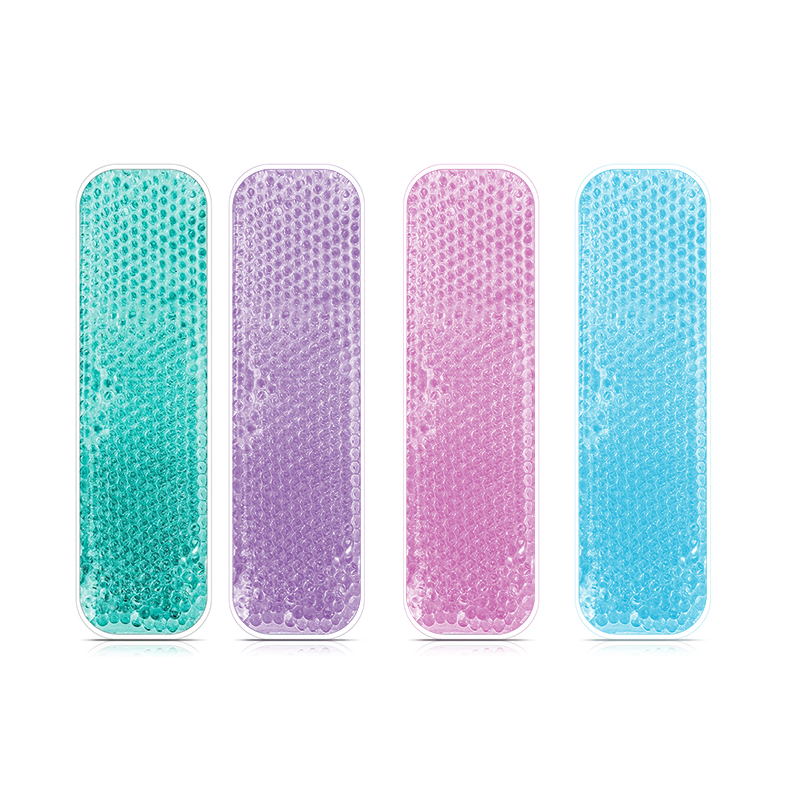
Pain management has evolved significantly over the years, with healthcare professionals and individuals increasingly turning to non-invasive therapeutic solutions for immediate relief. Among the most versatile and effective tools available today is the hot cold pack, a dual-purpose therapeutic device that harnesses the power of temperature therapy to address various types of pain and injuries. This innovative approach to pain management offers a safe, accessible, and cost-effective alternative to pharmaceutical interventions, making it an essential component of modern healthcare protocols and personal wellness routines.
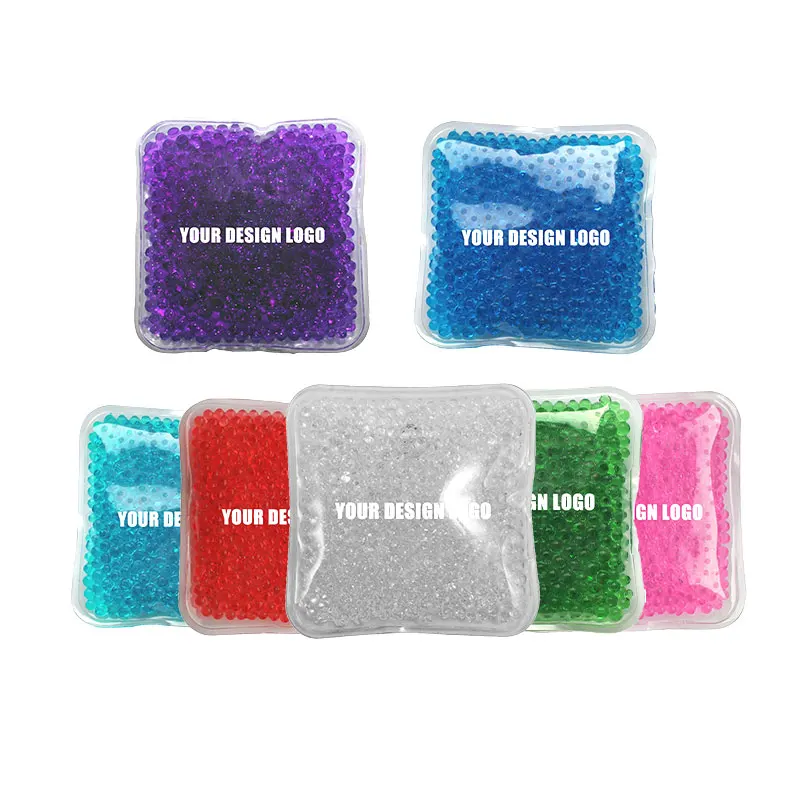
The therapeutic application of temperature has been recognized across cultures and medical traditions for centuries, yet modern technology has refined these ancient principles into sophisticated, user-friendly devices. Contemporary hot cold pack systems incorporate advanced materials and design features that maximize therapeutic benefits while ensuring safety and convenience for users of all ages and activity levels.
Understanding Temperature Therapy Fundamentals
The Science Behind Heat and Cold Application
Temperature therapy operates on well-established physiological principles that directly impact the body's pain response mechanisms and healing processes. When cold therapy is applied using a hot cold pack, vasoconstriction occurs, reducing blood flow to the affected area and subsequently minimizing inflammation, swelling, and nerve conduction velocity. This physiological response effectively numbs pain receptors and provides immediate relief from acute injuries and inflammatory conditions.
Conversely, heat therapy from a hot cold pack promotes vasodilation, increasing blood circulation to targeted tissues and muscles. Enhanced blood flow delivers essential nutrients and oxygen while facilitating the removal of metabolic waste products that contribute to pain and stiffness. The warming effect also relaxes muscle fibers, reduces joint stiffness, and stimulates the production of endorphins, the body's natural pain-relieving compounds.
Physiological Mechanisms of Pain Relief
The gate control theory of pain explains how temperature therapy through a hot cold pack interrupts pain signals transmitted to the brain. Large nerve fibers activated by temperature sensations can effectively close the neural pathways that carry pain messages, providing immediate relief without pharmaceutical intervention. This neurological mechanism makes temperature therapy particularly effective for both acute and chronic pain conditions.
Additionally, the psychological benefits of using a hot cold pack cannot be understated, as the immediate sensory feedback provides patients with a sense of control over their pain management while promoting relaxation and stress reduction. These psychological factors often enhance the overall therapeutic effectiveness of temperature-based treatments.
Immediate Pain Relief Applications
Acute Injury Management
Sports injuries, workplace accidents, and everyday mishaps often result in acute pain that requires immediate attention and intervention. A properly applied hot cold pack can significantly reduce the severity and duration of pain associated with sprains, strains, bruises, and minor trauma. The rapid application of cold therapy helps control the inflammatory response during the critical first hours following injury, preventing excessive swelling that can complicate recovery.
Professional athletes and sports medicine practitioners have long recognized the value of immediate cold therapy application, with many incorporating specialized hot cold pack protocols into their injury management strategies. The ability to quickly transition between temperature applications allows for dynamic treatment approaches that can be adjusted based on the specific phase of injury and recovery.
Chronic Pain Management
Individuals suffering from chronic conditions such as arthritis, fibromyalgia, and persistent back pain often find significant relief through regular use of a hot cold pack. The flexibility to alternate between heat and cold therapy allows users to customize their treatment approach based on daily symptom fluctuations and activity levels. Heat therapy proves particularly beneficial for morning stiffness and muscle tension, while cold therapy can address inflammation flare-ups and acute pain episodes.
The convenience and accessibility of modern hot cold pack designs enable consistent pain management routines that can be seamlessly integrated into daily life, work schedules, and travel arrangements. This reliability factor is crucial for chronic pain sufferers who require consistent therapeutic support to maintain functional capacity and quality of life.
Versatility and Convenience Features
Multi-Purpose Therapeutic Applications
Modern hot cold pack systems excel in their versatility, accommodating a wide range of therapeutic applications across different body regions and injury types. From post-surgical recovery and dental procedures to headache relief and menstrual cramp management, these devices provide targeted temperature therapy that can be precisely controlled and monitored. The flexible design of contemporary hot cold pack products allows for conforming application to curved body surfaces, ensuring optimal contact and therapeutic effectiveness.
Healthcare facilities, rehabilitation centers, and sports medicine clinics increasingly rely on high-quality hot cold pack systems for their treatment protocols due to their reliability, safety profile, and cost-effectiveness. The ability to provide immediate therapeutic intervention without complex equipment or specialized training makes these devices invaluable in both professional and home healthcare settings.
User-Friendly Design and Safety Features
Contemporary hot cold pack designs incorporate advanced safety features that prevent temperature-related injuries while maximizing therapeutic benefits. Temperature regulation systems, protective barriers, and timer mechanisms ensure that users can safely apply appropriate therapeutic temperatures without risk of frostbite or burns. These safety enhancements make hot cold pack therapy accessible to elderly patients, children, and individuals with limited mobility or supervision.
The reusable nature of quality hot cold pack systems provides significant economic advantages over single-use alternatives while supporting environmental sustainability goals. Durable construction materials and leak-proof designs ensure long-term reliability and consistent performance across hundreds of therapeutic applications.
Economic and Accessibility Benefits
Cost-Effective Pain Management Solution
The economic advantages of incorporating a hot cold pack into pain management strategies extend beyond the initial purchase price to include reduced healthcare costs, decreased pharmaceutical dependencies, and improved productivity outcomes. For individuals managing chronic pain conditions, the ability to address pain episodes immediately at home can significantly reduce emergency room visits, urgent care consultations, and prescription medication requirements.
Employers and occupational health programs recognize the value of providing workplace access to hot cold pack therapy for managing work-related injuries and repetitive stress conditions. Early intervention with temperature therapy can prevent minor injuries from developing into more serious conditions requiring extended medical treatment and worker compensation claims.
Accessibility Across Demographics
The simplicity and effectiveness of hot cold pack therapy make it accessible across diverse demographic groups, including elderly populations with limited mobility, parents managing children's injuries, and athletes requiring immediate post-exercise recovery support. No specialized training or medical supervision is required for basic hot cold pack applications, empowering individuals to take active roles in their pain management and recovery processes.
Cultural and linguistic barriers that sometimes complicate healthcare access are minimized with hot cold pack therapy, as the intuitive nature of temperature application transcends communication challenges while providing universally understood therapeutic benefits.
Professional Healthcare Integration
Clinical Treatment Protocols
Healthcare professionals across multiple specialties have integrated hot cold pack therapy into evidence-based treatment protocols for various conditions ranging from post-operative care to rehabilitation medicine. Physical therapists utilize controlled temperature applications to prepare tissues for therapeutic exercises, reduce post-treatment inflammation, and accelerate recovery timelines. The predictable physiological responses to hot cold pack therapy allow clinicians to develop standardized treatment approaches while maintaining flexibility for individualized care plans.
Emergency medical services and first aid protocols increasingly emphasize the importance of immediate hot cold pack application for injury management, recognizing the significant impact that early temperature therapy can have on patient outcomes and recovery trajectories. This integration reflects the growing evidence base supporting temperature therapy as a fundamental component of comprehensive pain management strategies.
Research and Evidence Base
Extensive clinical research continues to validate the therapeutic effectiveness of hot cold pack applications across various medical conditions and patient populations. Studies demonstrate measurable improvements in pain scores, functional capacity, and quality of life measures among patients utilizing structured temperature therapy protocols. The growing body of evidence supports the integration of hot cold pack therapy into mainstream medical practice while encouraging continued innovation in device design and application methodologies.
Ongoing research explores optimal timing protocols, temperature ranges, and combination therapies that maximize the therapeutic potential of hot cold pack applications while minimizing potential adverse effects. This scientific foundation ensures that temperature therapy recommendations are based on objective evidence rather than traditional practices alone.
FAQ
How long should a hot cold pack be applied for maximum benefit
The optimal application duration for a hot cold pack depends on the specific therapeutic goal and individual tolerance levels. For acute injuries, cold therapy should typically be applied for 15-20 minutes every 2-3 hours during the first 48-72 hours following injury. Heat therapy applications generally range from 15-30 minutes and can be repeated as needed for chronic conditions. Always allow skin temperature to return to normal between applications and discontinue use if any adverse reactions occur.
Can hot cold packs be used safely by elderly patients
Elderly patients can safely use hot cold pack therapy with appropriate precautions and supervision. Age-related changes in skin sensitivity and circulation may require modified application techniques, shorter treatment durations, and additional protective barriers to prevent temperature-related injuries. Healthcare providers should evaluate individual patient factors including medication effects, circulation status, and cognitive capacity before recommending specific hot cold pack protocols for elderly users.
What conditions should avoid hot cold pack therapy
Certain medical conditions require careful evaluation before using hot cold pack therapy, including severe peripheral vascular disease, diabetes with neuropathy, severe cognitive impairment, and areas with compromised skin integrity. Patients with these conditions should consult healthcare professionals before beginning temperature therapy protocols. Additionally, hot therapy should be avoided over areas of active bleeding, acute inflammation, or suspected malignancy without medical supervision.
How do I choose the right hot cold pack for my needs
Selecting an appropriate hot cold pack involves considering factors such as intended application areas, frequency of use, portability requirements, and safety features. Look for products with durable construction, leak-proof designs, comfortable fabric covers, and clear temperature indicators. Consider the size and flexibility needed for your specific body regions and whether you require features such as compression straps or contoured shapes for optimal therapeutic contact.