
 EN
EN

The effectiveness of temperature therapy has long been recognized in medical and wellness applications, but the choice between gel-filled hot cold packs and traditional water bottles can significantly impact treatment outcomes. While water bottles have served as basic temperature therapy tools for decades, modern gel-filled hot cold packs offer superior thermal properties, safety features, and practical advantages that make them increasingly preferred across healthcare facilities, sports medicine, and home care applications.
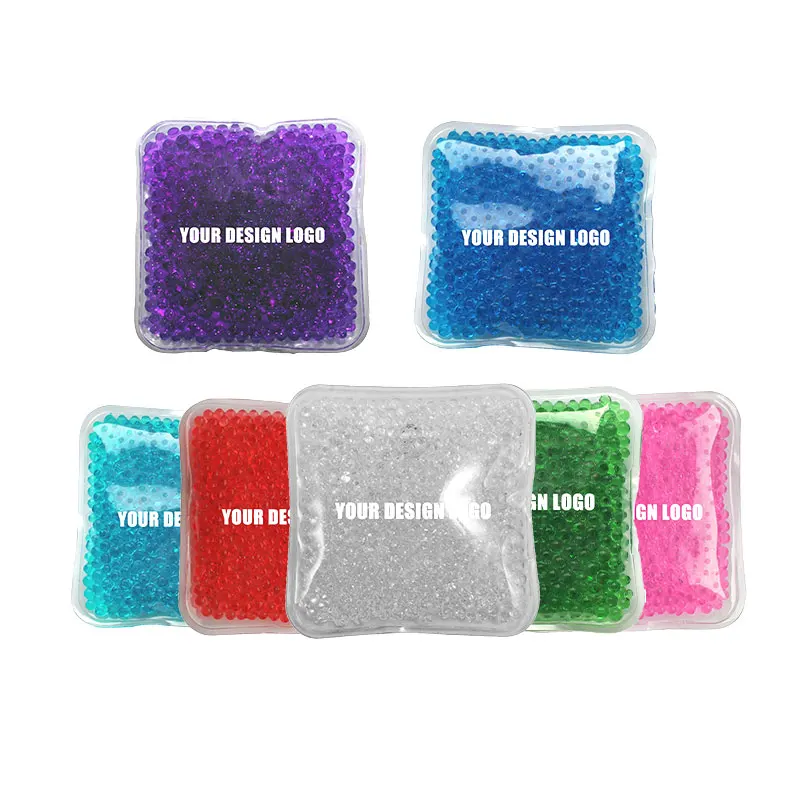
Understanding what makes gel-filled hot cold packs more effective requires examining the fundamental differences in thermal conductivity, heat retention, safety mechanisms, and user experience. These factors collectively determine whether a temperature therapy solution delivers consistent therapeutic benefits or merely provides temporary relief with potential safety risks.
Superior Thermal Performance and Heat Distribution
Enhanced Thermal Conductivity Properties
Gel-filled hot cold packs utilize specialized gel formulations that provide superior thermal conductivity compared to water in traditional bottles. The gel medium maintains more consistent contact with the skin surface, eliminating air gaps that commonly occur with rigid water bottles. This enhanced contact area ensures more efficient heat transfer, allowing therapeutic temperatures to penetrate deeper into affected tissues.
The thermal mass of gel-filled hot cold packs also differs significantly from water bottles. Professional-grade gel formulations contain compounds that store thermal energy more effectively, providing sustained temperature delivery over extended periods. This characteristic proves particularly valuable in clinical settings where consistent temperature therapy is required for optimal patient outcomes.
Uniform Temperature Distribution
Traditional water bottles often create uneven temperature zones due to thermal stratification and inadequate mixing of heated or cooled water. In contrast, gel-filled hot cold packs maintain uniform temperature distribution throughout the entire pack surface. The gel medium eliminates hot spots and cold zones that can cause discomfort or reduce therapeutic effectiveness.
This uniform distribution becomes critical when treating larger surface areas or when precise temperature control is necessary. Healthcare professionals consistently report better patient comfort and improved treatment outcomes when using gel-filled hot cold packs compared to conventional water bottle approaches.
Advanced Safety Features and Risk Mitigation
Leak-Proof Design and Containment
One of the most significant advantages of gel-filled hot cold packs over traditional water bottles is their superior leak-proof design. Water bottles rely on threaded caps or cork stoppers that can fail under temperature stress, creating spillage risks and potential burns. Professional gel-filled hot cold packs feature sealed construction that eliminates leakage concerns entirely.
The containment system in quality gel-filled hot cold packs includes multiple barrier layers and reinforced sealing mechanisms. These design elements ensure that even if the outer covering experiences damage, the gel medium remains contained and functional. This reliability factor makes gel-filled hot cold packs particularly suitable for institutional use where safety protocols demand consistent performance.
Temperature Regulation and Burn Prevention
Traditional water bottles can reach extreme temperatures that pose burn risks, especially when filled with boiling water or when metal components become super-heated. Gel-filled hot cold packs incorporate temperature regulation features that prevent excessive heat buildup while maintaining therapeutic effectiveness. The gel formulation acts as a thermal buffer, moderating temperature extremes automatically.
Many professional gel-filled hot cold packs include visual temperature indicators or color-changing elements that warn users when temperatures exceed safe application ranges. These safety features provide an additional layer of protection that traditional water bottles cannot offer.
Practical Advantages and User Experience
Flexibility and Conformability
The flexible nature of gel-filled hot cold packs allows them to conform to body contours much more effectively than rigid water bottles. This conformability ensures better contact with curved surfaces such as shoulders, knees, or the neck area, maximizing the therapeutic contact area and improving treatment effectiveness.
Professional therapists and healthcare providers consistently report that patients experience greater comfort when using flexible gel-filled hot cold packs compared to rigid water bottle alternatives. The ability to mold around specific body areas reduces pressure points and allows for more natural positioning during treatment sessions.
Durability and Reusability Factors
Quality gel-filled hot cold packs demonstrate superior durability compared to traditional water bottles, which are prone to cracking, leaking, or degradation over time. The sealed gel system eliminates the wear patterns associated with repeated filling, emptying, and cap replacement that plague water bottle systems.
The reusability factor of gel-filled hot cold packs extends beyond mere durability. These systems maintain consistent performance characteristics over hundreds of heating and cooling cycles, whereas water bottles may develop leaks, lose insulation properties, or suffer from mineral buildup that affects thermal performance.
Clinical Effectiveness and Therapeutic Outcomes
Extended Temperature Retention
Clinical studies consistently demonstrate that gel-filled hot cold packs maintain therapeutic temperatures for significantly longer periods than traditional water bottles. The specialized gel formulations create thermal reservoirs that release stored energy gradually, extending the effective treatment window without requiring frequent reheating or cooling.
This extended retention capability proves particularly valuable in professional therapeutic settings where treatment protocols require sustained temperature application. Physical therapists report that gel-filled hot cold packs allow for longer treatment sessions with more consistent therapeutic benefits compared to water bottle alternatives that cool or warm too quickly.
Consistent Treatment Delivery
The predictable performance characteristics of gel-filled hot cold packs enable healthcare providers to develop standardized treatment protocols with reliable outcomes. Traditional water bottles introduce variables such as initial water temperature, fill level, and bottle material that can affect treatment consistency between sessions or patients.
Professional gel-filled hot cold packs eliminate these variables by providing consistent thermal properties, standardized activation procedures, and predictable temperature curves. This consistency supports evidence-based treatment approaches and allows for better documentation of therapeutic interventions.
Cost-Effectiveness and Operational Benefits
Reduced Maintenance and Replacement Costs
While gel-filled hot cold packs may require higher initial investment than traditional water bottles, their superior durability and performance characteristics result in lower total cost of ownership over time. The elimination of replacement water, reduced maintenance requirements, and longer service life contribute to significant operational savings.
Healthcare facilities report substantial cost reductions when transitioning from water bottle systems to professional gel-filled hot cold packs. These savings include reduced staff time for preparation, fewer replacement purchases, and decreased liability exposure from spills or burns associated with water bottle failures.
Operational Efficiency Improvements
The ready-to-use nature of gel-filled hot cold packs eliminates the preparation time required for water bottle systems. Staff members can activate gel packs immediately without waiting for water heating or ice preparation, improving treatment scheduling efficiency and patient throughput.
Storage requirements for gel-filled hot cold packs are also more efficient than maintaining supplies of hot water, ice, and multiple water bottles. This space efficiency proves particularly valuable in clinical environments where storage space commands premium value.
FAQ
How long do gel-filled hot cold packs maintain therapeutic temperatures compared to water bottles?
Gel-filled hot cold packs typically maintain therapeutic temperatures for 20-30 minutes, which is 2-3 times longer than traditional water bottles. The specialized gel formulation creates thermal reservoirs that release stored energy gradually, extending the effective treatment window significantly compared to water bottles that lose temperature rapidly through convection and conduction.
Are gel-filled hot cold packs safe for repeated heating in microwaves?
Quality gel-filled hot cold packs are specifically designed for repeated microwave heating cycles and can withstand hundreds of heating sessions without degradation. The gel formulation includes heat-stable compounds that prevent breakdown or chemical changes during microwave activation, unlike water bottles which may develop weak points or dangerous pressure buildup during heating.
What makes the gel formulation more effective than water for temperature therapy?
The gel formulation in professional hot cold packs contains thermal-regulating compounds that provide superior heat storage capacity and slower temperature release rates compared to plain water. The gel medium also maintains better contact with skin surfaces, eliminating air gaps that reduce thermal transfer efficiency in rigid water bottles, resulting in more effective therapeutic temperature delivery.
Can gel-filled hot cold packs be used immediately after freezing like water bottles?
Gel-filled hot cold packs remain flexible even when frozen, unlike water bottles that become rigid and potentially dangerous at freezing temperatures. The gel formulation prevents complete solidification while maintaining cold therapeutic temperatures, allowing immediate safe application without the risk of ice crystal formation or extreme cold burns associated with frozen water bottles.
Table of Contents
- Superior Thermal Performance and Heat Distribution
- Advanced Safety Features and Risk Mitigation
- Practical Advantages and User Experience
- Clinical Effectiveness and Therapeutic Outcomes
- Cost-Effectiveness and Operational Benefits
-
FAQ
- How long do gel-filled hot cold packs maintain therapeutic temperatures compared to water bottles?
- Are gel-filled hot cold packs safe for repeated heating in microwaves?
- What makes the gel formulation more effective than water for temperature therapy?
- Can gel-filled hot cold packs be used immediately after freezing like water bottles?