
 EN
EN
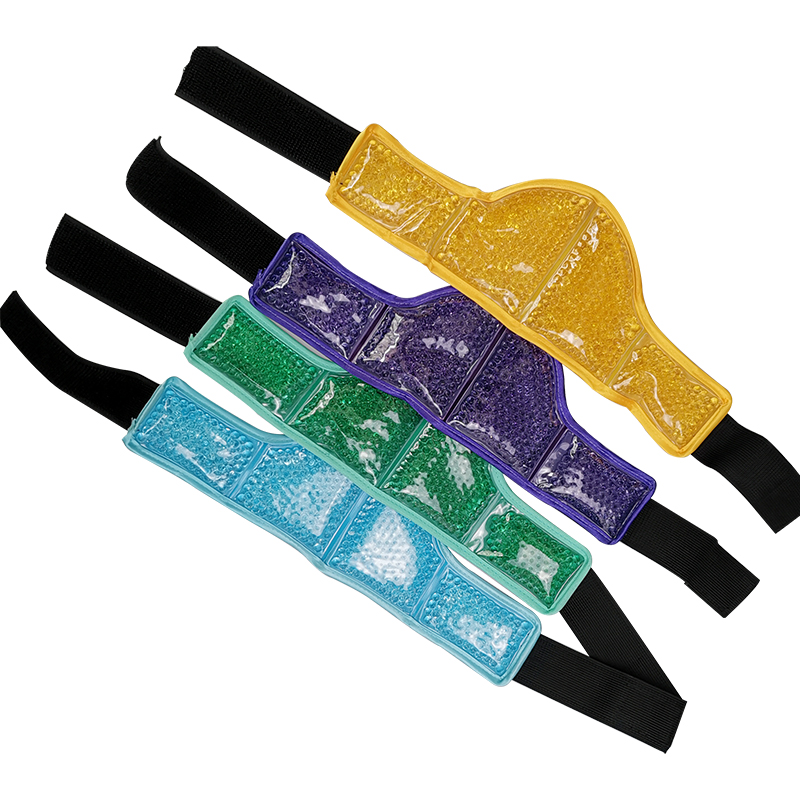
When dealing with acute injuries, post-workout soreness, or chronic pain conditions, choosing the right cold therapy method can significantly impact your recovery outcomes. The comparison between gel ice packs and traditional ice has become increasingly relevant as more healthcare professionals and consumers seek optimal pain relief solutions. Understanding the effectiveness differences between these two cold therapy options requires examining their thermal properties, application benefits, and practical considerations for various pain management scenarios.
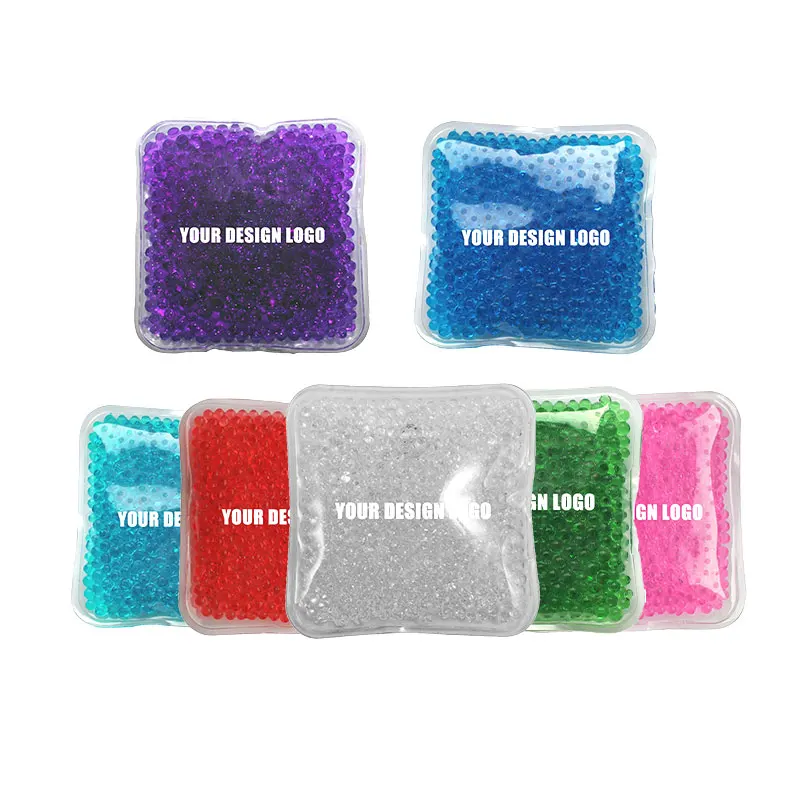
The effectiveness of cold therapy depends on multiple factors including temperature consistency, contact surface area, duration of application, and user safety. Both gel ice packs and traditional ice serve the fundamental purpose of reducing tissue temperature to achieve therapeutic benefits, yet their mechanisms of action and practical applications differ substantially. This analysis examines the scientific evidence supporting each method's effectiveness while considering real-world usage scenarios that influence pain relief outcomes.
Temperature Control and Consistency Factors
Thermal Stability of Gel Ice Packs
Gel ice packs maintain more consistent temperatures throughout their application period compared to traditional ice. The gel formulation creates a controlled cooling environment that prevents rapid temperature fluctuations, ensuring sustained therapeutic cold delivery to injured tissues. This temperature stability occurs because gel ice packs are engineered with specific freezing points that optimize therapeutic cooling without reaching dangerously low temperatures that could cause tissue damage.
The thermal mass of gel ice packs allows for gradual heat absorption from the body, creating a steady cooling effect that penetrates deeper into tissues over extended periods. Medical research indicates that consistent temperature application enhances the physiological benefits of cold therapy by maintaining optimal tissue temperature reduction for inflammatory response control. This controlled cooling mechanism makes gel ice packs particularly effective for treating conditions requiring sustained cold application.
Traditional Ice Temperature Variability
Traditional ice begins melting immediately upon contact with body heat, creating variable temperatures that can range from extremely cold initial contact to rapidly warming water. This temperature inconsistency can reduce therapeutic effectiveness as the cooling benefit diminishes quickly, requiring frequent ice replacement to maintain therapeutic temperatures. The uneven cooling pattern of melting ice can also create hot spots where therapeutic benefit is minimal.
The rapid temperature change associated with traditional ice can sometimes trigger protective responses in the body that counteract the intended therapeutic effects. Additionally, the formation of ice crystals creates irregular contact surfaces that may not provide uniform cooling across the treatment area. These temperature control limitations can impact the overall effectiveness of traditional ice for consistent pain relief applications.
Contact Surface and Application Efficiency
Conformability and Surface Contact
Gel ice packs demonstrate superior conformability to body contours, ensuring maximum surface contact between the cooling medium and the treatment area. This enhanced contact efficiency results from the flexible gel formulation that molds to irregular body surfaces, joints, and curved areas where traditional ice applications may leave gaps. The improved surface contact translates directly to more effective heat transfer and deeper tissue penetration for enhanced pain relief.
The flexible nature of gel ice packs when frozen allows for comfortable application around joints, muscles, and other anatomical features that require targeted cooling therapy. This conformability advantage becomes particularly important for treating areas like knees, shoulders, ankles, and wrists where traditional ice may not maintain consistent contact. The enhanced surface contact provided by gel ice packs ensures more uniform cooling distribution across the entire treatment area.
Traditional Ice Contact Limitations
Traditional ice cubes or crushed ice often create uneven contact surfaces due to their rigid structure and irregular shapes. These contact limitations can result in cooling dead zones where therapeutic benefit is reduced or absent entirely. The hard, angular nature of ice can also create pressure points that may be uncomfortable during extended treatment sessions, potentially limiting application duration and overall therapeutic effectiveness.
Ice applications frequently require towel wrapping or protective barriers to prevent direct skin contact, which further reduces thermal transfer efficiency. The barrier materials necessary for safe ice application can significantly decrease the cooling effectiveness by creating insulation layers between the ice and the target tissues. These application limitations can compromise the overall pain relief benefits that cold therapy is intended to provide.
Duration and Reusability Advantages
Extended Application Benefits
Gel ice packs maintain therapeutic temperatures for significantly longer periods compared to traditional ice, allowing for extended treatment sessions that maximize pain relief benefits. The sustained cooling duration means fewer interruptions for replacement or refreshing, enabling more consistent therapeutic protocols. This extended application capability is particularly valuable for chronic pain conditions that benefit from prolonged cold therapy sessions.
The longer-lasting cooling effect of gel ice packs aligns better with recommended cold therapy protocols that typically suggest 15-20 minute application periods for optimal therapeutic benefit. Traditional ice often requires replacement multiple times during a single treatment session, which can disrupt the therapeutic process and reduce overall effectiveness. The consistent cooling duration provided by gel ice packs supports more effective pain management routines.
Practical Reusability Factors
Gel ice packs offer superior reusability compared to traditional ice, which must be continuously replaced as it melts. The refreezable nature of gel ice packs makes them more practical for regular use, supporting consistent pain management routines without the need for constant ice preparation. This reusability factor contributes to better treatment compliance and more effective long-term pain relief outcomes.
The convenience of gel ice packs eliminates the mess and preparation time associated with traditional ice applications. Users can maintain multiple gel ice packs in rotation, ensuring continuous availability for treatment sessions without the logistical challenges of ice preparation and containment. This practical advantage supports more consistent use patterns that contribute to improved pain relief effectiveness over time.
Safety and User Experience Considerations
Temperature Safety Features
Gel ice packs are formulated to freeze at temperatures that provide therapeutic cooling while minimizing the risk of frostbite or tissue damage. The controlled freezing temperature of gel ice packs typically prevents them from reaching the extremely low temperatures that can occur with traditional ice applications. This safety advantage allows for more confident use, particularly among individuals who may be sensitive to extreme cold applications.
The temperature safety features of gel ice packs reduce the likelihood of adverse reactions that can occur with traditional ice, such as ice burns or excessive tissue cooling. This controlled temperature profile makes gel ice packs suitable for longer application periods and reduces the need for protective barriers that can interfere with thermal transfer efficiency. The enhanced safety profile contributes to better user compliance and more effective pain relief outcomes.
Application Comfort and Compliance
The comfortable application experience provided by gel ice packs encourages better treatment compliance compared to the often uncomfortable and messy application of traditional ice. The contained gel formulation eliminates dripping, melting mess, and the need for frequent replacement during treatment sessions. This improved user experience supports more consistent use patterns that are essential for effective pain management.
Gel ice packs can be applied directly to the skin or through thin clothing without the protective barriers required for traditional ice applications. This direct application capability enhances thermal transfer efficiency while maintaining user comfort throughout the treatment period. The combination of safety and comfort features makes gel ice packs more suitable for regular use in pain management routines.
Clinical Effectiveness and Pain Relief Outcomes
Inflammatory Response Control
The consistent temperature delivery of gel ice packs provides more effective control of inflammatory responses compared to the variable cooling provided by traditional ice. Sustained cooling temperatures help reduce inflammatory mediator release, decrease tissue metabolism, and limit secondary injury processes more effectively than intermittent cold application. This enhanced inflammatory control translates to improved pain relief and faster recovery outcomes.
Clinical studies have demonstrated that consistent cold therapy application produces better outcomes for acute injury management and post-exercise recovery. The controlled cooling environment created by gel ice packs supports optimal tissue temperature reduction for inflammatory response management. This physiological advantage contributes to more effective pain relief compared to the inconsistent cooling patterns typical of traditional ice applications.
Pain Signal Modulation
The sustained cooling effect of gel ice packs provides more effective pain signal modulation through the gate control theory mechanism, where cold sensations override pain signals transmitted to the brain. The consistent temperature delivery ensures continuous activation of cold receptors, maintaining effective pain signal blocking throughout the treatment period. This sustained neural modulation effect produces more reliable pain relief compared to the intermittent cooling of traditional ice.
The uniform cooling distribution provided by gel ice packs ensures comprehensive pain signal modulation across the entire treatment area. Traditional ice applications may leave areas with inadequate cooling, allowing pain signals to continue transmission from those regions. The complete coverage and consistent cooling of gel ice packs provides more effective overall pain relief for both acute and chronic pain conditions.
FAQ
How long do gel ice packs stay cold compared to traditional ice?
Gel ice packs typically maintain therapeutic temperatures for 20-30 minutes, significantly longer than traditional ice which begins losing effectiveness within 10-15 minutes. The gel formulation provides sustained cooling that aligns better with recommended cold therapy protocols, reducing the need for frequent replacement and ensuring consistent therapeutic benefits throughout the treatment period.
Are gel ice packs safer than traditional ice for direct skin application?
Yes, gel ice packs are generally safer for direct skin contact due to their controlled freezing temperatures and flexible construction. Unlike traditional ice, which can reach extremely low temperatures and create sharp contact points, gel ice packs are designed to provide therapeutic cooling without excessive cold exposure that could cause tissue damage or frostbite.
Can gel ice packs provide the same level of cooling as traditional ice?
Gel ice packs provide comparable therapeutic cooling to traditional ice while offering superior temperature consistency and contact efficiency. While traditional ice may initially feel colder, gel ice packs maintain optimal therapeutic temperatures longer and provide more uniform cooling distribution, resulting in more effective overall cold therapy outcomes for pain relief applications.
What makes gel ice packs more practical for regular pain management use?
Gel ice packs offer superior practicality through their reusable design, mess-free application, and consistent performance characteristics. Unlike traditional ice, they require no preparation time, create no melting mess, and can be used repeatedly without replacement. This convenience factor supports better treatment compliance and more effective long-term pain management routines.