
 EN
EN
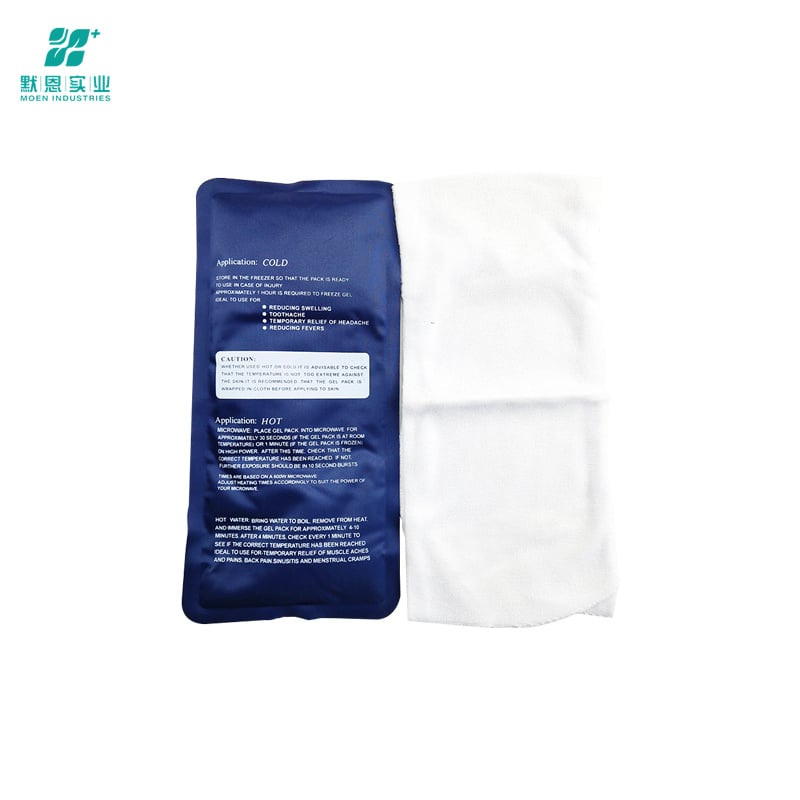
Heat therapy has been a cornerstone of pain management and recovery for centuries, providing natural relief for muscle aches, joint stiffness, and chronic pain conditions. Understanding proper application duration for a heat pack is crucial for maximizing therapeutic benefits while avoiding potential skin damage or burns. Medical professionals consistently emphasize that safe heat therapy requires careful attention to timing, temperature, and individual patient factors to ensure optimal healing outcomes.

The therapeutic window for heat application involves complex physiological processes that promote circulation, reduce muscle tension, and accelerate tissue repair. Modern healthcare practitioners recommend specific protocols based on extensive research demonstrating how controlled heat exposure triggers beneficial responses in soft tissues, blood vessels, and nerve pathways. These evidence-based guidelines help patients achieve maximum relief while maintaining safety standards throughout their treatment regimen.
Optimal Duration Guidelines for Heat Pack Application
Standard Application Timeframes
Healthcare professionals typically recommend applying heat packs for 15 to 20 minutes per session, with this duration providing optimal therapeutic benefits without risking tissue damage. This timeframe allows sufficient heat penetration to reach deeper muscle layers while preventing overexposure that could lead to burns or skin irritation. Clinical studies demonstrate that sessions exceeding 30 minutes rarely provide additional benefits and may increase the risk of adverse effects.
The 15-20 minute window corresponds with the body's natural vasodilation response, during which blood vessels expand to increase circulation to the treated area. This enhanced blood flow delivers oxygen and nutrients essential for healing while removing metabolic waste products that contribute to pain and inflammation. Extending beyond this timeframe can lead to diminishing returns as the body's adaptive mechanisms plateau.
Factors Affecting Application Duration
Individual factors significantly influence appropriate heat pack application duration, including age, skin sensitivity, medical conditions, and the specific area being treated. Elderly patients and those with diabetes often require shorter sessions due to reduced sensation and slower healing responses. Children and individuals with sensitive skin may need modified protocols with lower temperatures and abbreviated timeframes.
The treatment location also determines optimal duration, as areas with thinner skin coverage or closer proximity to bone require more conservative approaches. Joints like wrists, ankles, and knees may benefit from shorter 10-15 minute sessions, while larger muscle groups in the back or thighs can typically tolerate standard 20-minute applications. Understanding these anatomical considerations helps prevent complications while maximizing therapeutic outcomes.
Safety Protocols and Risk Prevention
Temperature Management Guidelines
Maintaining appropriate temperature levels is essential for safe heat pack usage, with most therapeutic applications requiring temperatures between 104-113°F (40-45°C). Temperatures exceeding 115°F can cause thermal injuries within minutes, making temperature monitoring crucial for preventing burns. Many commercial heat packs include temperature indicators or built-in controls to help users maintain safe parameters throughout treatment sessions.
Professional-grade heating devices often feature automatic shut-off mechanisms that activate after predetermined timeframes, providing additional safety measures for users who might lose track of application duration. These safety features are particularly valuable for individuals with compromised sensation or those who might fall asleep during treatment. Regular temperature checks using infrared thermometers can provide objective measurements when dealing with reusable heating pads or gel packs.
Skin Protection Measures
Proper skin protection during heat therapy involves using barrier materials such as thin towels or protective covers to prevent direct contact between heating devices and skin surfaces. This protective layer helps distribute heat more evenly while reducing the risk of localized hot spots that could cause burns. Cotton materials work well for this purpose, as they allow heat transfer while providing necessary insulation.
Regular skin inspection during and after heat application helps identify early signs of thermal damage, including redness that persists beyond 30 minutes, blistering, or changes in skin texture. Patients should immediately discontinue heat therapy if any concerning symptoms develop and consult healthcare providers for guidance. Documenting skin responses helps establish individual tolerance levels and optimize future treatment protocols.
Medical Conditions and Special Considerations
Contraindications for Heat Therapy
Certain medical conditions require special caution or complete avoidance of heat therapy, including acute inflammatory conditions, open wounds, impaired circulation, and neurological disorders affecting sensation. Patients with peripheral neuropathy may not detect excessive heat, increasing burn risk significantly. Inflammatory conditions like acute arthritis flares may worsen with heat application, requiring cold therapy instead.
Cardiovascular conditions can affect how the body responds to heat therapy, as increased circulation demands may stress compromised heart function. Individuals taking blood-thinning medications should exercise particular caution, as altered circulation patterns may affect heat distribution and increase sensitivity to thermal injury. Consulting healthcare providers before initiating heat therapy helps identify potential risks and establish appropriate protocols.
Pregnancy and Age-Related Considerations
Pregnant women require modified heat therapy protocols, particularly avoiding application to the abdomen or lower back areas where increased temperatures might affect fetal development. Localized heat application to extremities is generally considered safer, but duration should be limited to 10-15 minutes with careful temperature monitoring. Hormonal changes during pregnancy can alter skin sensitivity and heat tolerance.
Pediatric and geriatric populations need customized approaches due to differences in skin thickness, circulation patterns, and heat sensitivity. Children under 12 typically require adult supervision and shortened application times, while elderly patients may need longer intervals between treatments to allow skin recovery. Age-related changes in collagen structure and blood vessel integrity affect heat tolerance and healing responses.
Professional Treatment vs. Home Applications
Clinical Heat Therapy Standards
Professional healthcare settings employ sophisticated heating devices with precise temperature controls, automatic timers, and monitoring capabilities that exceed typical home equipment. Physical therapy clinics often use modalities like ultrasound heating, shortwave diathermy, or infrared radiation that penetrate deeper than surface heating pads. These professional treatments may extend beyond standard 20-minute protocols under direct supervision.
Licensed therapists receive extensive training in heat therapy applications, enabling them to customize treatments based on individual patient needs and responses. Professional assessment includes evaluation of skin condition, circulation status, pain levels, and treatment goals to optimize therapeutic outcomes. This expertise allows for more aggressive treatment protocols when appropriate while maintaining strict safety standards.
Home Heat Pack Selection and Usage
Home heat therapy relies primarily on electric heating pads, microwaveable packs, or chemical heat packs that provide convenient but less controllable heat sources. Electric heating pads offer the most consistent temperature control with multiple settings and automatic shut-off features. Gel-based packs provide conformable heat distribution but require careful heating to avoid overtemperature conditions.
Proper home usage involves reading manufacturer instructions carefully, testing temperature on less sensitive skin areas before applying to treatment sites, and setting timers to prevent overexposure. Quality heat packs should maintain consistent temperatures throughout the application period and cool gradually rather than creating sudden temperature changes. Investment in higher-quality devices often provides better safety features and more reliable performance.
Maximizing Therapeutic Benefits
Combining Heat Therapy with Other Treatments
Heat therapy effectiveness increases when combined with gentle stretching, massage, or movement exercises performed during or immediately after heat application. The increased tissue pliability from heat exposure creates optimal conditions for range-of-motion activities and muscle mobilization. This integrated approach addresses multiple aspects of pain and dysfunction simultaneously.
Alternating heat and cold therapy, known as contrast therapy, can provide enhanced benefits for certain conditions like delayed-onset muscle soreness or chronic pain syndromes. This technique involves applying heat for the standard duration followed by brief cold application, creating vascular pumping effects that may accelerate healing. However, this advanced technique requires careful timing and temperature management.
Timing and Frequency Considerations
Optimal timing for heat therapy application depends on the specific condition being treated and individual response patterns. Morning applications can help reduce stiffness associated with arthritis or chronic pain conditions, while evening treatments may promote relaxation and improve sleep quality. Some conditions benefit from pre-activity heat application to prepare tissues for movement.
Frequency of heat therapy sessions varies from daily applications for chronic conditions to periodic use for acute injuries or muscle soreness. Most healthcare providers recommend allowing at least 2-3 hours between heat applications to prevent skin irritation and allow tissue recovery. Maintaining treatment logs helps identify optimal timing patterns and track therapeutic progress over time.
FAQ
Can I sleep with a heat pack on overnight?
Sleeping with a heat pack is strongly discouraged due to burn risks and the inability to monitor skin condition during unconscious periods. Most heat-related injuries occur during sleep when users cannot respond to excessive temperatures or prolonged exposure. If nighttime heat therapy is necessary, use devices with automatic shut-off timers set for maximum 20-minute cycles.
What should I do if my skin becomes red after heat pack use?
Mild redness that fades within 30 minutes after heat removal is normal and indicates proper circulation response. However, persistent redness, blistering, or skin texture changes require immediate discontinuation of heat therapy and possible medical evaluation. Apply cool compresses to reduce inflammation and monitor the area closely for signs of thermal injury.
How often can I use a heat pack in one day?
Most healthcare providers recommend limiting heat pack applications to 2-3 sessions per day with at least 2-3 hours between treatments. This spacing allows skin recovery and prevents overexposure that could lead to tissue damage. Chronic conditions may tolerate more frequent applications under professional guidance, while acute injuries typically require more conservative approaches.
Are there any medications that affect heat pack safety?
Several medications can affect heat sensitivity and circulation responses, including blood thinners, certain antidepressants, and medications affecting nerve function. Topical pain relievers containing menthol or capsaicin may increase heat sensitivity and require modified application protocols. Always consult healthcare providers about potential drug interactions before starting heat therapy regimens.