
 EN
EN

Attention Deficit Hyperactivity Disorder affects millions of children and adults worldwide, creating challenges in focus, impulse control, and emotional regulation. As traditional management approaches continue to evolve, many families and educators are exploring complementary tools that can provide additional support. Among these innovative solutions, sensory fidget toys have emerged as promising aids that offer tactile stimulation and stress relief for individuals navigating ADHD symptoms.
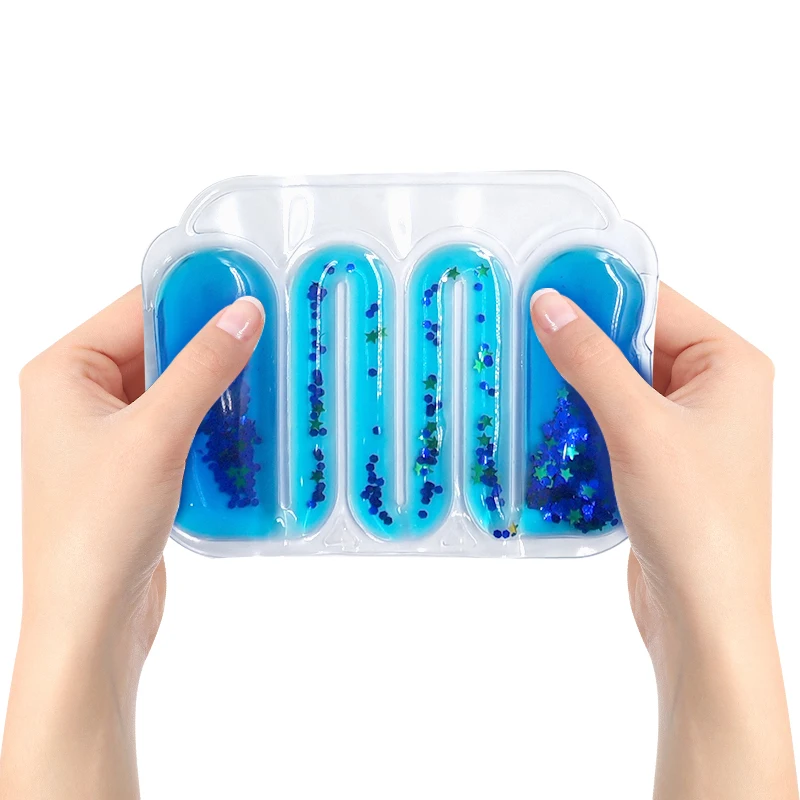
The growing recognition of sensory processing differences in ADHD has led researchers and practitioners to investigate how tactile interventions can complement existing treatment strategies. These specialized tools work by engaging the nervous system through controlled sensory input, potentially helping individuals achieve better self-regulation and sustained attention. Understanding the science behind these interventions reveals why they have become increasingly popular in educational settings, therapeutic environments, and home-based support systems.
Understanding ADHD and Sensory Processing Connections
Neurological Foundations of ADHD
ADHD involves complex neurological differences that affect executive functioning, attention regulation, and behavioral control. Research indicates that individuals with ADHD often experience altered dopamine and norepinephrine activity in brain regions responsible for focus and impulse management. These neurochemical variations can create heightened sensitivity to environmental stimuli, making it challenging to filter distractions and maintain sustained attention on tasks.
The prefrontal cortex, which governs executive functions like working memory and cognitive flexibility, frequently shows decreased activation in ADHD brains. This reduction can manifest as difficulty organizing thoughts, managing time effectively, and transitioning between activities. Understanding these underlying mechanisms helps explain why external sensory tools might provide beneficial support by offering alternative pathways for nervous system regulation.
Sensory Processing Challenges in ADHD
Many individuals with ADHD experience co-occurring sensory processing differences that can exacerbate attention and behavioral challenges. These may include hypersensitivity to textures, sounds, or visual stimuli, as well as seeking behaviors that involve movement or tactile input. The nervous system's attempt to achieve optimal arousal levels can result in restlessness, fidgeting, or difficulty remaining seated during focused activities.
Proprioceptive and vestibular processing differences are particularly common, affecting body awareness and spatial orientation. These challenges can contribute to the characteristic hyperactive behaviors associated with ADHD, as individuals unconsciously seek sensory input to regulate their arousal levels. Recognizing these patterns provides insight into why targeted sensory interventions might offer meaningful support for symptom management.
The Science Behind Tactile Stimulation and Focus
Neuroplasticity and Sensory Integration
The brain's remarkable ability to reorganize and adapt through neuroplasticity forms the foundation for understanding how tactile interventions can support ADHD management. When individuals engage with textured or manipulative objects, they activate neural pathways that can promote improved focus and emotional regulation. This process involves the integration of sensory information across multiple brain regions, potentially enhancing overall cognitive performance.
Research in occupational therapy and neuroscience suggests that controlled sensory input can help modulate arousal levels and improve attention spans. The tactile system's connection to the limbic system, which processes emotions and stress responses, may explain why manipulative activities can have calming effects. These neurological connections demonstrate the potential for sensory-based tools to complement traditional ADHD interventions.
Stress Reduction and Cortisol Regulation
Chronic stress and elevated cortisol levels can significantly impact ADHD symptoms, creating a cycle where attention difficulties lead to increased stress, which further impairs cognitive function. Tactile stimulation through manipulative activities has been shown to activate the parasympathetic nervous system, promoting relaxation responses and potentially reducing stress hormone production. This physiological shift can create more favorable conditions for sustained attention and learning.
Studies examining the effects of repetitive tactile activities on stress markers have found promising results in various populations. The rhythmic, controlled nature of fidgeting behaviors may serve as a form of self-soothing that helps regulate emotional responses and maintain optimal arousal levels for cognitive tasks. Understanding these mechanisms provides scientific support for incorporating sensory tools into comprehensive ADHD management strategies.
Types and Applications of Decompression Tools
Texture-Based Interventions
Texture-based sensory tools offer diverse tactile experiences that can help individuals with ADHD achieve better focus and emotional regulation. Squishy materials, textured surfaces, and moldable substances provide opportunities for repetitive manipulation that may support sustained attention during challenging tasks. These tools work by engaging the tactile system in ways that can promote calming responses while maintaining cognitive engagement.
The variety of textures available allows for personalized approaches based on individual sensory preferences and needs. Some individuals may benefit from smooth, flowing textures that provide gentle stimulation, while others might require more intense tactile input through bumpy or resistant materials. This customization potential makes texture-based interventions particularly valuable for addressing the diverse sensory profiles seen in ADHD populations.
Movement-Based Sensory Tools
Movement-oriented sensory fidget toys address the proprioceptive and vestibular needs commonly present in ADHD by providing controlled opportunities for physical engagement. These tools can include items that bounce, roll, or require coordinated finger movements, offering alternatives to disruptive fidgeting behaviors while maintaining cognitive engagement. The key advantage lies in their ability to satisfy movement needs without significantly disrupting learning environments.
Research suggests that appropriate movement integration can actually enhance cognitive performance in individuals with ADHD rather than serving as a distraction. By providing structured outlets for kinesthetic needs, these tools may help redirect hyperactive tendencies into productive channels. This approach recognizes that movement can be a necessary component of optimal functioning rather than simply a behavior to suppress.
Implementation Strategies for Different Environments
Educational Setting Applications
Successful integration of sensory tools in educational environments requires careful consideration of classroom dynamics, teacher acceptance, and student needs. Educators who understand the therapeutic potential of these interventions can create supportive policies that allow appropriate use while maintaining learning-focused atmospheres. This might involve establishing clear guidelines about when and how sensory fidget toys can be used during different types of activities.
Training programs for teachers can help them recognize the difference between distracting fidgeting and therapeutic sensory engagement. When educators understand the science behind these tools, they become more likely to support their appropriate use and even suggest them for students who might benefit. This collaborative approach between educational and therapeutic professionals can significantly enhance the effectiveness of sensory interventions in school settings.
Home and Family Integration
Family environments offer unique opportunities for incorporating sensory tools into daily routines and homework periods. Parents who understand their child's sensory needs can create supportive spaces that include appropriate tactile options during focused activities like reading or homework completion. This might involve establishing designated sensory break areas or incorporating manipulative tools into study routines.
Consistency between home and school approaches can amplify the benefits of sensory interventions by providing stable, predictable support across environments. Families can work with occupational therapists and educators to identify which tools are most effective for their child and develop strategies for appropriate use in various situations. This coordinated approach helps ensure that sensory support becomes an integrated part of the child's overall management strategy rather than an isolated intervention.
Research Evidence and Clinical Outcomes
Current Study Findings
Emerging research on sensory interventions for ADHD has produced encouraging results, though researchers emphasize the need for continued investigation into optimal applications and individual variations. Several studies have documented improvements in attention span, task completion rates, and behavioral regulation when appropriate sensory tools are incorporated into treatment plans. These findings suggest that tactile interventions may serve as valuable adjuncts to traditional ADHD management approaches.
Controlled trials examining the effects of sensory fidget toys in classroom settings have shown measurable improvements in on-task behavior and academic performance for some students with ADHD. However, researchers note that individual responses vary significantly, highlighting the importance of personalized approaches rather than one-size-fits-all solutions. This variability underscores the need for professional assessment and ongoing monitoring when implementing sensory interventions.
Long-term Impact Considerations
Long-term studies tracking the sustained benefits of sensory interventions are still emerging, but preliminary evidence suggests that consistent use of appropriate tools may contribute to improved self-regulation skills over time. The development of better sensory awareness and coping strategies through regular use of tactile tools might have lasting benefits that extend beyond immediate symptom management. This potential for skill development makes sensory interventions particularly appealing as components of comprehensive treatment approaches.
Longitudinal research is examining whether early introduction of sensory tools might help individuals with ADHD develop more effective self-regulation strategies that continue into adulthood. The hypothesis that structured sensory experiences could support the development of internal coping mechanisms represents an exciting area for future investigation. These potential long-term benefits add another dimension to the value proposition of incorporating sensory interventions into ADHD management plans.
Selecting Appropriate Tools and Professional Guidance
Assessment and Individualization
Choosing effective sensory tools requires careful assessment of individual sensory preferences, ADHD symptom patterns, and environmental considerations. Occupational therapists specializing in sensory processing can conduct comprehensive evaluations that identify specific sensory needs and recommend appropriate interventions. This professional assessment helps ensure that selected tools will support rather than hinder focus and behavioral goals.
Individual sensory profiles can vary dramatically, even among people with similar ADHD presentations, making personalized assessment crucial for success. Some individuals may benefit from calming, organizing sensory input, while others require more alerting stimulation to achieve optimal arousal levels. Professional guidance helps navigate these complexities and increases the likelihood of positive outcomes from sensory interventions.
Safety and Quality Considerations
Safety considerations play a crucial role in selecting appropriate sensory tools, particularly for children who may be prone to putting objects in their mouths or using items in unintended ways. High-quality materials that can withstand repeated use and manipulation are essential for maintaining safety standards while providing therapeutic benefits. Professional recommendations can help families identify reputable sources and appropriate products for their specific needs.
Regular monitoring and replacement of sensory tools ensures continued safety and effectiveness over time. Worn or damaged items may not provide appropriate sensory input and could pose safety risks, making ongoing assessment important for sustained success. Professional oversight helps maintain quality standards and adjust interventions as needs change with development and improved self-regulation skills.
FAQ
How quickly can sensory fidget toys show benefits for ADHD symptoms
Most individuals begin experiencing some benefits from appropriate sensory tools within days to weeks of consistent use, though optimal effects often develop over several months. Initial improvements might include better focus during specific activities or reduced restlessness during seated tasks. Long-term benefits such as improved self-regulation skills and increased awareness of sensory needs typically develop with continued use and professional guidance.
Are there any risks associated with using decompression toys for ADHD management
When selected appropriately and used under professional guidance, sensory tools carry minimal risks for most individuals. Potential concerns include choosing items inappropriate for developmental level, using tools that become distracting rather than helpful, or relying solely on sensory interventions without addressing other aspects of ADHD management. Professional assessment helps minimize these risks while maximizing therapeutic benefits.
Can sensory interventions replace traditional ADHD treatments
Sensory tools work best as complementary interventions alongside established ADHD treatments rather than as standalone solutions. They can enhance the effectiveness of behavioral strategies, educational accommodations, and when appropriate, medication management. The most successful approaches typically integrate sensory support with comprehensive treatment plans developed by qualified healthcare professionals specializing in ADHD care.
What age groups benefit most from tactile sensory interventions
Sensory interventions can provide benefits across all age groups, from preschoolers to adults with ADHD, though specific tools and applications may vary by developmental stage. Young children often benefit from simple textured or squishy items, while adolescents and adults may prefer more sophisticated tools that can be used discretely in academic or work environments. Professional assessment helps identify age-appropriate options that match individual needs and social contexts.