
 EN
EN

Understanding the Science Behind Temperature Therapy for Pain Relief
Living with chronic pain can be an overwhelming experience that affects every aspect of daily life. Among the various treatment options available, hot and cold therapy stands out as one of the most accessible and effective methods for managing persistent discomfort. This time-tested approach has been used for centuries and continues to be recommended by healthcare professionals worldwide.
The therapeutic use of temperature variations works by influencing blood flow, nerve signals, and tissue inflammation. When applied correctly, these simple yet powerful tools can provide significant relief and improve quality of life for those suffering from chronic pain conditions.
The Therapeutic Benefits of Temperature-Based Treatment
How Heat Therapy Promotes Healing
Heat therapy works by increasing blood flow to the affected area, which helps deliver essential nutrients and oxygen to damaged tissues. When you apply heat to a painful area, it dilates blood vessels and improves circulation, making muscles more pliable and reducing stiffness. This increased blood flow can help speed up the healing process and provide immediate comfort.
The application of heat therapy also helps decrease muscle spasms, reduces joint stiffness, and can alleviate different types of pain. Many people find that heat treatment is particularly effective for morning stiffness and chronic conditions like arthritis.
Cold Therapy's Role in Pain Management
Cold therapy, alternatively, works by reducing blood flow to a particular area, which can significantly decrease inflammation and swelling. When you apply cold to an affected area, it causes blood vessels to constrict and slows down nerve impulses, which reduces pain signals to the brain.
The numbing effect of cold therapy can provide immediate relief from acute pain and is particularly effective in managing recent injuries or flare-ups of chronic conditions. It's also beneficial in reducing tissue damage and preventing inflammation from spreading to surrounding areas.
Optimal Application Methods for Temperature Therapy
Proper Heat Application Techniques
For maximum benefit from hot and cold therapy, proper application techniques are crucial. When applying heat, use a temperature that feels comfortable - warm enough to penetrate tissues but not so hot that it risks burning the skin. Most experts recommend applying heat for 15-20 minutes at a time, with a thin towel between the heat source and your skin for protection.
Heat therapy can be applied through various methods, including heating pads, warm compresses, heat wraps, or warm baths. For deeper penetration, moist heat often works better than dry heat, as it can penetrate tissues more effectively.
Best Practices for Cold Treatment
Cold therapy requires careful timing and proper protection of the skin. Apply cold packs wrapped in a thin towel for 10-15 minutes at a time, with at least a two-hour break between applications. Never apply ice directly to the skin, as this can cause tissue damage.
Cold therapy options include ice packs, frozen gel packs, or even bags of frozen vegetables. The key is maintaining a consistent temperature throughout the application period while protecting the skin from direct contact with the freezing surface.
When to Choose Heat Versus Cold Therapy
Conditions Best Treated with Heat
Heat therapy is typically most effective for chronic conditions and muscle pain. It's particularly beneficial for stiff joints, old injuries, and conditions like arthritis, fibromyalgia, and chronic back pain. Morning stiffness and muscle tension respond especially well to heat treatment.
Heat can also be beneficial before physical activity, as it helps prepare muscles and joints for movement by increasing flexibility and reducing stiffness. This makes it an excellent choice for pre-exercise warm-up routines.
Situations Calling for Cold Treatment
Cold therapy is most appropriate for acute injuries, recent sprains, and conditions involving inflammation. It's particularly effective within the first 48 hours after an injury or during flare-ups of chronic conditions that involve inflammation.
Athletes and active individuals often benefit from cold therapy after intense exercise to prevent inflammation and reduce muscle soreness. It's also helpful for migraine headaches and other conditions where inflammation plays a significant role.
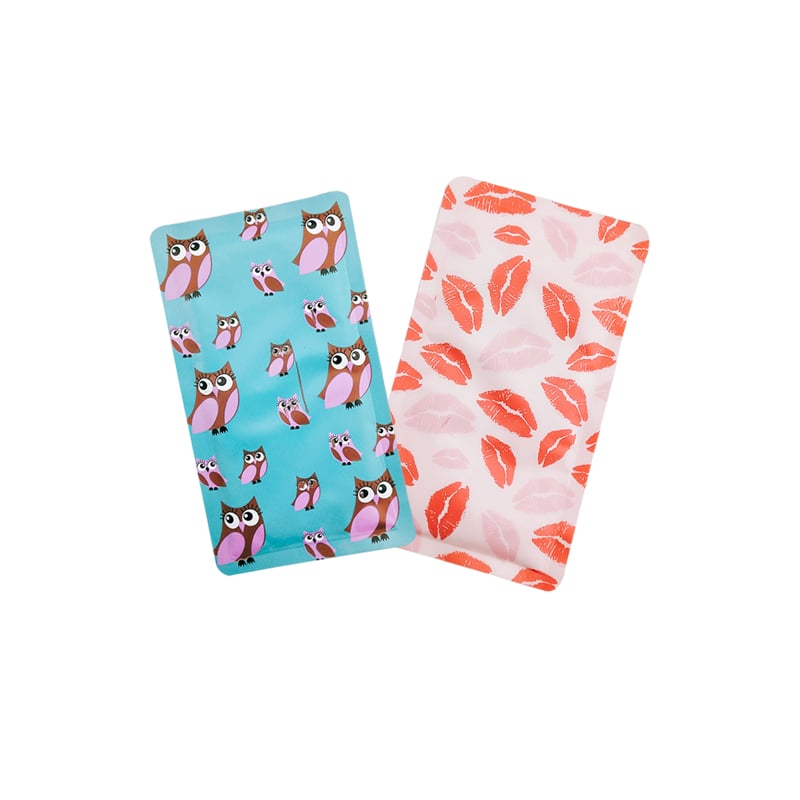
Maximizing the Benefits of Combined Therapy
Creating an Effective Treatment Schedule
Many people find that alternating between hot and cold therapy provides optimal relief for their chronic pain conditions. This approach, sometimes called contrast therapy, can be particularly effective when dealing with complex pain patterns or multiple affected areas.
To create an effective treatment schedule, consider your specific condition and pain patterns. Some people benefit from using heat in the morning to reduce stiffness, followed by cold therapy later in the day to manage inflammation. Others might alternate between hot and cold treatments throughout the day, depending on their activities and symptoms.
Safety Considerations and Precautions
While hot and cold therapy is generally safe, certain precautions should be observed. Never apply either treatment directly to the skin, and always monitor the skin's response during application. People with circulation problems, diabetes, or reduced sensation should consult their healthcare provider before starting temperature therapy.
It's also important to respect the recommended application times and allow adequate rest periods between treatments. Overuse of either heat or cold can potentially cause tissue damage or worsen certain conditions.
Frequently Asked Questions
How long should I apply hot or cold therapy for optimal results?
For heat therapy, apply for 15-20 minutes at a time. Cold therapy should be limited to 10-15 minutes per session, with at least two hours between applications. Always use a protective layer between the temperature source and your skin.
Can I use hot and cold therapy together on the same day?
Yes, you can alternate between hot and cold therapy on the same day, known as contrast therapy. However, allow adequate time between treatments and pay attention to how your body responds to determine the most effective schedule for your condition.
What signs indicate I should stop using temperature therapy?
Discontinue use and consult a healthcare provider if you experience increased pain, skin irritation, numbness, or unusual changes in skin color. These symptoms could indicate improper application or an underlying condition that requires different treatment approaches.