
 EN
EN
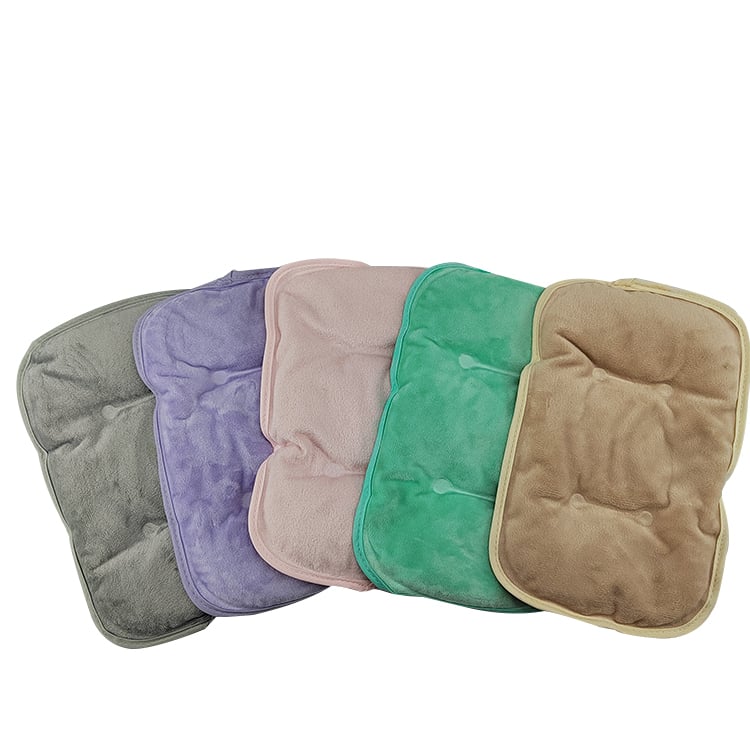
Modern households increasingly seek convenient solutions for pain relief and muscle relaxation without the need for elaborate equipment or frequent trips to healthcare facilities. Microwaveable heat packs have emerged as a practical alternative to traditional heating methods, offering immediate warmth therapy that can be easily prepared in any standard kitchen microwave. These therapeutic devices provide targeted relief for various conditions including muscle tension, arthritis discomfort, and general aches that commonly affect individuals throughout their daily routines. The growing popularity of these heat therapy solutions reflects a broader trend toward accessible home wellness products that integrate seamlessly into busy lifestyles.

Understanding Microwaveable Heat Pack Technology
Core Components and Heating Mechanisms
Microwaveable heat packs utilize natural filling materials that possess excellent heat retention properties and can safely absorb microwave energy without compromising their structural integrity. Common filling materials include flaxseeds, rice, wheat, and specialized gel compounds that each offer unique advantages in terms of heat distribution and longevity. Flaxseed-filled packs tend to provide more consistent temperature retention due to the natural oils present in the seeds, while rice-based alternatives offer cost-effective solutions with adequate heating performance. The outer fabric covering typically consists of cotton or cotton blends that can withstand repeated heating cycles without deterioration or safety concerns.
The heating mechanism relies on the microwave's ability to excite water molecules within the filling material, generating thermal energy that distributes throughout the pack's interior. This process creates sustained warmth that typically lasts between twenty to forty minutes depending on the specific materials used and the initial heating duration. Advanced designs incorporate sectioned compartments that prevent filling migration and ensure even heat distribution across the entire surface area of the pack.
Safety Features and Design Considerations
Manufacturing standards for quality microwaveable heat packs incorporate multiple safety features to prevent overheating incidents and ensure consistent performance across numerous heating cycles. Temperature-resistant stitching prevents seam failure during heating, while breathable fabric selections allow for gradual moisture release that prevents dangerous steam buildup. Many commercial products include removable covers that facilitate easy cleaning and maintenance, extending the overall lifespan of the therapeutic device.
Design considerations also address ergonomic factors, with contoured shapes that conform to specific body areas such as necks, shoulders, and lower backs. Weight distribution becomes crucial for user comfort, particularly for products intended for extended wear during relaxation or sleep periods. Premium products often feature adjustable straps or ties that secure the pack in optimal positions without restricting natural movement or circulation.
Convenience Factors for Home Applications
Preparation Time and Ease of Use
One of the primary advantages of microwaveable heat packs lies in their minimal preparation requirements, typically requiring only ninety seconds to three minutes of microwave heating depending on the desired temperature level. This rapid preparation time makes them particularly suitable for addressing sudden onset pain or discomfort that requires immediate attention. Unlike electric heating pads that require nearby electrical outlets and pose potential safety risks, microwaveable heat packs offer complete portability and can be used anywhere within the home environment.
The simplicity of operation appeals to users of all ages, from elderly individuals seeking arthritis relief to athletes requiring post-workout muscle recovery. Clear heating instructions typically accompany quality products, eliminating guesswork and reducing the likelihood of overheating incidents that could compromise safety or product integrity. Many users appreciate the ability to customize heating levels by adjusting microwave duration, providing personalized comfort that adapts to individual sensitivity levels and specific therapeutic needs.
Storage and Maintenance Requirements
Compact storage represents another significant convenience factor, as these therapeutic devices typically fold or compress to occupy minimal space in linen closets, medicine cabinets, or bedside drawers. Unlike bulky electric heating equipment that requires dedicated storage areas and careful cord management, microwaveable alternatives integrate seamlessly into existing household storage systems without additional infrastructure requirements.
Maintenance demands remain minimal for quality products, generally requiring only occasional spot cleaning of removable covers and periodic inspection for wear indicators such as fabric deterioration or seam stress. Proper storage in dry environments prevents moisture-related issues that could affect heating performance or promote unwanted odors. The absence of electrical components eliminates concerns about cord damage, plug replacement, or electrical safety inspections that characterize traditional heating devices.
Therapeutic Applications and Benefits
Pain Management and Muscle Recovery
Heat therapy through microwaveable packs provides effective relief for various musculoskeletal conditions by increasing blood circulation to targeted areas and promoting muscle relaxation. The sustained warmth helps reduce muscle spasms, alleviate joint stiffness, and accelerate recovery processes following physical exertion or minor injuries. Healthcare professionals often recommend heat therapy as a complementary treatment for chronic conditions such as fibromyalgia, arthritis, and tension headaches.
The moist heat generated by natural filling materials offers superior therapeutic benefits compared to dry heat alternatives, as moisture enhances heat penetration into deeper tissue layers. This deeper warming effect can provide more comprehensive pain relief and muscle relaxation, particularly for individuals experiencing chronic discomfort or mobility limitations. Regular use as part of a comprehensive wellness routine can contribute to improved quality of life and reduced dependence on pharmaceutical pain management solutions.
Stress Relief and Relaxation Applications
Beyond specific pain management applications, microwaveable heat packs serve as valuable tools for general stress relief and relaxation enhancement. The comforting warmth can help reduce cortisol levels and promote the release of endorphins, contributing to improved mood and overall well-being. Many users incorporate these devices into evening routines, using them while reading, watching television, or practicing meditation to enhance relaxation experiences.
The portable nature of these heat sources makes them ideal for creating comfortable environments in various locations throughout the home, from bedroom relaxation sessions to living room entertainment periods. This versatility supports consistent stress management practices that can be maintained regardless of schedule changes or location preferences within the domestic environment.
Economic and Environmental Considerations
Cost-Effectiveness Compared to Alternatives
Initial investment costs for quality microwaveable heat packs typically range from fifteen to fifty dollars depending on size, materials, and additional features, representing significant savings compared to electric heating alternatives that may cost considerably more. Operating expenses remain minimal since heating requires only standard microwave electricity consumption, which amounts to pennies per use when calculated against typical residential energy rates.
Long-term cost analysis reveals additional advantages, as these products generally maintain effectiveness for several years with proper care and storage. The absence of replacement parts, electrical repairs, or specialized maintenance services further reduces total ownership costs. When compared to professional massage therapy sessions or spa treatments that provide similar relaxation benefits, home-based heat therapy represents substantial ongoing savings while delivering comparable therapeutic results.
Environmental Impact and Sustainability
Environmental considerations favor microwaveable heat packs over electric alternatives due to their reduced energy consumption patterns and absence of standby power requirements. Natural filling materials such as flaxseeds and organic grains represent renewable resources that biodegrade safely at the end of product lifecycle. Cotton fabric covers can often be composted or recycled through textile recovery programs, minimizing landfill contributions.
The durability of well-constructed products extends useful lifespan significantly, reducing replacement frequency and associated packaging waste. Many manufacturers now offer refillable designs that allow users to replace filling materials without discarding entire units, further enhancing sustainability profiles. This approach aligns with growing consumer preferences for environmentally responsible household products that minimize ecological footprints while maintaining functional effectiveness.
Selection Criteria and Quality Indicators
Material Quality and Construction Standards
Identifying high-quality microwaveable heat packs requires careful evaluation of construction materials, stitching integrity, and filling composition. Premium products typically feature double-stitched seams that withstand repeated heating cycles without developing leaks or weak points that could compromise safety or performance. Fabric selections should prioritize natural fibers that resist heat damage while maintaining softness and flexibility throughout extended use periods.
Filling material quality directly impacts both heating performance and longevity, with organic, food-grade materials generally providing superior results compared to lower-cost alternatives. Products containing additives or synthetic materials may produce inconsistent heating patterns or develop unpleasant odors over time. Reputable manufacturers typically provide detailed material specifications and safety certifications that demonstrate compliance with relevant consumer protection standards.
Size Options and Specialized Designs
Size selection depends largely on intended applications, with larger formats suitable for back and torso coverage while smaller designs target specific areas such as necks, wrists, or ankles. Specialized shapes designed for particular body regions often provide enhanced comfort and therapeutic effectiveness compared to generic rectangular formats. Some advanced products feature modular designs that allow users to connect multiple units for comprehensive coverage of larger treatment areas.
Weight considerations become important for products intended for mobile use or extended wear periods, as excessively heavy units may cause additional discomfort or prove impractical for certain applications. Quality products balance adequate thermal mass for sustained heating with reasonable weight distributions that maintain user comfort throughout treatment sessions.
FAQ
How long do microwaveable heat packs stay warm after heating
Most quality microwaveable heat packs maintain therapeutic warmth for approximately twenty to forty minutes after proper heating, depending on the filling material, ambient temperature, and initial heating duration. Flaxseed-filled products typically retain heat longer than rice-based alternatives due to natural oil content that enhances thermal retention properties. Users can extend warmth duration by covering the pack with blankets or towels that provide additional insulation during use.
Are there safety concerns with repeatedly heating these products
Quality microwaveable heat packs designed for repeated use can safely undergo hundreds of heating cycles when used according to manufacturer instructions. However, users should regularly inspect products for signs of wear such as fabric deterioration, seam stress, or unusual odors that might indicate filling degradation. Overheating beyond recommended times can damage both the product and microwave equipment while potentially creating safety hazards including burns or fire risks.
Can these heat packs be used for cold therapy applications
Many microwaveable heat packs can also serve as cold therapy devices when stored in freezers for several hours before application. The same natural filling materials that retain heat effectively also maintain cold temperatures, making these products versatile therapeutic tools suitable for both heat and cold treatment protocols. Cold applications prove particularly beneficial for acute injuries, inflammation reduction, and post-exercise recovery where reduced tissue temperature provides therapeutic advantages.
What maintenance is required to keep these products functioning properly
Proper maintenance involves storing products in dry locations away from direct sunlight and extreme temperatures that could affect filling material integrity. Removable covers should be washed regularly according to fabric care instructions, while the inner heating unit requires only occasional inspection for damage or wear indicators. Avoiding overheating and allowing products to cool completely between uses helps maximize lifespan and maintain optimal performance throughout the product's useful lifetime.