
 EN
EN
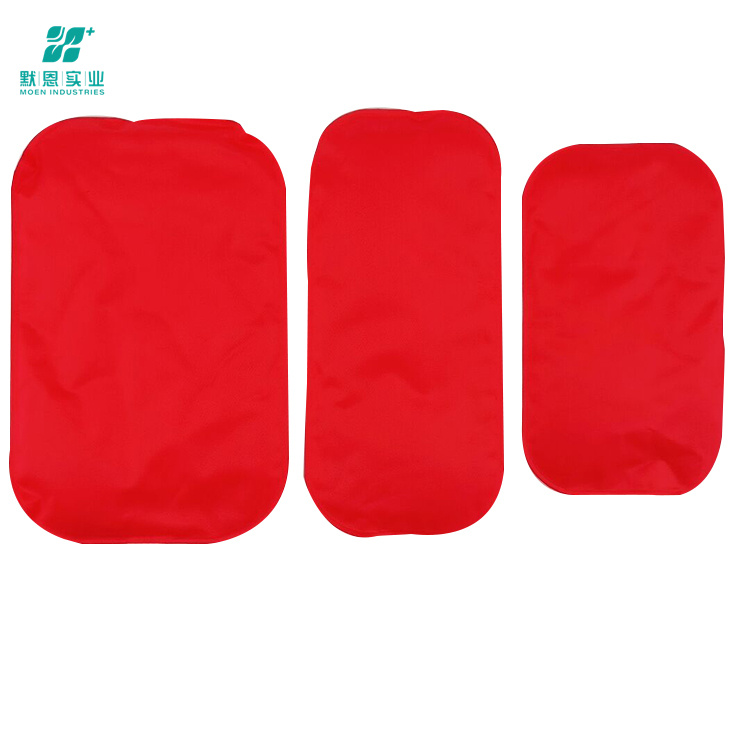
Cold weather conditions can significantly impact blood circulation, particularly in the extremities such as hands and fingers. When temperatures drop, the body's natural response is to constrict blood vessels to preserve core body temperature, which reduces blood flow to the hands and feet. This physiological reaction can lead to discomfort, numbness, and reduced dexterity. Many people turn to hand warmers as a practical solution to maintain warmth and potentially improve circulation during cold exposure.
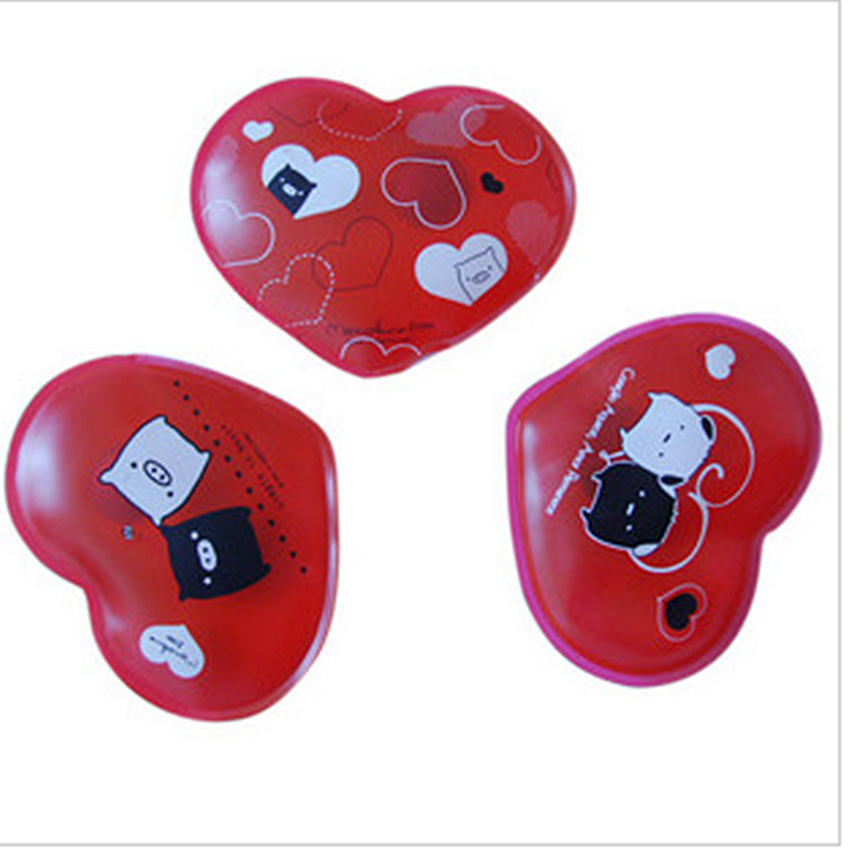
The relationship between external heat sources and circulation has been studied extensively in medical and sports science literature. Heat application can promote vasodilation, which is the widening of blood vessels that allows for increased blood flow. This mechanism suggests that portable heating devices like hand warmers may indeed provide circulatory benefits beyond simple comfort. Understanding how these devices work and their potential health benefits can help individuals make informed decisions about cold weather protection.
Understanding Circulation and Cold Weather Effects
How Cold Affects Blood Flow
When exposed to cold temperatures, the human body initiates a complex series of physiological responses designed to maintain core temperature. The sympathetic nervous system triggers vasoconstriction, causing blood vessels in the extremities to narrow significantly. This process redirects warm blood toward vital organs, but it comes at the cost of reduced circulation to hands, feet, and other peripheral areas.
The vasoconstriction response can be particularly pronounced in individuals with certain medical conditions such as Raynaud's disease, diabetes, or peripheral arterial disease. Even healthy individuals may experience significant discomfort and functional impairment when their hands become too cold. The reduced blood flow can lead to decreased oxygen delivery to tissues, slower metabolic processes, and impaired motor function.
Signs of Poor Circulation in Cold Weather
Recognizing the symptoms of reduced circulation is important for understanding when intervention may be necessary. Common signs include skin color changes, with hands appearing pale, blue, or mottled. The skin may feel cold to the touch and have a waxy or shiny appearance. Numbness and tingling sensations are frequently reported, along with reduced sensation and difficulty performing fine motor tasks.
More severe cases may involve pain, particularly when rewarming occurs, and in extreme situations, tissue damage can result from prolonged exposure to cold temperatures with poor circulation. These symptoms highlight the importance of maintaining adequate warmth and circulation during cold weather exposure, whether for work, recreation, or daily activities.
The Science Behind Hand Warmers and Heat Therapy
Mechanisms of Heat Transfer
Hand warmers operate on various principles of heat generation and transfer, depending on their design and technology. Chemical hand warmers typically use iron oxidation reactions or crystallization processes to generate heat, while rechargeable electric models use battery-powered heating elements. The heat produced by these devices is transferred to the skin through conduction, providing localized warming that can influence blood vessel behavior.
The application of gentle heat to the skin triggers thermoreceptors, which send signals to the nervous system that can modulate the vasoconstriction response. This process, known as thermotherapy, has been used in medical settings for decades to treat various circulatory conditions. The controlled application of heat can promote vasodilation, potentially counteracting some of the circulation-reducing effects of cold exposure.
Physiological Response to External Heat
When hand warmers provide consistent, moderate heat to the hands, several physiological processes are activated that may benefit circulation. The heat stimulates local blood vessel dilation, which can increase blood flow to the heated area. This effect may extend beyond the immediate contact zone, potentially influencing circulation in nearby tissues and contributing to overall hand warmth and function.
Additionally, the psychological comfort provided by hand warmers may reduce stress-related vasoconstriction. Cold exposure can trigger stress responses that further restrict blood flow, so the comfort and warmth provided by these devices may help break this cycle. The improved circulation can enhance oxygen delivery, nutrient transport, and waste removal from hand tissues, supporting better function and comfort in cold conditions.
Types of Hand Warmers and Their Effectiveness
Disposable Chemical Hand Warmers
Single-use chemical hand warmers are widely available and convenient for occasional use. These devices typically contain iron powder that oxidizes when exposed to air, generating heat for several hours. The consistent temperature output and portability make them popular for outdoor activities, though their environmental impact and ongoing cost can be considerations for regular users.
The heat output from chemical hand warmers is generally steady but may not be adjustable, which could be limiting for individuals with specific temperature preferences or sensitivities. However, their reliability and ease of use make them effective for emergency situations or infrequent cold exposure scenarios where circulation support is needed.
Rechargeable Electric Hand Warmers
Modern rechargeable hand warmers offer several advantages over disposable alternatives, including adjustable temperature settings, longer-term cost effectiveness, and environmental sustainability. These devices typically use lithium-ion batteries to power heating elements, allowing users to control the intensity and duration of heat application based on their specific needs and conditions.
The ability to adjust temperature settings makes electric hand warmers particularly suitable for individuals who need to manage circulation carefully, such as those with medical conditions affecting blood flow. Many models also serve dual purposes as power banks for mobile devices, adding practical value for outdoor enthusiasts and workers who spend extended periods in cold environments.
Practical Applications for Circulation Improvement
Outdoor Work and Recreation
Professionals who work outdoors during cold seasons often face significant challenges in maintaining hand warmth and dexterity. Construction workers, delivery personnel, and emergency responders may find that hand warmers help preserve circulation and functionality during extended cold exposure. The improved blood flow can enhance grip strength, fine motor control, and overall work safety.
Recreational activities such as skiing, hiking, fishing, and camping also benefit from the circulation support provided by hand warmers. These activities often involve prolonged exposure to cold conditions where natural body warming may be insufficient. Hand warmers can help maintain the blood flow necessary for equipment handling, navigation, and emergency preparedness in cold weather environments.
Medical and Therapeutic Uses
Individuals with circulation-related medical conditions may find hand warmers particularly beneficial as part of their cold weather management strategy. People with Raynaud's disease, arthritis, or peripheral neuropathy often experience more severe circulation problems in cold weather, and the gentle, consistent heat from hand warmers may help alleviate symptoms and maintain function.
Physical therapists and occupational therapists sometimes recommend heat therapy as part of treatment protocols for hand and wrist conditions. Hand warmers can provide a convenient way to apply therapeutic heat during daily activities, potentially supporting circulation and reducing stiffness associated with cold-related muscle and joint problems.
Safety Considerations and Best Practices
Proper Usage Guidelines
While hand warmers are generally safe when used correctly, following proper usage guidelines is essential for both effectiveness and safety. Users should avoid direct skin contact with very hot surfaces and should not sleep with hand warmers or use them on areas with reduced sensation. The devices should be used according to manufacturer instructions, with attention to maximum usage times and temperature limits.
Individuals with certain medical conditions, including diabetes, peripheral vascular disease, or skin sensitivity disorders, should consult healthcare providers before using hand warmers regularly. These conditions can affect sensation and circulation in ways that may increase the risk of heat-related injury or may require modified usage approaches to achieve optimal benefits safely.
Recognizing Limitations and When to Seek Help
Hand warmers are tools for comfort and mild circulation support, but they are not medical treatments for serious circulatory disorders. Users should understand that while these devices may provide temporary relief and improved comfort, underlying circulation problems require proper medical evaluation and treatment. Persistent numbness, pain, or color changes in the hands during cold weather may indicate conditions that need professional attention.
Emergency situations involving frostbite or severe hypothermia require immediate medical care and should not be treated solely with hand warmers. Gradual rewarming under medical supervision is typically necessary for serious cold injuries, and inappropriate heating methods can potentially cause additional tissue damage.
FAQ
How long should hand warmers be used for circulation benefits
Hand warmers can typically be used safely for several hours at a time, depending on the type and heat output. Most disposable chemical hand warmers provide heat for 6-8 hours, while rechargeable models may last 2-6 hours depending on heat settings. For circulation benefits, using hand warmers intermittently rather than continuously may be most effective, allowing natural circulation patterns to resume between warming sessions. Users should monitor their skin condition and comfort level, adjusting usage duration based on individual response and environmental conditions.
Are there any risks associated with using hand warmers for circulation
When used properly, hand warmers pose minimal risks for most people. However, potential concerns include skin irritation from prolonged contact with heat, burns from excessively hot devices, and dependency on external heat sources. Individuals with reduced sensation, circulation disorders, or skin conditions should exercise extra caution and may need to use lower temperature settings or shorter exposure times. It's important to follow manufacturer guidelines and discontinue use if any adverse reactions occur.
Can hand warmers replace medical treatment for circulation problems
Hand warmers are not a substitute for proper medical treatment of circulation disorders. While they may provide comfort and temporary circulation support, underlying medical conditions such as peripheral arterial disease, diabetes complications, or Raynaud's disease require appropriate medical management. Hand warmers should be viewed as a supportive tool that may complement medical treatment but should not delay or replace professional healthcare when circulation problems are persistent or severe.
Do different types of hand warmers affect circulation differently
Various types of hand warmers may have different effects on circulation based on their heat output characteristics and temperature control capabilities. Rechargeable electric models often allow for more precise temperature control, which may be beneficial for individuals who need specific heat levels for optimal circulation support. Chemical hand warmers provide consistent but non-adjustable heat, which may be suitable for general use but less customizable for specific medical needs. The choice between types should consider individual comfort preferences, usage frequency, and any underlying health conditions that might influence heat sensitivity.