
 EN
EN
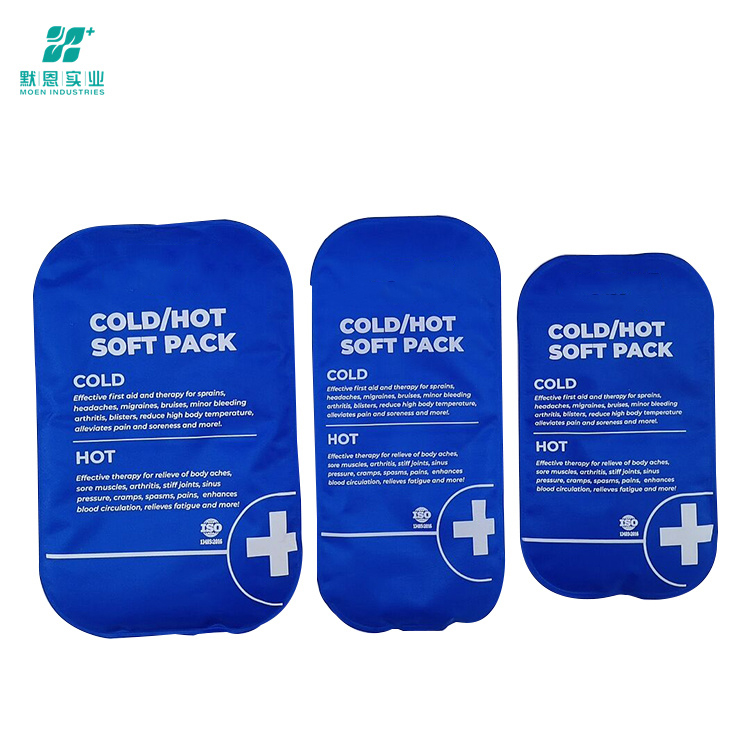
Doğru terapötik soğutma çözümünü bulmak, hem etkinliği hem de kullanıcı deneyimini doğrudan etkileyen çok sayıda faktörün dikkatle değerlendirilmesini gerektirir. Modern tekrar kullanılabilir jel buz torbaları, tıbbi merkezlerde, spor takımlarında ve evde sağlık hizmeti uygulamalarında yaralanma tedavisi ve iyileşme protokollerini kökten değiştirmiştir. Üstün ürünleri temel alternatiflerden ayıran temel özelliklerin anlaşılması, sağlık hizmeti sağlayıcıları ve hastalar için hem optimal terapötik sonuçlar hem de uzun vadeli değer sağlamayı garanti eder.
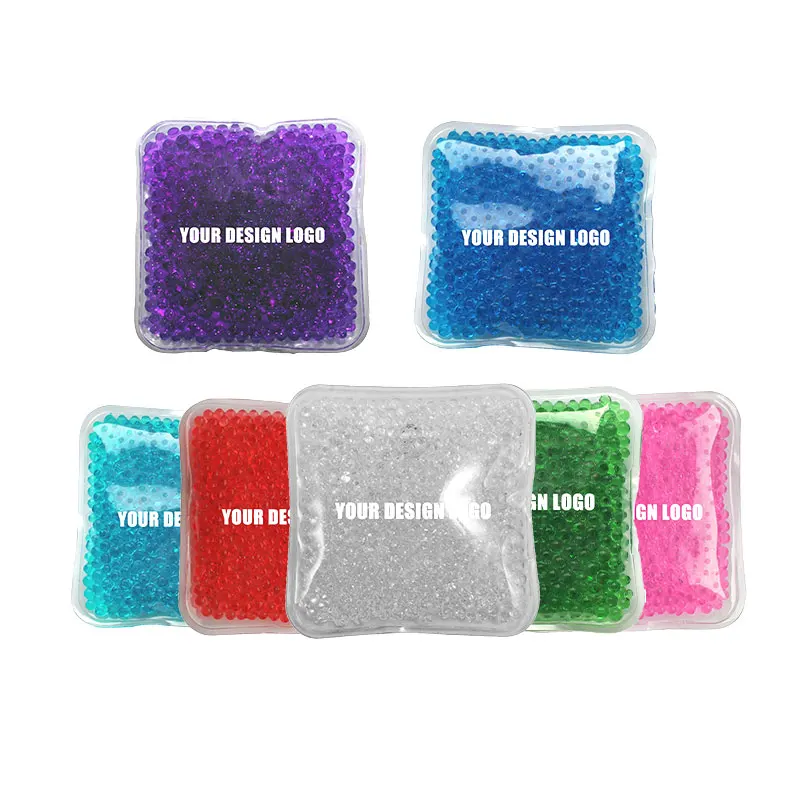
Profesyonel sınıf, tekrar kullanılabilir jel buz çantaları, tekrarlayan donma-erime döngüleri boyunca yapısal bütünlüğünü korurken tutarlı sıcaklık kontrolü sağlar. Seçim süreci, malzeme bileşimi, termal performans özellikleri ve uzun süreli tedavi seansları sırasında hastanın konforunu artıran ergonomik tasarım özelliklerinin değerlendirilmesini içerir. Sağlık profesyonelleri, soğukluk süresini veya termal verimliliği zedelemeksizin sıfırın altı sıcaklıklarda esnekliğini koruyan gelişmiş jel formülasyonlarına giderek daha fazla güvenmektedir.
Malzeme Yapısı ve Dayanıklılık Standartları
Dış Kabuk Malzemesi Özellikleri
Premium yeniden kullanılabilir jel buz torbalarının dış malzemesi, klinik uygulamalardaki hem dayanıklılığını hem de güvenliğini belirler. Tıbbi sınıf vinil ve poliüretan malzemeler, aşırı sıcaklık aralıklarında esnekliklerini korurken delinmelere, yırtılmalara ve kimyasal bozunmaya dirençlidir. Bu gelişmiş polimerler, doğrudan cilt teması uygulamaları için sağlık hizmetleri güvenlik standartlarına ve biyouyumluluk gereksinimlerine uygunluklarını sağlamak amacıyla titizlikle test edilir.
Geliştirilmiş dikiş yapısı, jel sızıntısını önler ve ağır kullanım koşullarında bile yapısal bütünlüğü korur. Çift mühürlü kenarlar ve ultrasonik kaynak teknikleri, iç jel matrisini etkilemeden tekrarlayan sıkıştırma ve genişleme döngülerine dayanabilen kalıcı bağlar oluşturur. Kalite odaklı üreticiler, hastaların konforu için gerekli dokunsal özellikleri korurken delinmeye karşı direnci artıran çok katmanlı yapı yöntemleri uygular.
İç Jel Bileşimi Analizi
Profesyonel, tekrar kullanılabilir jöleli buz torbalarında kullanılan gelişmiş jöle formülasyonları, termal iletkenliği ve ısı tutma özelliklerini optimize eden özel polimer karışımları içerir. Bu özel bileşenler, tedavi sıcaklıklarında tutarlı bir viskozite sağlarken, uygulama sırasında rahatsız edici basınç noktalarına neden olabilecek kristalleşmeyi önler. Toksik olmayan ve aşındırıcı olmayan jöle kompozisyonları, kazara temas hâlinde veya kapın delinmesi durumunda dahi hastanın güvenliğini garanti eder.
Yüksek kaliteli jöle matrislerinin moleküler yapısı, sıcaklığın paketin tüm yüzeyine eşit şekilde dağılmasını sağlar ve tedavinin etkinliğini azaltabilecek sıcak noktaları ortadan kaldırır. Stabilizatör maddeler, jölenin ayrılmasını engeller ve binlerce donma-çözünme döngüsü boyunca homojen kıvamını korur; böylece ürünün kullanım ömrü boyunca güvenilir performans sağlanır.
Termal Performans ve Sıcaklık Kontrolü
Soğutma Süresi ve Isı Emme
Tedavi etkinliği, tekrar kullanılabilir jel buz paketlerinin reçete edilen tedavi süreleri boyunca optimum sıcaklıkları koruyabilme yeteneğine büyük ölçüde bağlıdır. Profesyonel kalitedeki ürünler genellikle 50-60 derece Fahrenheit arasındaki terapötik sıcaklıklarda 20-30 dakika boyunca tutarlı soğutma sağlar. Bu sıcaklık aralığı, aşırı soğuğa maruz kalmayla ilişkili doku hasarını önlerken maksimum anti-enflamatuar fayda sağlar.
Isı emme kapasitesi, paketin ilk uygulama sırasında yaralı dokulardan termal enerjiyi ne kadar etkili çekebileceğini belirler. Yüksek performanslı jöle formülasyonları, etkili vazokonstriksiyon ve ağrı giderimi sağlayan kararlı sıcaklık gradyanlarını korurken önemli miktarda ısı enerjisi emebilir. Kaliteli jöle paketlerinin termal kütlesi, yüksek kan akışı ve metabolik aktiviteye sahip bölgelere uygulandığında bile sürdürülen soğutmayı garanti eder.
Çalışma Sıcaklıklarında Esneklik
Terapötik sıcaklıklarda esnekliği korumak, yeniden Kullanılabilir Jöleli Soğuk Kompresler anatomik konturlara uyum sağlamak ve tedavi alanları boyunca eşit temas basıncı sağlamak için. Gelişmiş polimer kimyası, rahatsız sert yüzeyler oluşturabilecek veya termal iletim verimini azaltabilecek jelin sertleşmesini önler. Optimal esneklik, eklemler, eğri yüzeyler ve tedavi seansları sırasında özel pozisyonlama gerektiren bölgeler gibi karmaşık anatomik bölgelerin etkili tedavisini sağlar.
Sıcaklık dirençli esneklik, hastaların reçete edilen tedavi protokollerine uymalarını teşvik eden rahat tedavi deneyimleri sunarak hasta uyumunu da artırır. Yumuşak ve şekle uyum sağlayan paketler, basınç noktalarını azaltır ve uzun süreli uygulama dönemleri boyunca doğal hareketi mümkün kılar; bu özellikle spor yaralanmalarının veya sık soğutma tedavisi gerektiren kronik ağrı durumlarının tedavisinde oldukça önemlidir.
Konfor Özellikleri ve Ergonomik Tasarım
Yüzey Dokusu ve Cilt Temas Özellikleri
Profesyonel, tekrar kullanılabilir jöle buz paketlerinin yüzey özellikleri, tedavi uygulamaları sırasında hastanın konforunu ve tedavi etkinliğini önemli ölçüde etkiler. Pürüzsüz, aşındırıcı olmayan dokular cilt tahrişini önlerken, hareket veya yeniden pozisyonlandırma sırasında kaymayı engelleyen güvenli tutma özelliklerine sahip olur. Gelişmiş yüzey işlemlerinin oluşturduğu mikro-dokular, doğrudan cilt teması için rahat dokunsal özellikler korunurken ısı transferini artırır.
Solunum sağlayan yüzey malzemeleri, uzun süreli tedavi seansları sırasında nem birikimini önleyen ve hijyenik koşulları koruyan hava sirkülasyonuna izin verir. Bu tasarım özellikleri, aynı ekipmanın uygulamalar arasında uygun dezenfeksiyon protokolleriyle birden fazla hasta tarafından kullanıldığı klinik ortamlarda özellikle önemlidir.
Boyut Seçenekleri ve Uygulama Çeşitliliği
Yeniden kullanılabilir jel buz paketlerinde kapsamlı boyut seçenekleri, belirli anatomik bölgelere yönelik tedavi uygulamasına olanak tanırken tedavi kapsamını ve hasta konforunu optimize eder. Standart boyutlar, lokal uygulamalar için küçük 4x6 inçlik birimlerden, sırt, karın veya birden fazla eklem kompleksi gibi geniş alanların aynı anda tedavi edilmesine uygun büyük 11x14 inçlik formatlara kadar değişir.
Belirli vücut bölgelerine uygun olarak tasarlanmış konturlu modeller, optimal temas geometrisi sağlayarak ve termal iletimi zayıflatabilecek hava boşluklarını azaltarak tedavi etkinliğini artırır. Dizler, ayak bilekleri, omuzlar ve servikal bölgeler için özel şekillendirilmiş modeller, tedavi protokolleri sırasında tedavinin terapötik faydalarını maksimize ederken hastanın rahatsızlığını en aza indiren doğru oturma ve pozisyonlanmayı sağlar.
Güvenlik Standartları ve Uyumluluk Gereksinimleri
Tıbbi Cihaz Yönetmelikleri
Profesyonel, tekrar kullanılabilir jel buz torbaları, malzemeleri, üretim süreçleri ve kalite kontrol standartlarını düzenleyen katı tıbbi cihaz yönetmeliklerine uymak zorundadır. FDA onaylı ürünler, biyouyumluluk, termal performans ve klinik kullanım koşullarında yapısal bütünlük açısından kapsamlı testlerden geçer. Bu düzenleme gereksinimleri, üretilen tüm birimlerde tutarlı kalite ve güvenlik standartlarının sağlanmasını garanti eder.
Saygın üreticiler tarafından uygulanan kalite yönetim sistemleri, ham maddelerin, üretim süreçlerinin ve nihai ürün test sonuçlarının kapsamlı belgelendirilmesini içerir. İzlenebilirlik sistemleri, güvenlikle ilgili herhangi bir konuda hızlı müdahale imkânı sağlarken, sürekli iyileştirme girişimlerini ve düzenleme uyumluluğu doğrulamasını destekleyecek ayrıntılı kayıtların tutulmasını sağlar.
Kimyasal Güvenlik ve Toksik Olmama
Tıbbi sınıf taşıyan, tekrar kullanılabilir jel buz paketlerinin iç jel bileşimi, kazara maruz kalma veya kapak arızası durumlarında hasta güvenliğini korumak için katı olmayan toksisite standartlarını karşılamalıdır. Özel jel formülasyonları, tesadüfi cilt teması için güvenliği doğrulamak ve tıbbi cihazlar için uluslararası güvenlik standartlarına uygunluğunu sağlamak amacıyla kapsamlı toksikolojik testlere tabi tutulur.
Kimyasal kararlılık testleri, jel bileşenlerinin ürünün tam kullanım ömrü boyunca inert ve tepkime vermeyen kalmasını doğrular; böylece zararlı yan ürünlerin oluşmasına veya kapak bütünlüğünün bozulmasına neden olabilecek bir bozulma önlenir. Bu güvenlik önlemleri, özellikle savunmasız hasta grupları için ek önlemler alınması gereken pediatrik uygulamalarda son derece kritiktir.
Bakım ve Dayanıklılık Dikkatleri
Temizlik ve Dezonfeksiyon Protokolleri
Yeniden kullanılabilir jöle buz paketleri için etkili dezenfeksiyon prosedürleri, yapısal bütünlüğü veya terapötik performansı bozmadan tıbbi sınıf dezenfektanlara tekrarlanan maruziyete dayanabilen malzemeler ve tasarımlar gerektirir. Gözeneksiz yüzeyler, bakteriyel büyümenin önlenmesini sağlarken, alkol bazlı çözeltiler ve dördüncül amonyum bileşikleri de dahil olmak üzere standart hastane dezenfeksiyon protokolleriyle kapsamlı temizlik yapılmasına olanak tanır.
Dikişsiz yapı, patojenlerin birikebileceği çatlakları ortadan kaldırarak temizlik işlemlerini kolaylaştırır ve hasta kullanım aralıklarında tam dezenfeksiyonun sağlanmasını garanti eder. Kimyasal direnç testleri, temizlik maddelerine tekrarlanan maruziyetin malzeme özelliklerini tehlikeye atmamasını veya mikroorganizmaları barındırabilecek ya da terapötik etkinliği azaltabilecek yüzey bozulmalarına neden olmamasını doğrular.
Depolama ve Taşıma Gereksinimleri
Yeniden kullanılabilir jel buz torbalarının kullanım ömrünü maksimize etmek ve hizmet ömürleri boyunca tutarlı terapotik performanslarını korumak için uygun depolama koşulları gereklidir. Dondurucu ortamında depolama ile oda sıcaklığında uygulamalar arasında gerçekleşen sıcaklık değişimleri, termal strese dayanabilen ve binlerce donma-çözülme döngüsü boyunca sızıntı oluşmadan yapısal bütünlüğünü koruyabilen malzemeler gerektirir.
Uygun depolama kapları, jel buz torbalarını delinme hasarlarından korurken klinik ortamlarda verimli düzenleme ve envanter yönetimini de sağlar. Doğru elleçleme prosedürleri, dikiş yerleri ve köşelere aşırı yüklenmeyi önler; bu da ürünün öngörülen kullanım ömrü boyunca güvenilir performans göstermesini ve erken başarısızlığa uğramasını engeller.
Maliyet Etkinliği ve Değer Analizi
Sahiplik Maliyetinin Değerlendirilmesi
Yeniden kullanılabilir jel buz torbalarının gerçek değerini hesaplamak, başlangıç satın alma maliyetleri, işletme giderleri ve tek kullanımlık alternatiflere kıyasla değiştirme sıklığının analiz edilmesini gerektirir. Yüksek kaliteli yeniden kullanılabilir birimler, uzun kullanım ömrü ve sık değiştirme veya ek soğutma ürünleri ihtiyacını azaltan tutarlı performans sayesinde genellikle üstün maliyet etkinliği sağlar.
Güvenilir yeniden kullanılabilir jel buz torbalarından kaynaklanan işletme verimliliği kazançları arasında stok yönetimi yükünün azalması, tek kullanımlık ürün atıklarının ortadan kalkması ve klinik sonuç ölçümlerini destekleyen hasta memnuniyet puanlarının artırılması yer alır. Bu faktörler, terapötik bakım ve hasta konforu yüksek standartlarda korunurken genel sağlık hizmeti maliyetlerinin azalmasına katkı sağlar.
Zaman İçinde Performans Tutarlılığı
Uzun vadeli performans istikrarı, tekrar kullanılabilir jel buz paketlerinin tedavi etkinliğini operasyonel ömürleri boyunca korumasını sağlar ve sık sık yenilenmelerini veya ek ürünlerle takviye edilmelerini gerektirmez. Kalite bozulma göstergeleri, sağlık kuruluşlarının paketlerin durumunu izlemesine ve hem hasta bakımını hem de bütçe yönetimini optimize eden yenileme programları uygulamasına olanak tanır.
Tutarlı termal performans, istenen tedavi sonuçlarına ulaşmak için birden fazla paket uygulamasına gerek duyulmasını önler; bu da tedavi süresini kısaltır ve kaynakların verimli kullanımını artırır. Güvenilir ürünler aynı zamanda kritik tedavi müdahaleleri sırasında ekipman arızasına bağlı tedavi gecikmeleri veya sonuçların zayıflaması riskini de en aza indirir.
SSS
Profesyonel sınıf tekrar kullanılabilir jel buz paketleri, düzenli klinik kullanımıyla genellikle ne kadar süre dayanır?
Klinik uygulamalar için tasarlanmış yüksek kaliteli tekrar kullanılabilir jel buz paketleri, genellikle sağlık hizmeti ortamlarında günlük düzenli kullanım ile tedavi edici etkinliğini 2-3 yıl boyunca korur. Ömür, kullanım sıklığına, depolama koşullarına ve önerilen kullanım prosedürlerine uyulmasına bağlıdır. Profesyonel sınıf birimler, yapısal bütünlüklerini ve termal özelliklerini korurken binlerce donma-çözülme döngüsü boyunca tutarlı performans göstermelerini sağlamak amacıyla titizlikle test edilir.
Optimal tedavi faydaları için tekrar kullanılabilir jel buz paketleri hangi sıcaklık aralığını korumalıdır?
Tedavi amaçlı tekrar kullanılabilir jel buz paketleri, maksimum anti-enflamatuar fayda sağlamak ve dokuda hasar oluşmasını önlemek amacıyla uygulama sırasında 50-60 Fahrenheit derece (10-15,6 °C) arasında bir sıcaklığı korumalıdır. Bu sıcaklık aralığı, donma yaralanması veya diğer soğukla ilgili yaralanmaları riske atmadan etkili vazokonstriksiyon ve ağrı giderimi sağlar. Kaliteli jel formülasyonları, tipik tedavi seansları boyunca bu sıcaklıkları 20-30 dakika süreyle korur.
Yeniden kullanılabilir jel buz çantaları, hem sıcak hem de soğuk tedavi uygulamaları için güvenle kullanılabilir mi?
Birçok profesyonel yeniden kullanılabilir jel buz çantası, soğuk tedavi amacıyla dondurucuda saklanmak ve sıcak kompres uygulamaları için mikrodalga fırında veya sıcak su ile ısıtmak üzere çift sıcaklık aralığına uygun olarak tasarlanmıştır. Jel formülasyonu ve kaplama malzemeleri, güvenlik ve performans standartlarını korurken her iki uç sıcaklığı da dayanabilecek şekilde özel olarak tasarlanmalıdır. Jel çantalarını ısı tedavisi amacıyla kullanmadan önce her zaman üretici tarafından verilen teknik özelliklere başvurun.
Sağlık kuruluşları, yeniden kullanılabilir jel buz çantaları seçerken hangi güvenlik sertifikalarına dikkat etmelidir?
Sağlık tesisleri, tıbbi cihaz uygulamaları için FDA onaylı yeniden kullanılabilir jel buz paketlerine öncelik vermelidir; ayrıca ürünün ISO 10993 biyouyumluluk standartlarına uygunluğunu gösteren sertifikalar da gereklidir. Ek sertifikalar arasında Avrupa pazarları için CE işareti ve bağımsız laboratuvar testleriyle doğrulanmış toksik olmayan jel formülasyonları yer alabilir. Bu sertifikalar, ürünlerin klinik kullanım için gerekli olan katı güvenlik ve performans gereksinimlerini karşıladığını garanti eder.
İçindekiler Tablosu
- Malzeme Yapısı ve Dayanıklılık Standartları
- Termal Performans ve Sıcaklık Kontrolü
- Konfor Özellikleri ve Ergonomik Tasarım
- Güvenlik Standartları ve Uyumluluk Gereksinimleri
- Bakım ve Dayanıklılık Dikkatleri
- Maliyet Etkinliği ve Değer Analizi
-
SSS
- Profesyonel sınıf tekrar kullanılabilir jel buz paketleri, düzenli klinik kullanımıyla genellikle ne kadar süre dayanır?
- Optimal tedavi faydaları için tekrar kullanılabilir jel buz paketleri hangi sıcaklık aralığını korumalıdır?
- Yeniden kullanılabilir jel buz çantaları, hem sıcak hem de soğuk tedavi uygulamaları için güvenle kullanılabilir mi?
- Sağlık kuruluşları, yeniden kullanılabilir jel buz çantaları seçerken hangi güvenlik sertifikalarına dikkat etmelidir?